

Creamy, silky and gently sweet, semolina porridge is the kind of warm, nostalgic breakfast that comes together in under 20 minutes with just a handful of cupboard staples. Smooth, buttery and endlessly adaptable, it's the bowl you reach for on cold mornings and busy weekdays alike.

Semolina porridge is a quick milk-based breakfast made by simmering fine semolina with milk, a little sugar and a pinch of salt, then finishing it with butter for a velvety texture.
The whole thing takes around 15 minutes from pan to bowl, so it's ideal when you want something homemade without the wait. It's cheap to make, naturally filling, and works with almost any topping you fancy, from fresh berries to honey or a spoonful of jam. Once you get the method right, it becomes one of the easiest comfort breakfasts you can keep on hand.
Jump to:
Ingredients for Semolina Porridge
Semolina – the base of the dish, it thickens into a smooth, creamy porridge while staying soft and silky. Always reach for fine semolina rather than coarse.
Milk – full-fat milk gives the richest, creamiest result. You can swap half for water if you want something lighter, but whole milk makes the best porridge.
Sugar – just a spoonful rounds out the flavour and brings out the natural sweetness of the milk. It's gently sweet, not sugary.
Salt – a small pinch balances everything and lifts the flavour. Don't be tempted to skip it.
Butter – stirred in right at the end, it melts through the warm porridge and gives it a glossy, melt-in-the-mouth finish.
Optional toppings – fresh berries, honey, jam, chopped nuts, syrup or even a few chocolate chunks. These add colour, texture and a little extra interest.

How to Cook Semolina Porridge With Milk
This semolina porridge is super easy to make—but like all great things, it benefits from a bit of attention. Follow my steps and you’ll get perfect results every time.

- Step 1: Pour the milk into a saucepan and add the sugar and a small pinch of salt. Give it a stir and place the pan over medium heat. Bring it almost to the boil, watching for small bubbles around the edge, but don't let it boil over.

- Step 2: Now for the part that matters most. Add the semolina one spoonful at a time, stirring constantly as you go. Take your time here, because adding it all at once is what causes lumps. Even if the mixture looks a little runny at this stage, resist adding more semolina, as it thickens a great deal as it cooks.

- Step 3: Let the porridge cook gently for another 3 to 5 minutes, stirring without stopping. Keep the heat moderate, as too high a flame will catch and burn at the bottom of the pan. You're looking for a smooth, thick and creamy texture.

- Step 4: Turn off the heat, stir in a generous knob of butter, then cover the pan with a lid. Leave it to rest for 5 to 10 minutes. As it sits, the semolina settles, the flavour deepens and the consistency turns just right. Use this time to get your toppings ready, then serve warm.
How to Serve and Store Semolina Porridge
Semolina porridge is best served warm, straight from the pan, with a topping that brings a bit of colour and contrast. Fresh berries and a drizzle of honey are my go-to, but it takes well to almost anything. Try a swirl of jam with toasted almonds, banana slices with maple syrup, a dusting of cinnamon sugar, a spoonful of berry compote, or a scatter of chocolate chips for a treat.
Leftovers keep well in an airtight container in the fridge for up to 3 days. To reheat, add a splash of milk and a small knob of butter, then warm gently in the microwave for about a minute. Stir, add a little more milk if it needs loosening, and heat again for another minute until it's back to its original creaminess.
More Easy Breakfast Recipes You Might Enjoy
If you like a warm, comforting bowl in the morning, here are a few more recipes worth a look.
- For another nostalgic grain-based breakfast, try my pumpkin millet porridge — a naturally sweet, golden porridge made cosy with soft pumpkin.
- If you're after something with a bit more bite, this Russian millet porridge is creamy, filling and full of old-fashioned charm.
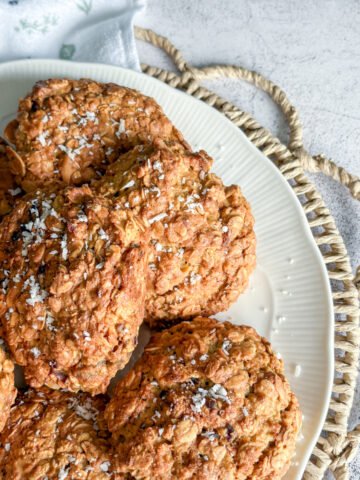
- When you fancy something fruity and lighter, these healthy oatmeal cookies with dates make a lovely grab-and-go breakfast.
- For a savoury start to the day, my budget breakfast burritos with bacon and veggies are hearty, cheap and easy to batch.
- And if you've got leftover rice to use up, this budget breakfast dirty rice turns it into a proper savoury feast.
How Much Does Semolina Porridge Cost to Make Around the World
One of the best things about semolina porridge is how little it costs. The dish leans on milk and a few spoonfuls of semolina, both cheap and easy to find, which makes it one of the most affordable hot breakfasts going.
- In the UK, a 500g bag of fine semolina runs about £1.45 and a litre of whole milk around 95p, so a full pan to serve four works out at roughly £1.30, or about 33p per serving. Pick semolina up in the baking aisle at Tesco, Asda or Sainsbury's.
- In Ireland, semolina costs around €1.79 for 500g in Dunnes or Tesco, with a litre of milk near €1.30, putting a whole batch at about €1.75, or 44c a serving. Eastern European shops like Polonez often carry larger, cheaper bags.
- In the USA, semolina (often labelled semolina flour) is around $2.50 a pound and milk about $1 a litre, so a batch lands near $1.80, or 45c per serving. Look in the baking or international aisle at Walmart or Kroger.
- In Australia, expect about AU$3 for 500g semolina at Coles or Woolworths and AU$1.50 for milk, giving a whole dish near AU$2.60, or roughly 65c a serving.
- In Poland, where semolina (kasza manna) is a breakfast staple, it's especially cheap at around 4 złoty for 500g, with a batch costing barely 6 złoty in total. You'll find it in any local sklep or supermarket like Biedronka.

Tips and Notes for Perfect Semolina Porridge
- Always add the semolina gradually, one spoonful at a time, while stirring without pause. This is the single most important step for a lump-free result. Tipping it all in at once traps dry pockets of grain that never fully soften, leaving you with a clumpy texture. A steady hand here is what separates silky porridge from a disappointing one.
- Resist the urge to add more semolina if the porridge looks thin partway through cooking. Semolina continues absorbing liquid and swelling well after it leaves the heat, so what seems runny in the pan firms up considerably as it rests. Adding extra almost always results in a stiff, gluey porridge. Trust the resting stage to do its work and judge the thickness only once it has stood.
- Keep the heat at a steady medium throughout, never high. Semolina is prone to catching on the base of the pan, and once it scorches, that burnt taste spreads through the whole batch. A moderate flame gives you time to stir and control the texture without rushing. It also means far less scrubbing afterwards.
- Full-fat milk gives the creamiest, most luxurious result, but you can adjust to taste. Half milk and half water makes a lighter porridge that's still perfectly pleasant, and a splash of cream stirred in at the end turns it genuinely indulgent. Avoid skimmed milk if you can, as it tends to taste thin and watery. The fat content carries much of the flavour here.
- The butter at the end is not optional in my kitchen. It melts into the warm porridge and gives it a glossy sheen and a rounded, mellow flavour that water and milk alone can't provide. A generous knob makes a real difference to the finished texture. Stir it through thoroughly so it disperses evenly. Russian people say: "Кашу маслом не испортишь" - "You can't spoil porridge with butter" ("You can never have too much of a good thing).
- Let the porridge rest with the lid on for at least 5 minutes before serving. This pause allows the grains to finish softening and the consistency to settle into something smooth and spoonable. Skipping it leaves the porridge looser and less developed in flavour. It's a small wait that genuinely improves the bowl.
- Salt is easy to overlook in a sweet dish, but a pinch is essential. It sharpens the sweetness and stops the porridge tasting flat or one-note. You won't taste the salt itself, only its effect. Add it at the start with the sugar so it dissolves fully into the milk.
- Prepare your toppings during the resting stage so everything comes together at once. Slicing berries, warming a little jam or chopping nuts while the porridge sits means you serve it at its best, warm and freshly finished. Cold toppings straight from the fridge can cool the porridge down, so let fruit sit out briefly first. A little planning makes the whole breakfast feel effortless.

Semolina Porridge FAQ
Can I use plant-based milk instead of dairy?
Yes, semolina porridge works well with almond, oat or soy milk. Choose an unsweetened version so you stay in control of the final sweetness, then adjust the sugar to taste. Oat milk in particular gives a lovely creamy result that's close to whole dairy milk.
Can I prepare semolina porridge ahead of time?
Absolutely, it stores well and reheats nicely. Make a batch, cool it, then keep it in an airtight container in the fridge for up to 3 days. When you're ready to eat, add a splash of milk and a knob of butter and warm it gently, stirring to bring back its soft, creamy texture.
Why did my porridge turn out lumpy?
This almost always comes down to adding the semolina too quickly or not stirring enough. Add it one spoonful at a time and keep stirring constantly so each addition disperses before the next goes in. If lumps do form, a quick whisk or a blitz with a stick blender can rescue the texture.
Is semolina porridge gluten-free?
No, semolina is made from durum wheat, so it contains gluten and isn't suitable for anyone avoiding it. If you need a gluten-free option, a porridge made from rice flour, cornmeal or fine polenta gives a similar texture. Always check labels carefully if you're cooking for someone with coeliac disease.
What's the best semolina to use for porridge?
Fine semolina is the right choice for a smooth, creamy porridge. Coarse semolina stays grainy and takes longer to soften, which isn't what you want here. You'll often find good fine semolina in Eastern European shops as well as the baking aisle of most supermarkets.
Can I make semolina porridge for a baby?
Semolina porridge is often given to older babies, but make it without added sugar and salt, and use their usual milk. Check the texture is smooth and an appropriate consistency for their stage of weaning. As with any new food, it's worth checking with your health visitor or GP first, especially regarding gluten introduction.
What ratio of semolina to milk should I use?
My reliable ratio is 6 tablespoons of semolina to 1 litre of milk, which makes enough to feed a family of four with a little spare. If you prefer a thicker porridge, nudge the semolina up slightly, and for a looser one, add a touch more milk. Once you've made it a few times, you'll find the consistency that suits you.
Related
Looking for other recipes like this? Try these:
- Easy Pork Mince Patties with Dried Herbs
- Easy White Beans and Bacon in Tomato Sauce (Budget Skillet Recipe)
- Healthy Oatmeal Cookies with Dates for Breakfast
- Budget Breakfast Burritos with Bacon and Veggies



Semolina Porridge

Semolina porridge is a creamy, comforting breakfast made with milk, semolina and butter. This silky, nostalgic dish is quick to prepare, naturally filling, and delicious topped with fresh berries, honey or jam.
Ingredients
- 6 tablespoon fine semolina
- 1 litre whole milk
- 1 tablespoon sugar
- Pinch of salt
- 1 large knob of butter
- Optional toppings: fresh berries, jam, honey, chocolate chunks, nuts, syrup
Instructions
- Pour the milk into a saucepan, add the sugar and a pinch of salt, and stir. Place over medium heat and bring almost to the boil, watching for bubbles around the edge without letting it boil over.
- Add the semolina one spoonful at a time, stirring constantly. Keep stirring until all the semolina is added and fully combined, so no lumps form.
- Cook over medium heat for 3 to 5 minutes, stirring without stopping, until the mixture thickens into a smooth, creamy porridge.
- Remove from the heat, stir in the knob of butter, then cover the pan and leave to rest for 5 to 10 minutes. Top with your favourite additions and serve warm.