

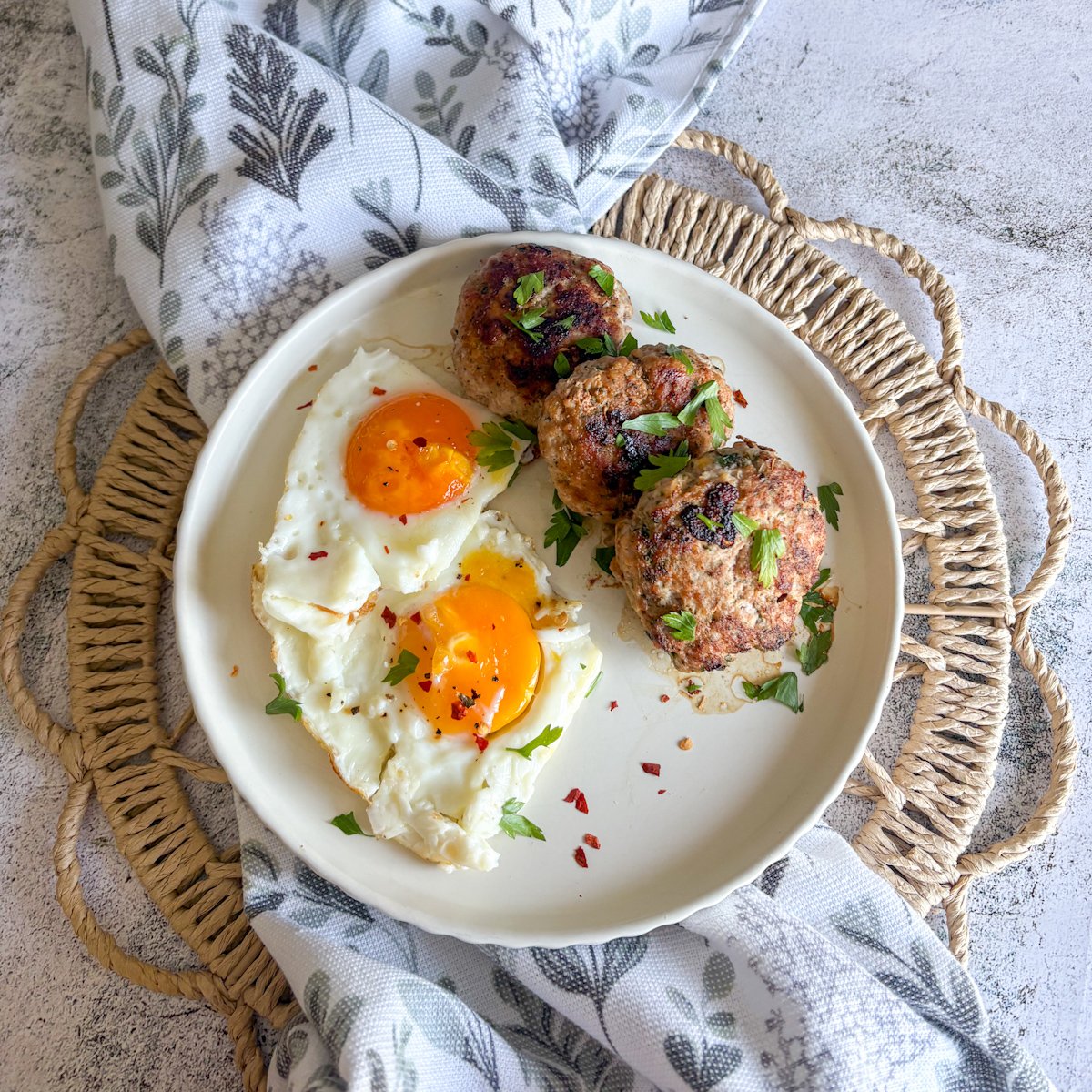
Juicy, herby pork mince patties made with nothing more than store-cupboard seasonings and a pack of minced pork. Golden and crisp at the edges, they come together in minutes and work just as well for breakfast as they do for dinner.

Pork mince patties are the kind of easy, budget-friendly recipe worth keeping on hand for busy weeks. A pack of minced pork is mixed with dried parsley, oregano, marjoram and sage, plus garlic and onion granules, then shaped and pan-fried until golden and cooked through in about ten minutes. There's no chopping, no breadcrumbs and no egg, so the whole thing stays fast and fuss-free. They're cheap to make, freeze well, and reheat in seconds for a quick meal the whole family will eat.
Jump to:
- Ingredients for Easy Pork Mince Patties
- How to Make Pork Mince Patties
- How to Serve and Store Pork Mince Patties
- More Easy Recipes You Might Enjoy
- How Much Do Pork Mince Patties Cost to Make Around the World
- Tips and Notes for the Best Pork Mince Patties
- Pork Mince Patties FAQ
- Related
- Pairing
- Easy Pork Mince Patties Recipe
Ingredients for Easy Pork Mince Patties
- Pork mince – the base of the patties; a standard pack gives you enough for a batch, and a little fat in the mince keeps them juicy.
- Dried parsley – brings a mild, fresh herb note that lifts the pork without overpowering it.
- Dried oregano – adds a warm, savoury depth that pairs naturally with pork.
- Marjoram – softer and sweeter than oregano, it rounds out the herb mix.
- Sage – the classic partner for pork, earthy and slightly peppery, and the herb that makes these taste like a proper sausage patty.
- Garlic granules – give a steady savoury background; the coarser granules hold up to frying better than fine powder.
- Onion granules – add gentle sweetness and savour without the moisture of fresh onion.
- Salt – seasons the mince all the way through; a good pinch makes all the difference.
- Black pepper – a little warmth and mild heat to balance the herbs.
- Chilli flakes – optional, but a small pinch gives a gentle warmth that suits the sage and marjoram.
- Vegetable oil – any neutral oil with a clean taste, just enough to fry the patties; cooking spray works too if you want fewer calories.
How to Make Pork Mince Patties
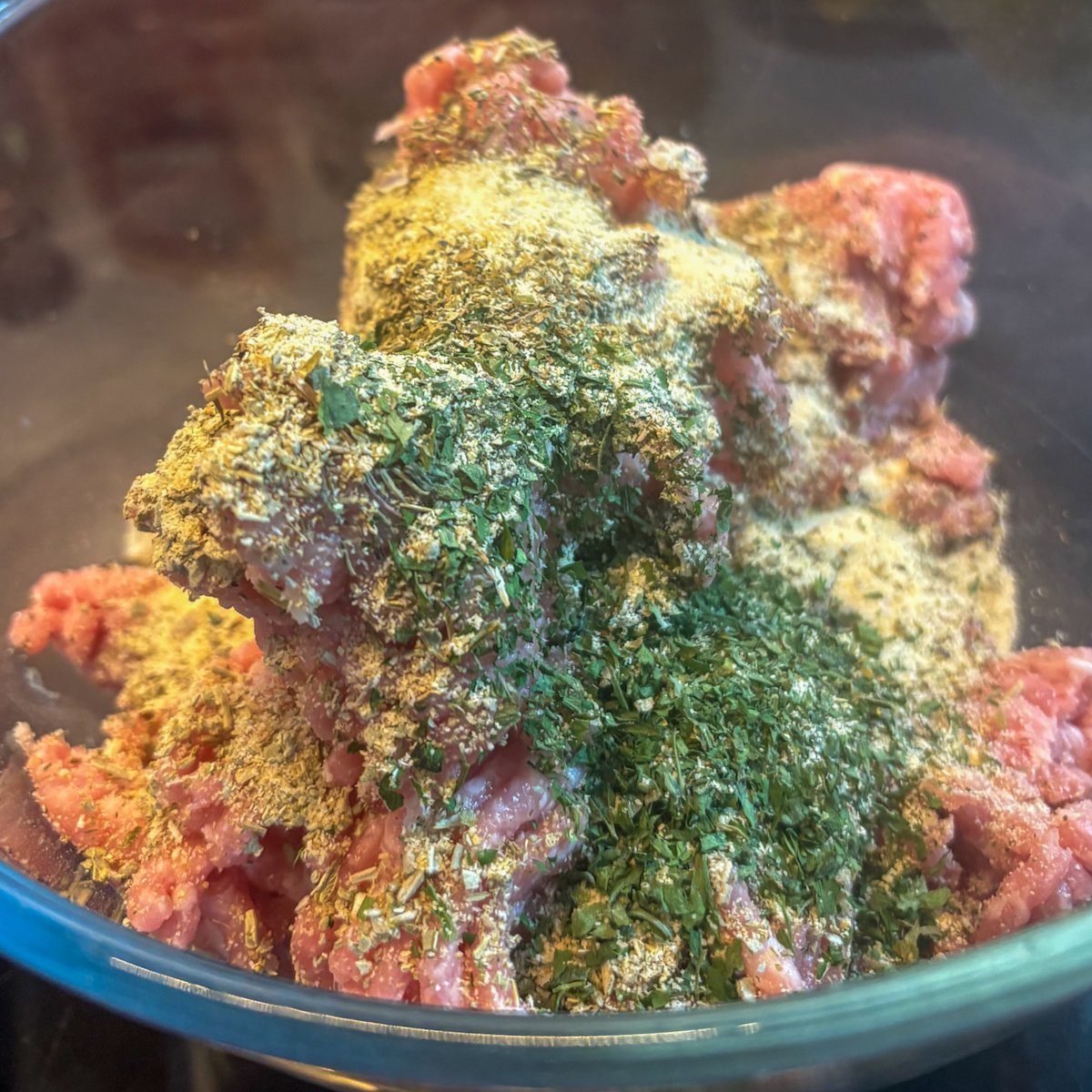
- Step 1: Put the pork mince into a large bowl and add the dried parsley, oregano, marjoram and sage, along with the garlic granules and onion granules, a pinch of salt and a pinch of black pepper, add chilli flakes if using. Mix everything really well until fully combined. The more you work the mixture, the better the flavour and the more the patties hold together.
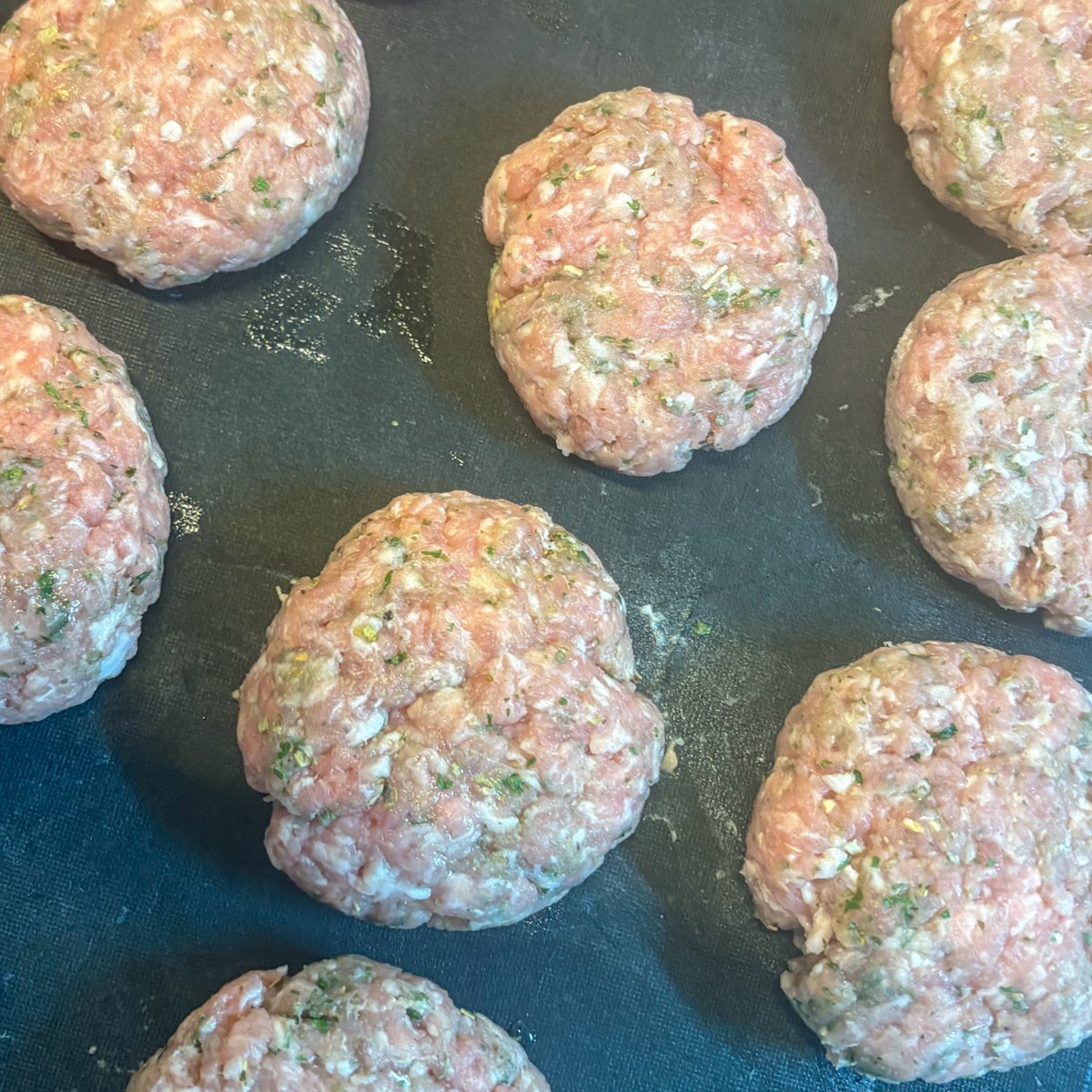
- Step 2: Divide the mixture into equal-sized balls. For 800g of pork mince that's about eight to ten balls. Roll each one well, then flatten it into a nice-looking patty by pressing down with your hand.
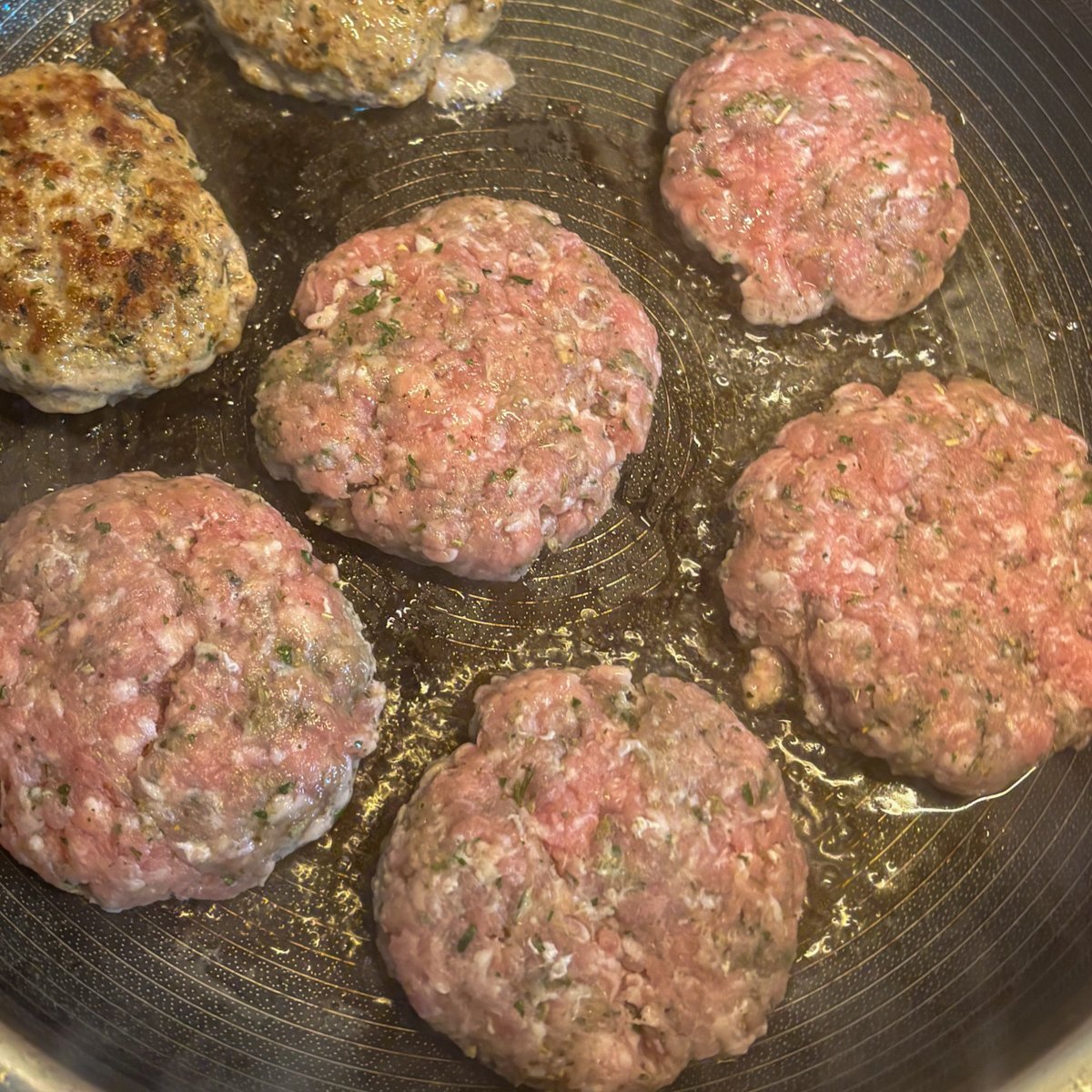
- Step 3: Heat the oil in a large skillet. Don't overcrowd the pan, so use the biggest one you have or cook the patties in batches. Once the oil is hot, arrange the patties in the pan and press each one gently in the middle with a spatula to keep them flat. Just press them once, don't press constantly or they will lose their juices.
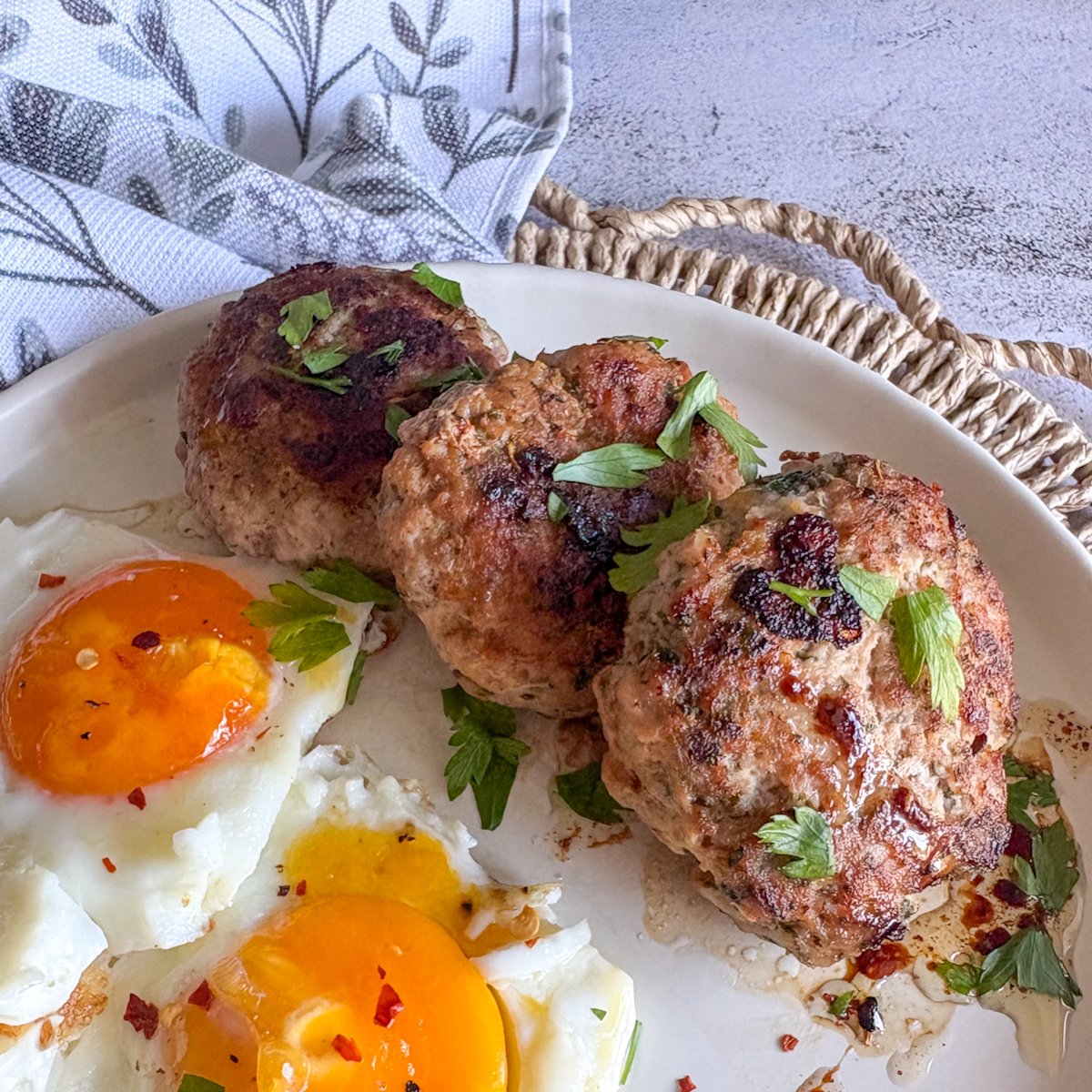
- Step 4: Fry the patties for four to five minutes on each side. Don't rush it, as it's better to give them an extra minute than to leave raw pork inside, but don't overdo it either or they'll dry out. If you have a thermometer, cook until the middle reaches 71°C (160°F). Once cooked, let them rest for five minutes before serving.
How to Serve and Store Pork Mince Patties
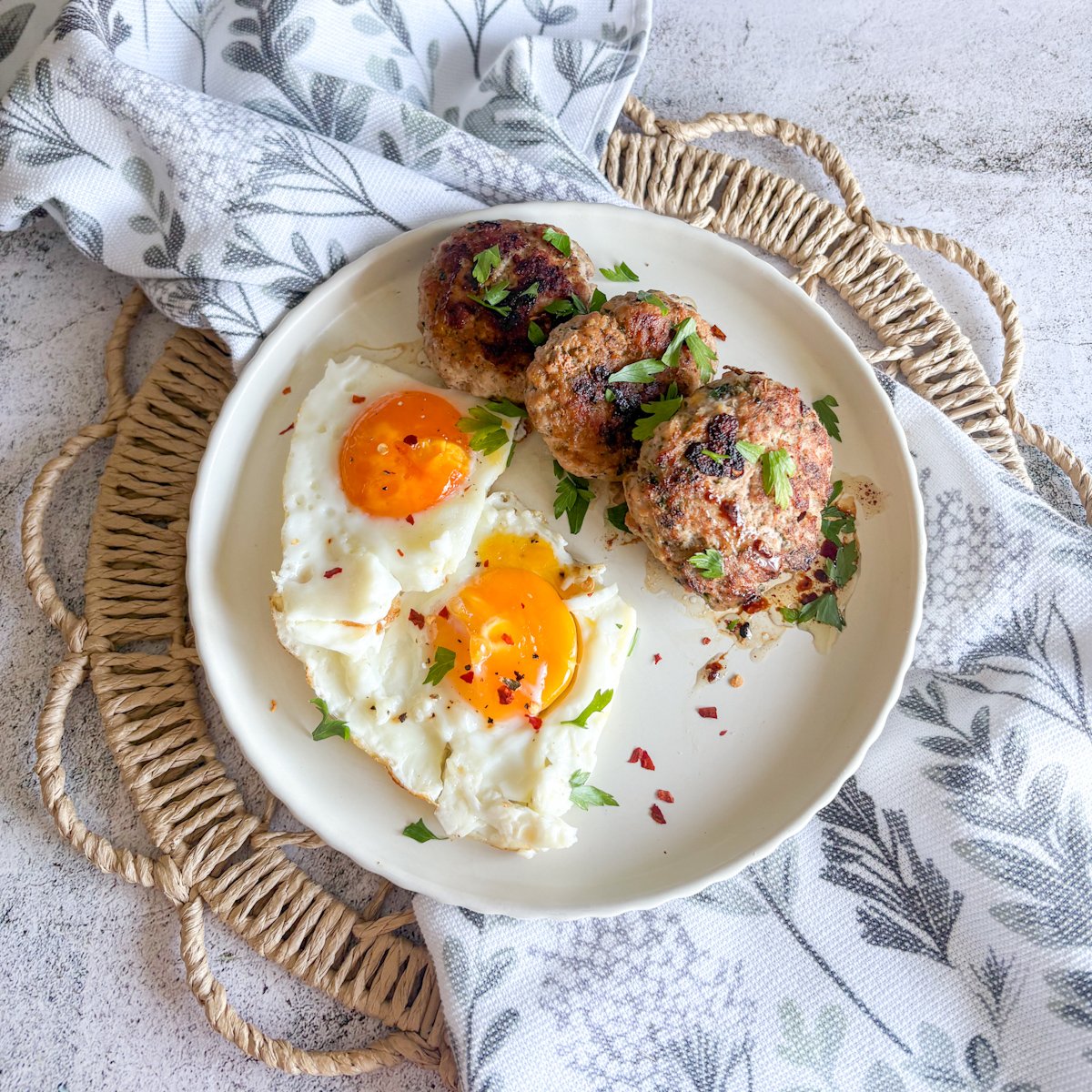
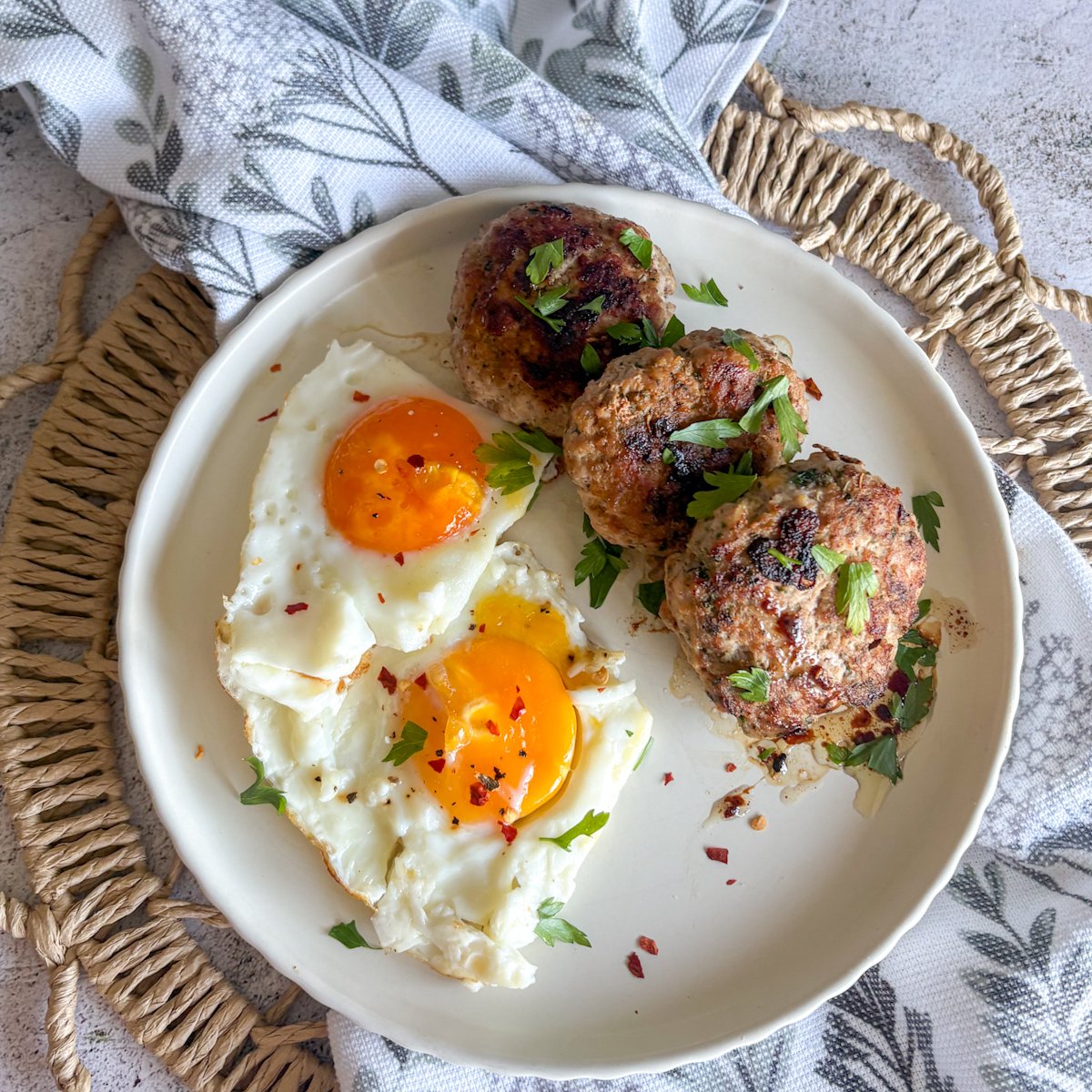
These pork mince patties are genuinely flexible. For breakfast, serve them with a sunny-side-up egg for something filling to start the day. For lunch or dinner, put them alongside rice, buckwheat or pasta, and add a fresh salad or some steamed vegetables to round out the plate.
They're also brilliant for batch cooking. Double the recipe, make a big batch, and you've got easy meals sorted for the week. They're handy for kids too, since after school they can grab one and reheat it in the microwave in about a minute.
To store, let the patties cool completely, then keep them in an airtight container in the fridge for up to three days. To freeze, layer the cooled patties with baking paper between them so they don't stick, and freeze for up to three months. Defrost in the fridge overnight and reheat in a pan or microwave until piping hot right through.
More Easy Recipes You Might Enjoy
If you like quick, budget-friendly meals like these, here are a few more from the blog worth a look.
- For a comforting side that goes beautifully with the patties, try this buckwheat with turkey — a hearty one-pot dish in a creamy mushroom sauce.
- If you're after another easy mince dinner, take a look at these stuffed peppers with minced meat — tender peppers filled with seasoned mince and rice in a creamy tomato sauce.
- For more pork, you'll want this pork and sauerkraut — a rich, slow-cooked classic with tangy sauerkraut and sweet carrots.
- And when you fancy something creamy, this ground turkey mushroom pasta — lean turkey mince and golden mushrooms in a silky sauce — is ready in about thirty minutes.
How Much Do Pork Mince Patties Cost to Make Around the World
Pork mince patties are a proper budget win wherever you cook them. One pack of mince and a handful of dried seasonings you already have in the cupboard is the whole shopping list.
- In the UK, a full batch works out at roughly £3.50–£4.50, or about £1 per serving, with pork mince easy to grab at Tesco, Sainsbury's or Aldi.
- In Ireland, the same batch costs around €4.50–€6 in total, or about €1.30 per serving, with minced pork stocked at Dunnes, SuperValu and Tesco.
- Over in the USA, ground pork is cheap and everywhere, so a whole batch lands at about $5–$7, or roughly $1.50 per serving, with the mince easy to find at Walmart, Target or Kroger.
- In Australia, expect around AUD $8–$11 for the full batch, or about AUD $2.50 per serving, with pork mince sold at Woolworths or Coles.
- And in Poland, where pork is an everyday staple, the batch runs to about 18–25 zł in total, or roughly 5 zł per serving, with minced pork (mielone wieprzowe) found at Biedronka, Lidl or Kaufland.
Wherever you are, these easy pork patties stretch a small budget into a proper family meal.

Tips and Notes for the Best Pork Mince Patties
- Mix the seasoned mince thoroughly before shaping. Working the mixture with your hands or a spoon for a good minute or two helps the salt and herbs spread evenly and starts to draw out the proteins in the pork. That's what binds the patties together without needing egg or breadcrumbs. Undermixed patties tend to crumble in the pan, so don't skip this.
- Fry a tiny test piece before shaping the whole batch. Pinch off a small nugget of the seasoned mince and cook it through in the pan, then taste it. This is the only reliable way to check the salt and herb balance, since you can't taste raw pork. Adjust the seasoning of the rest of the bowl before shaping, and you'll never end up with a bland batch.
- Keep the patties an even thickness. Press each ball down to the same height so they cook at the same rate and finish together. Patties that vary in thickness will leave you with some dry and overdone while others are still raw in the middle. A gentle press in the centre with your spatula once they hit the pan also stops them puffing up into a dome.
- Get the oil properly hot before the patties go in. A pan that isn't hot enough will let the patties sit and steam rather than sear, so you lose that golden, crisp edge. Wait until the oil shimmers, then add the patties and leave them alone for the first few minutes. Moving them too early tears the crust before it has formed.
- Don't overcrowd the skillet. Cooking too many patties at once drops the pan temperature and traps steam, which gives you pale, soft patties instead of browned ones. Leave a little space around each one, and cook in batches if your pan is on the small side. A bigger skillet genuinely makes a difference to the finish.
- Resist pressing the patties flat while they fry. It's tempting to squash them with the spatula, but every press pushes out the juices that keep them moist. The one exception is that single gentle press when they first go in, just to keep them flat. After that, leave them be and let them cook undisturbed.
- Use a thermometer if you have one. Minced pork needs to reach 71°C (160°F) in the centre to be safe, which is higher than a whole cut of pork because mincing spreads any surface bacteria through the meat. A cheap digital probe pushed into the middle of a patty takes the guesswork out completely. If you don't have one, cut one open and check there's no pink and the juices run clear.
- Let the patties rest before serving. Five minutes off the heat lets the juices settle back through the meat instead of running out the moment you cut in. This small pause makes a noticeable difference to how juicy they taste. Rest them on a warm plate loosely covered with foil while you finish any sides.
- Choose mince with a little fat for juicier patties. Very lean pork mince can turn dry once fried, so a standard mince with around 10–15% fat gives a better result. The fat bastes the patties from the inside as they cook and helps them brown. If your mince is very lean, go slightly easier on the cooking time to avoid drying it out.
- Cook these on the grill or barbecue for a different finish. The same mixture works well over medium-high heat on a griddle or barbecue, giving smoky charred edges you don't get in a pan. Oil the grates first so the patties don't stick, and turn them once they release cleanly. Keep the same timing and internal temperature check as you would on the stove.
Pork Mince Patties FAQ
Can I use garlic and onion powder instead of granules?
Yes, both work here since they carry the same flavour, just at a different intensity. Powder is finer and more potent, so use a little less than you would granules, roughly half. Granules are the better pick for frying because the coarser texture holds up to the heat without scorching, but powder is a fine swap if that's what's in the cupboard.
Do I need to add egg or breadcrumbs to bind the patties?
No, and that's part of what makes these so quick. Mixing the mince well develops enough natural stickiness to hold the patties together without any binder. Egg and breadcrumbs are useful for very lean mince or lighter meats, but a standard pork mince binds perfectly well on its own once worked properly.
How do I know when the pork patties are fully cooked?
The surest way is a digital thermometer reading 71°C (160°F) in the centre of a patty. Without one, cook them four to five minutes a side until deeply golden, then cut one open to check there's no pink meat and the juices run clear. Minced pork must be cooked through, so always err on the side of a minute more rather than less.
Can I make these pork mince patties ahead of time?
Absolutely, and they're ideal for it. You can shape the raw patties, cover them and keep them in the fridge for up to a day before frying, which actually helps the flavours settle. Cooked patties also keep for three days in the fridge and reheat well, so they suit batch cooking and meal prep.
What's the best pork mince to use?
A standard mince with around 10–15% fat gives the juiciest result. Very lean mince can fry up a little dry, while a small amount of fat keeps the patties moist and helps them brown. Any supermarket pork mince works fine, so there's no need to seek out anything special.
Can I freeze pork mince patties?
Yes, they freeze very well either raw or cooked. Layer them with baking paper so they don't stick together, then freeze for up to three months. Defrost in the fridge overnight before cooking raw ones through, or reheating cooked ones until piping hot right the way through.
Why did my patties fall apart in the pan?
The most common reason is undermixing, so the mince never developed enough stickiness to hold. Give the mixture a proper mix next time until it feels tacky and cohesive. Flipping too early can also break them, so wait until the first side is well browned and releases cleanly before turning.
Related
Looking for other recipes like this? Try these:
- Baked Mediterranean Meatballs with Roasted Vegetables Recipe
- How to Cook Pan-Fried Chicken Cutlets with Basil
- Mussel Pasta in Creamy Garlic Butter Sauce
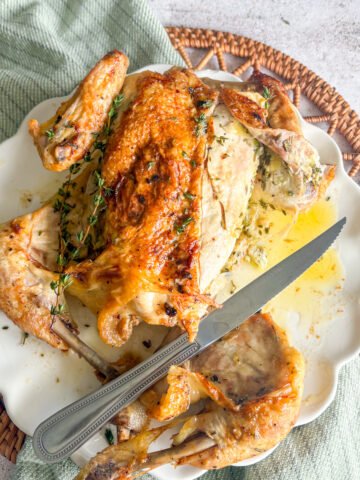
- Herb Butter Roast Chicken with Crispy Golden Skin


Pairing
These are my favourite dishes to serve with pork mince patties:
- Budget-Friendly Pearl Barley with Mushrooms
- Summer Peas with Bacon and Ricotta (Hot or Cold)
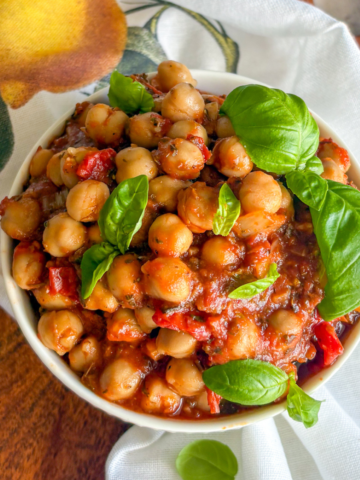
- Easy Chickpeas in Tomato Sauce Recipe (Budget-Friendly Struggle Meal)
- Easy Roasted Turnips Recipe with Herbs and Olive Oil



Easy Pork Mince Patties Recipe

Pork mince patties are a quick, budget-friendly recipe made with minced pork and store-cupboard seasonings. Juicy, herby and golden, they suit breakfast, lunch or dinner and come together in about twenty minutes No egg, no breadcrumbs and no chopping needed.
Ingredients
- 800g pork mince
- 1 teaspoon dried parsley
- 1 teaspoon dried oregano
- 1 teaspoon marjoram
- 1 teaspoon sage
- 1 teaspoon garlic granules
- 1 teaspoon onion granules
- Pinch of salt
- Pinch of black pepper
- Pinch of chilli flakes - optional
- 1–2 tablespoon vegetable oil, for frying (or cooking spray)
Instructions
- Put the pork mince into a large bowl. Add the dried parsley, oregano, marjoram, sage, garlic granules and onion granules, along with a pinch of salt and a pinch of black pepper, add chilli flakes if using. Mix everything really well until fully combined. The more you mix, the better the flavour and the more the patties hold together.
- Divide the mixture into equal-sized balls, about eight to ten for 800g of mince. Roll each one, then flatten into a neat patty by pressing down with your hand.
- Heat the oil in a large skillet over medium-high heat. Don't overcrowd the pan, so use the biggest skillet you have or cook in batches. Once the oil is hot, add the patties and press each one gently in the middle with a spatula to keep it flat.
- Fry for four to five minutes on each side, until golden brown and cooked through to an internal temperature of 71°C (160°F). Don't rush it, but don't overcook them either or they'll dry out. Let the patties rest for five minutes before serving.