
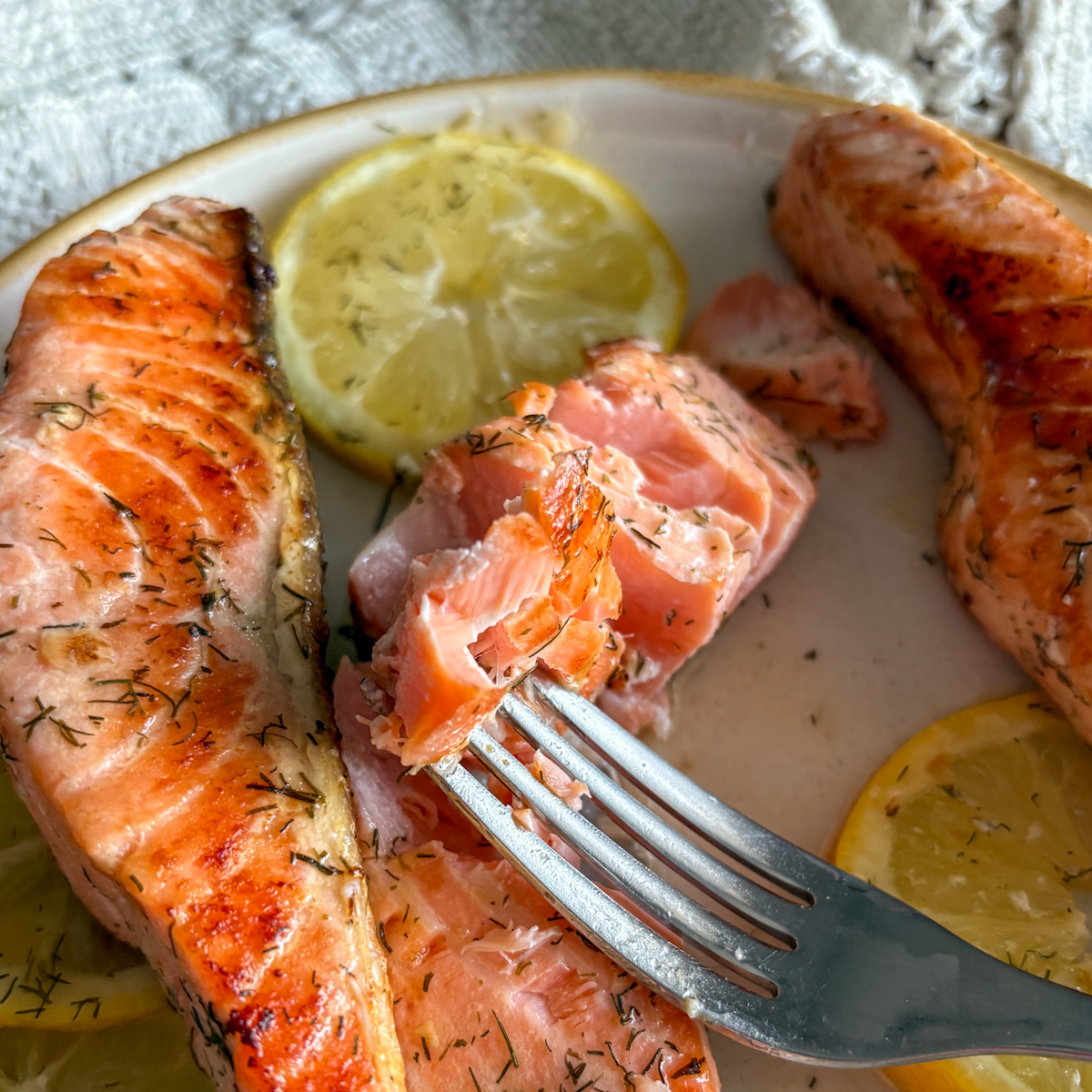
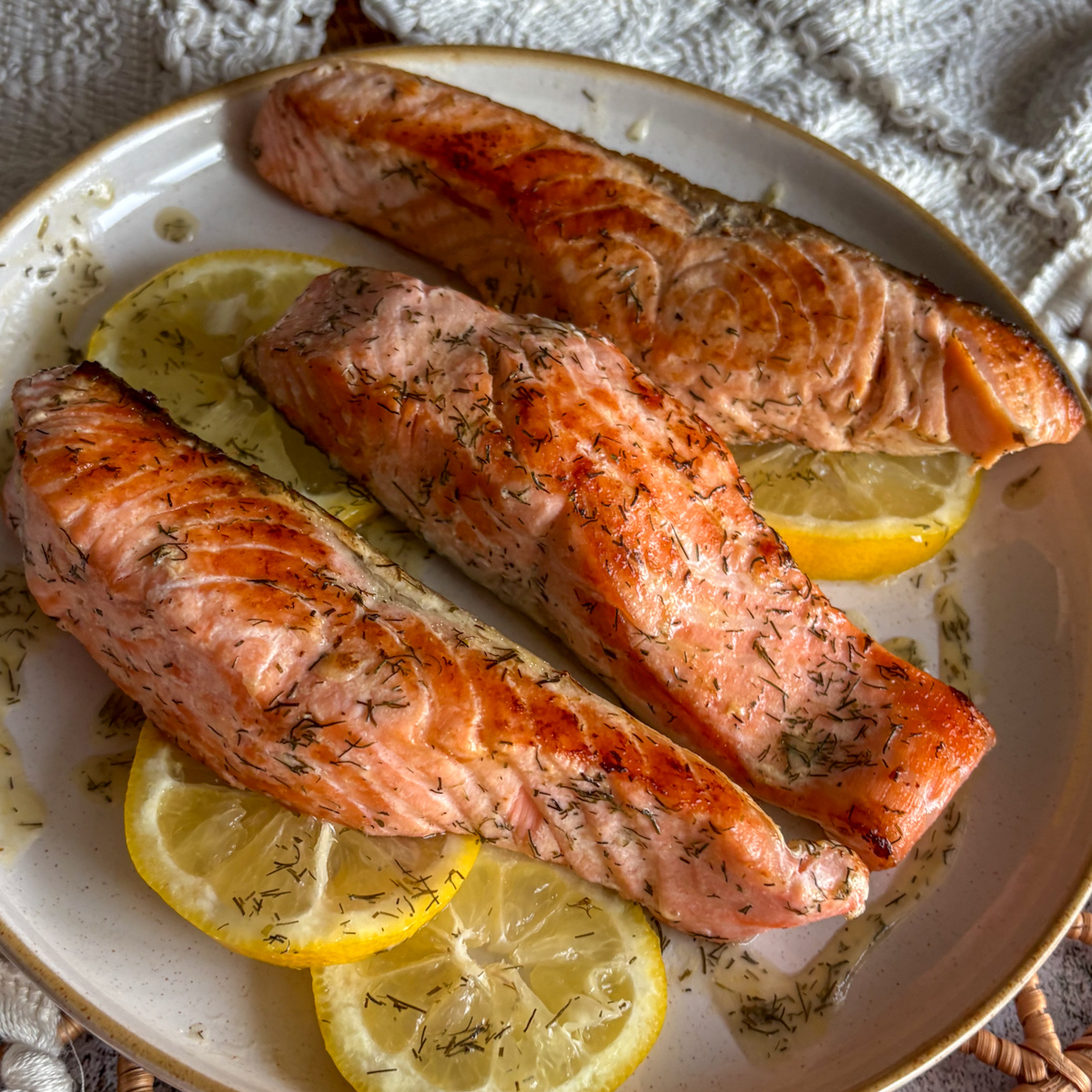
Pan fried salmon with lemon dill butter is the ultimate 10-minute gourmet meal for busy weeknights. This pan fried salmon recipe delivers a perfectly crisp crust and a tender, flaky centre every single time.
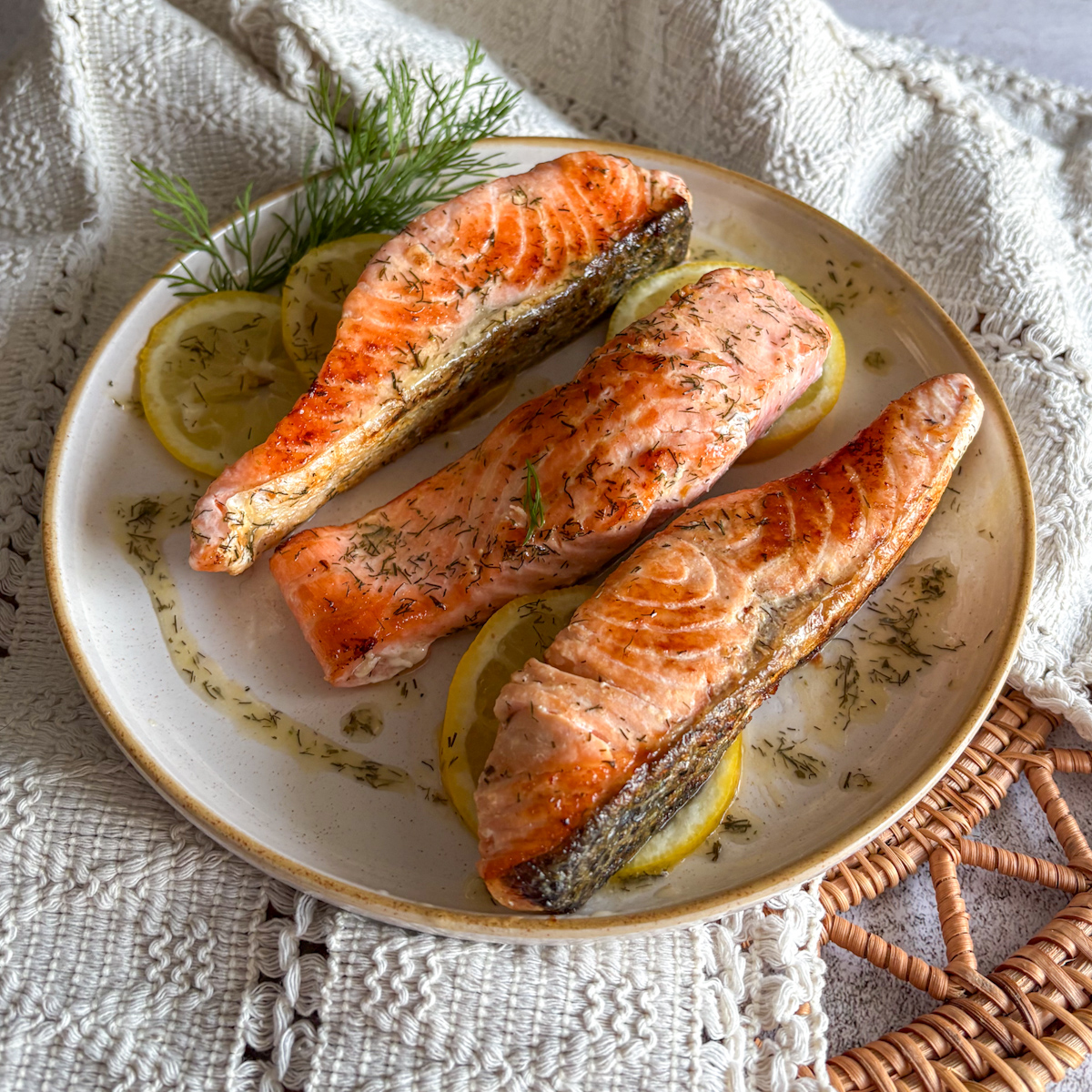
Pan fried salmon is my absolute favourite way to cook fresh fish on the stovetop because it is an effortless cooking method that tastes like a luxury restaurant dish.
Pan fried salmon works beautifully as a healthy lunch option or a fast weeknight dinner, and the method leans into hassle-free cooking without compromising flavour. Think crisp edges, buttery richness, and a fresh citrus notes — it’s also great for meal plan prep when you want something reliable yet exciting.
You can take this base and build on it: add capers for sharpness, swap dill for parsley, or even introduce a touch of chilli flakes for heat. Whether you're browsing straight forward salmon recipes or looking to refine your stovetop technique, this one earns its place.
Jump to:
Ingredients to Cook Pan Fried Salmon
Here is what you need to make pan fried salmon with lemon butter sauce:
- Fresh salmon fillets – the star of this pan fried salmon, offering rich flavour and a tender texture whether you prefer skin on or off.
- Good quality oil (olive, rapeseed, or avocado) – helps achieve that golden crust without overpowering the fish.
- Unsalted butter – forms the base of the lemon butter sauce and adds depth. I am always using the best one - Kerrygold, I am a huge fan of that butter. They dont pay me, but I just like it! And Kerrygold is available in UK and USA.
- Lemon juice – brightens the dish and balances the richness with a clean, citrus edge.
- Garlic – brings warmth and a savoury backbone to the lemony butter.
- Dill (dried or fresh) – essential for that classic pan fried salmon with lemon dill butter flavour.
- Sea salt – enhances every element and sharpens the natural taste of the fish.
- Lemon slices – ideal for serving and adding freshness at the table.
- Parchment paper – prevents sticking and ensures a clean, even cook, especially helpful for delicate fish. I am always frying fish on parchment paper and this method works wonderfully every time. I do not have to worry about stick to the pan fish and fish turns out golden with the crust.
- Equipment: frying pan, microwave-safe bowl, silicone brush, spatula.
If you want to build on the flavour, try adding cracked black pepper, a pinch of paprika, or even a hint of mustard powder. These small tweaks can elevate straight forward salmon recipes without complicating the process.
Instructions
This easy recipe is incredibly simple and ensures your pan fried salmon is ready for the table in less than 10 minutes.
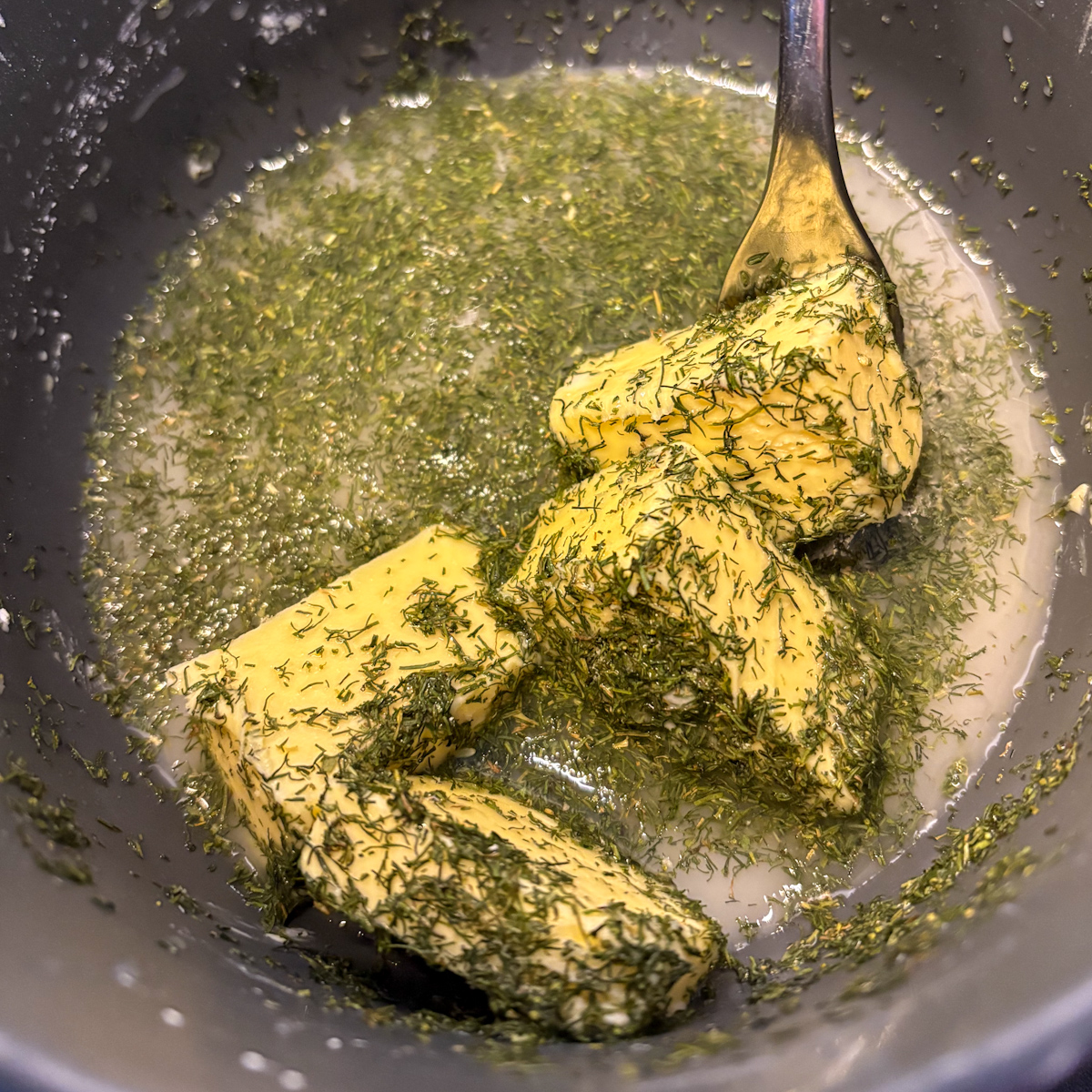
- Step 1: In a microwavable bowl, combine 2 tablespoon of lemon juice, minced garlic, butter knobs, dill, and sea salt. Heat on full power for 1 minute, stir, and heat for another minute until the butter is fully melted and the garlic has infused the liquid.
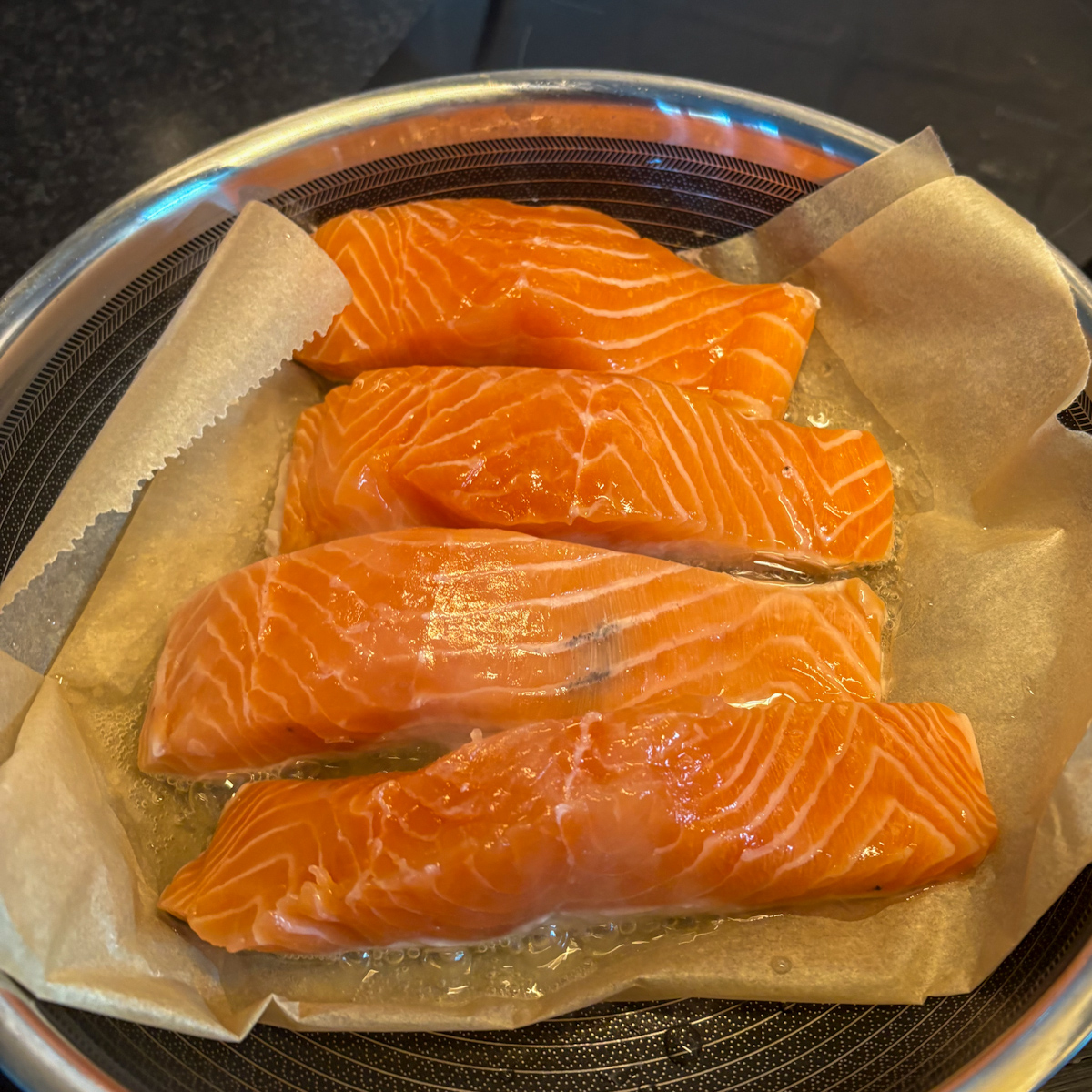
- Step 2: While it is better to let your salmon sit at room temperature for 10 minutes, you can cook it straight from the fridge if needed. Place a square of parchment paper into your frying pan, drizzle with oil, and set the heat to medium-high. Pat the salmon dry and place it onto the oiled parchment.
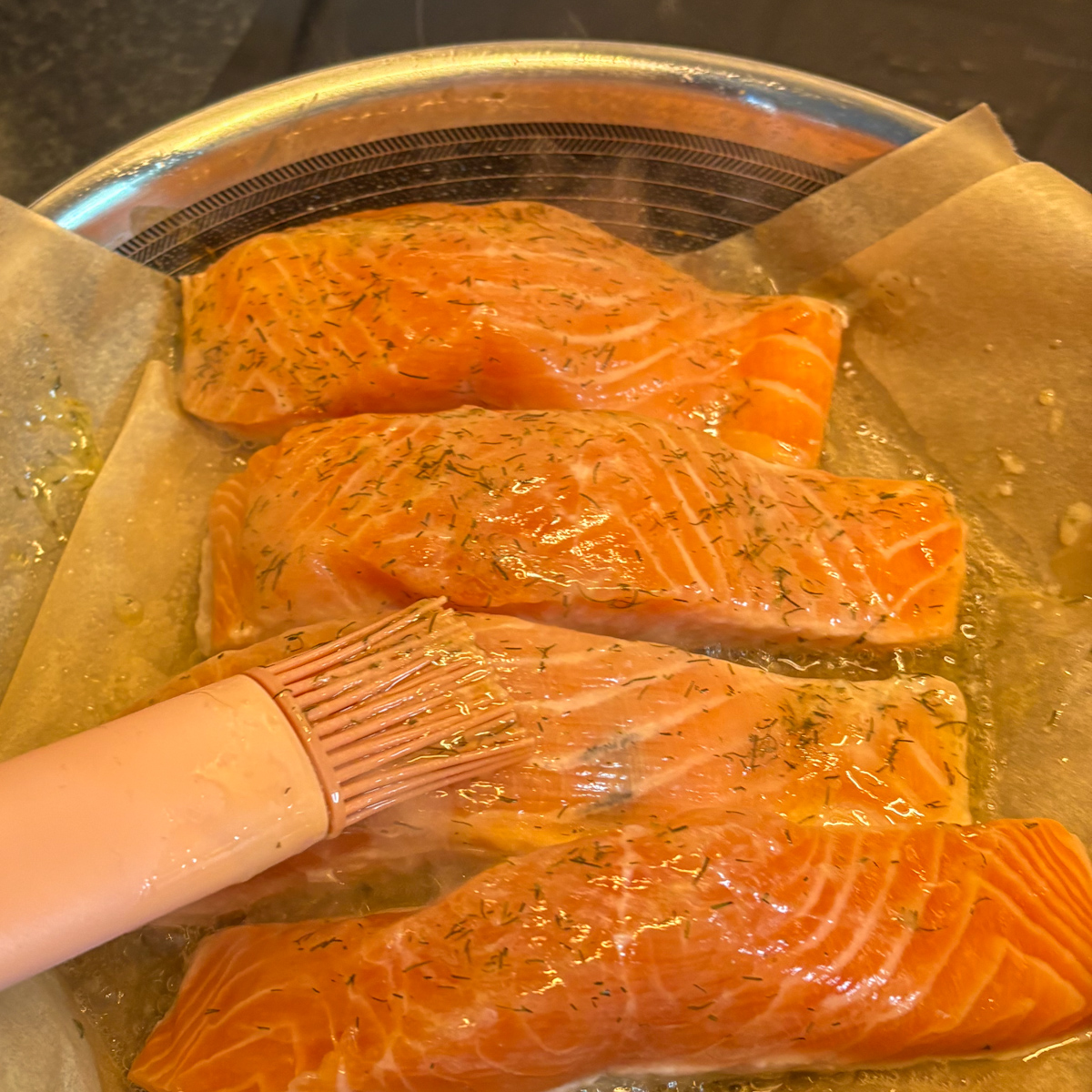
- Step 3: Use a silicone brush to coat each fillet generously with the garlic lemon butter. Fry for 4 minutes on one side without moving it.
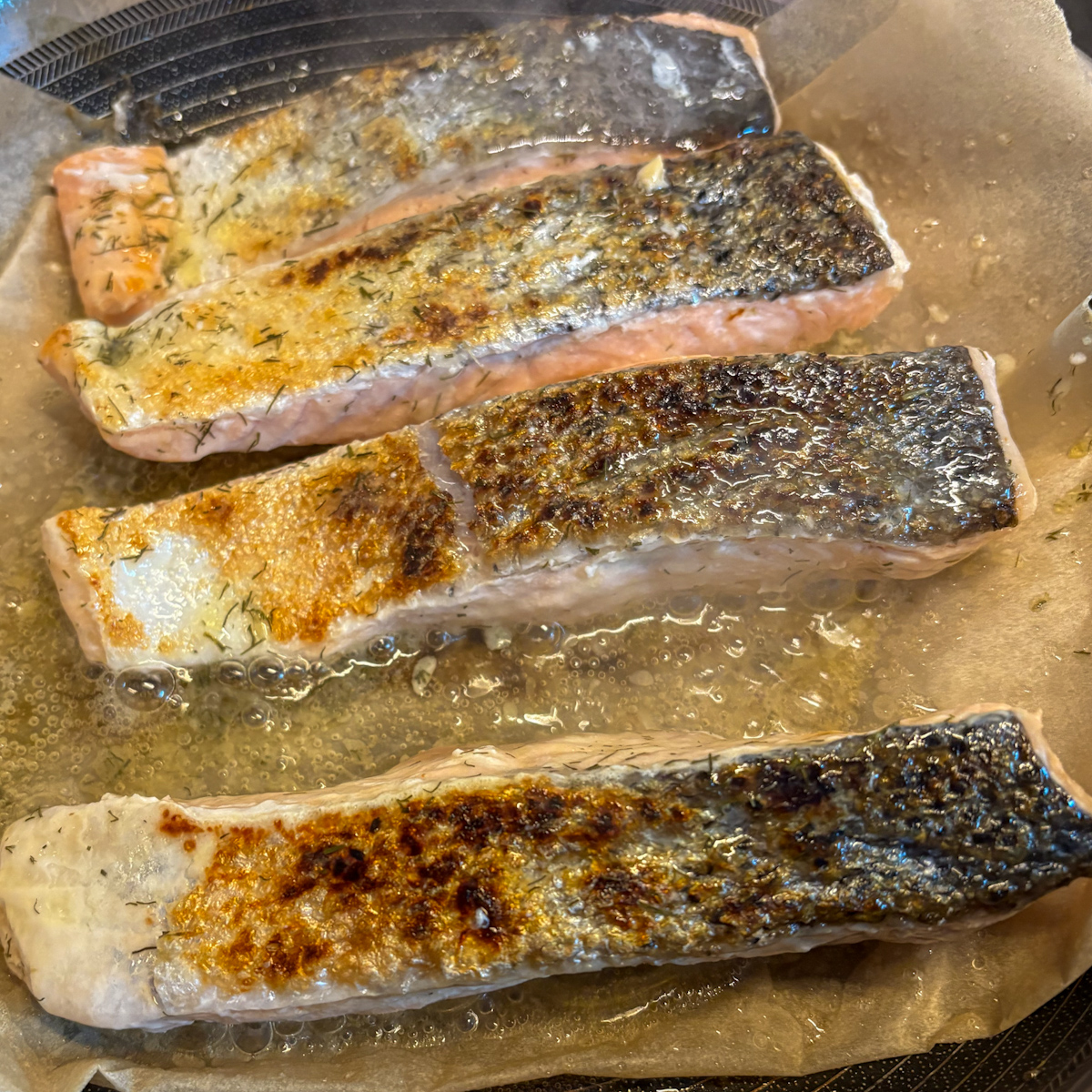
- Step 4: Carefully turn the fillets over and apply another hearty layer of the buttery sauce with your brush. Cook for another 2–3 minutes. Optionally sear the sides briefly for a polished finish, adjusting cooking time slightly.
Cooking tips:
- Always pat the salmon dry before cooking; excess moisture prevents that golden sear.
- Don’t overcrowd the pan; give each piece space so the pan fried salmon develops a proper crust rather than steaming.
How to Serve and How to Store Pan Fried Salmon
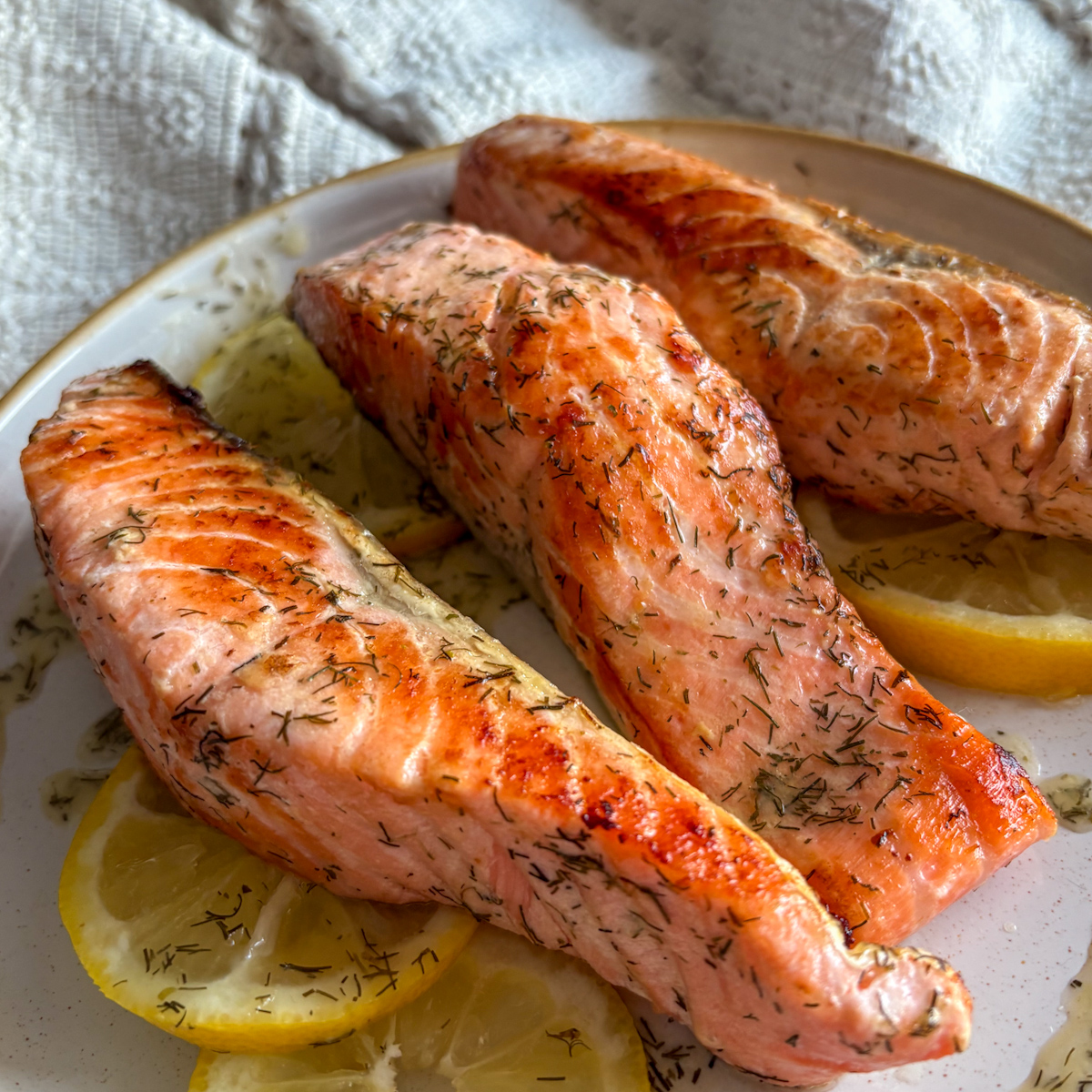
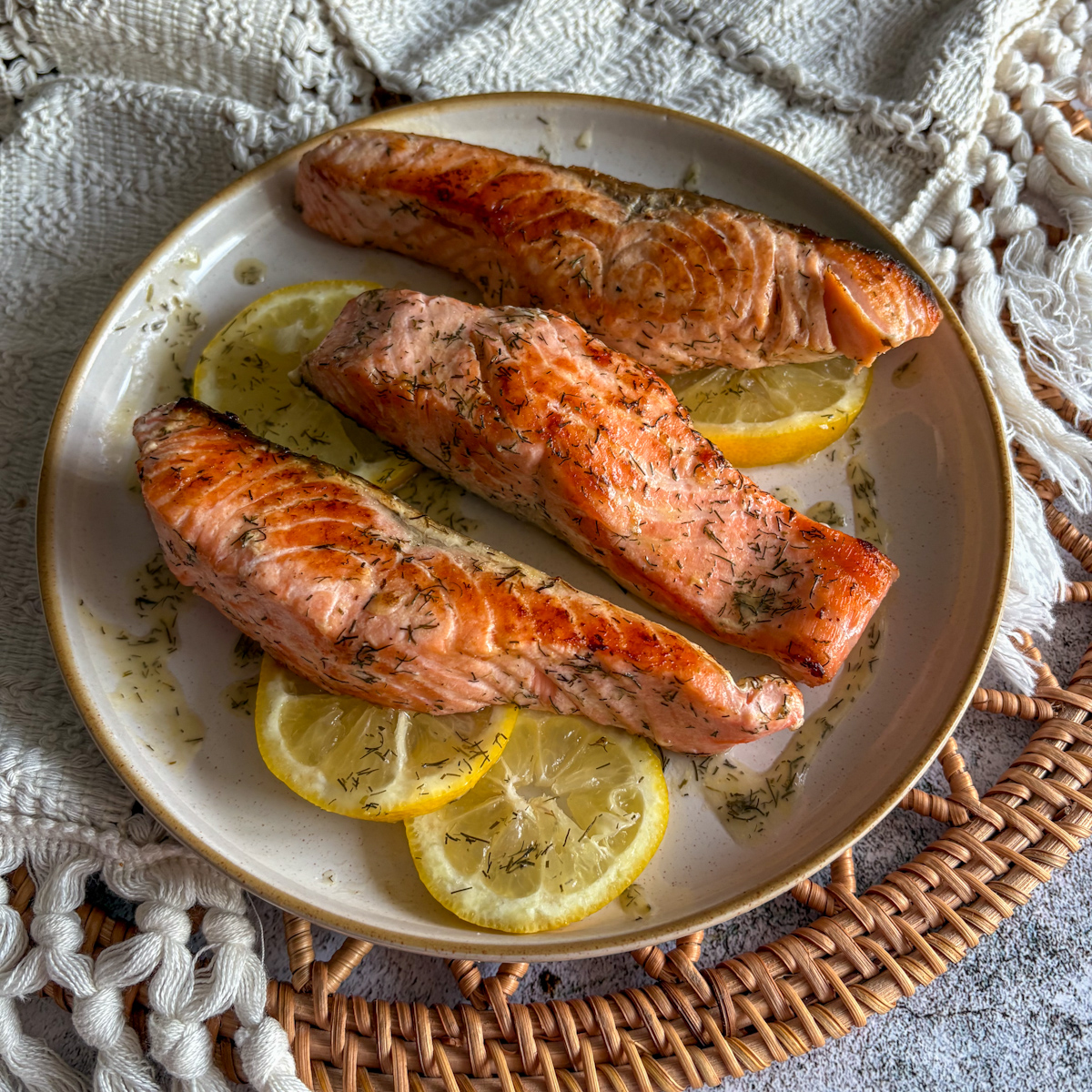
I love serving this pan fried salmon straight from the pan with a simple arugula salad, easy greens, and crusty bread to soak up that lemon butter sauce. It also pairs beautifully with roasted vegetables or a hearty potato dish if you want something more substantial. For a healthy lunch option, flake leftovers over a grain bowl or toss through a fresh salad.
To store, let the salmon cool completely, then refrigerate in an airtight container for up to two days. Reheat gently in a pan over low heat to avoid drying it out, or enjoy it cold as part of a meal plan. The flavours actually settle nicely, making it great for meal prep.
Top Tips to Make Pan Fried Salmon The Best Ever
- Using parchment paper in the pan is a simple trick that completely changes the experience of cooking pan fried salmon. It prevents sticking, reduces the need for excess oil, and keeps the fillets intact when flipping. This is especially useful if you're working with skinless salmon, which can be delicate. It also makes clean-up faster, which matters on busy nights.
- Bringing salmon to room temperature helps it cook more evenly. Cold fish straight from the fridge can seize when it hits the pan, leading to uneven texture. However, if you're short on time, this recipe still works perfectly well without that step. That flexibility is what makes it ideal for easy cooking.
- The lemon butter sauce is where the magic happens. Heating it in stages allows the garlic to infuse properly without burning. This creates a smooth, aromatic lemony butter that coats the salmon beautifully. Skipping this step would mean missing the depth that defines pan fried salmon with lemon dill butter.
- Drying the salmon before cooking is not optional if you want that golden crust. Moisture creates steam, and steam prevents browning. A quick pat with kitchen paper makes a visible difference. It’s one of the simplest upgrades you can apply to straight forward salmon recipes.
- The cooking time is intentionally short. Salmon cooks quickly, and overcooking will make it dry and chalky. Four minutes on the first side builds colour, while the final few minutes finish it gently. This balance keeps the interior tender and flaky.
- Using a silicone brush gives you control over how much sauce goes onto each fillet. It ensures even coverage without disturbing the fish. You also avoid wasting the lemon butter, which is packed with flavour. This small tool makes the process more precise.
- If you cook salmon with skin, keep it on for added texture. The skin crisps up beautifully when cooked on parchment and adds contrast to the soft interior. It also helps hold the fillet together during cooking. Even if you don’t eat the skin, it improves the result.
- Dill plays a key role in balancing the richness of the butter. Whether you use dried or fresh, it adds a light herbal note that keeps the dish from feeling heavy. Fresh dill gives a brighter finish, while dried offers convenience. Both work well depending on what you have.
FAQ
Can I use frozen salmon for this recipe?
Yes, you can certainly use frozen salmon, but you must ensure it is completely thawed and patted dry before you begin the cooking process. Thawing it slowly in the fridge overnight is the best way to maintain the texture of the protein. If the fish is still partially frozen or damp, it will not sear correctly and the texture may become mushy rather than flaky.
Is it necessary to use unsalted butter?
I recommend unsalted butter so that you have total control over the sodium levels in your dish, especially since sea salt is added separately. If you only have salted butter on hand, simply reduce the amount of extra sea salt you add to the microwave bowl to avoid an overly salty sauce. This allows the natural sweetness of the salmon and the brightness of the lemon to remain the stars of the show.
Is this recipe suitable for a Keto or Low-Carb diet?
This dish is naturally very low in carbohydrates and high in healthy fats, making it an excellent choice for Keto or low-carb lifestyles. The combination of protein from the fish and healthy fats from the butter and oil provides a satiating meal without the need for starches. Pair it with leafy greens or cauliflower rice to keep the entire meal within your dietary requirements.
Can I make the lemon butter sauce in advance?
You can certainly prepare the garlic and herb butter sauce a few hours ahead of time and keep it at room temperature. If it solidifies, simply pop it back in the microwave for a few seconds until it reaches a brushable consistency again. This is a great time-saver if you are hosting a dinner party and want to minimise the active prep work while your guests are present.
What oil works best for pan frying salmon?
Use oils with a moderate to high smoke point like rapeseed or avocado oil. Olive oil also works if not overheated. The goal is to support the sear without burning. This ensures consistent results in pan fried salmon.
Related
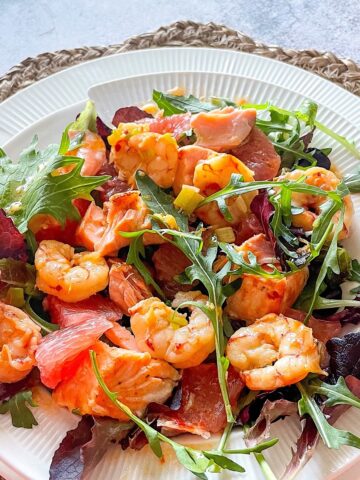
Looking for other recipes like this? Try these:



Pairing
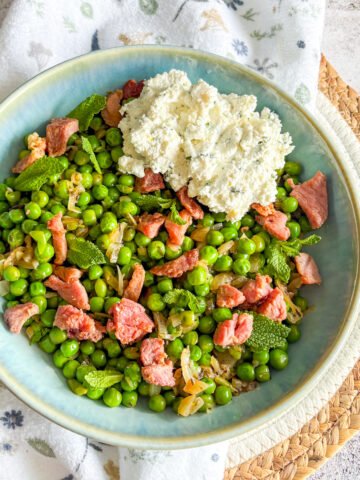
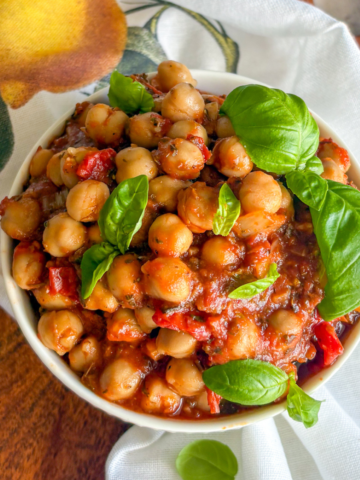
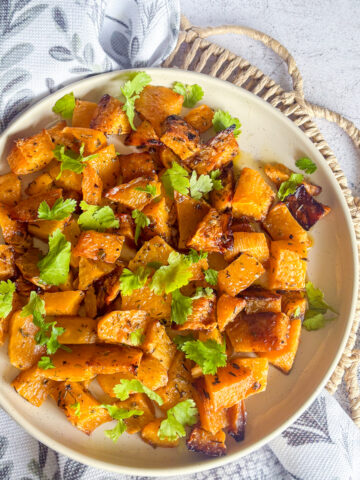
These are my favorite dishes to serve with Pan Fried Salmon:

Pan Fried Salmon with Lemon Butter
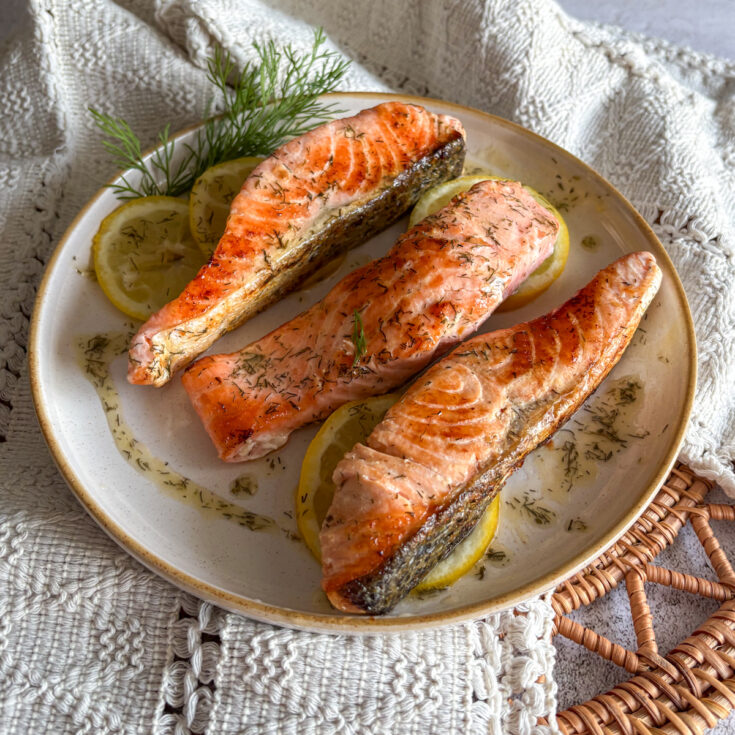
Pan fried salmon with lemon dill butter is a quick, flavour-packed dish with crisp edges and a tender centre. It’s ready in under 10 minutes and perfect for busy days.
Ingredients
- 4 salmon fillets
- 15 ml oil (1 tbsp)
- 60 g unsalted butter - 4 knobs/tbsp
- 30 ml lemon juice (2 tbsp)
- 3 garlic cloves, minced
- 1 tablespoon dried dill, or can use fresh dill
- Sea salt - from the grinder
- Lemon slices for serving
Instructions
- Place lemon juice, minced garlic, butter, dill, and sea salt into a microwave-safe bowl. Heat for 1 minute, stir, then heat for another minute until fully melted and combined.
- Line a frying pan with parchment paper, drizzle with oil, and heat over medium-high heat. Pat the salmon dry with paper towels and place onto the prepared pan.
- Brush the salmon generously with the prepared lemon butter sauce. Cook for 4 minutes without moving the fillets.
- Turn the salmon carefully, brush again with more sauce, and cook for another 2–3 minutes until cooked through. Serve immediately with lemon slices.
Notes
If you have time, removing the salmon from the refrigerator 10 minutes before you start cooking helps it reach room temperature for more even results.
The use of parchment paper is a professional trick that prevents the delicate fish skin from sticking to the pan surface and makes flipping much easier.
Dried dill is used in this recipe for its concentrated flavour and convenience, but you can substitute it with a tablespoon of finely chopped fresh dill if you prefer.
Ensure your garlic is minced very finely so that it releases its juices into the butter quickly during the short microwave bursts.