
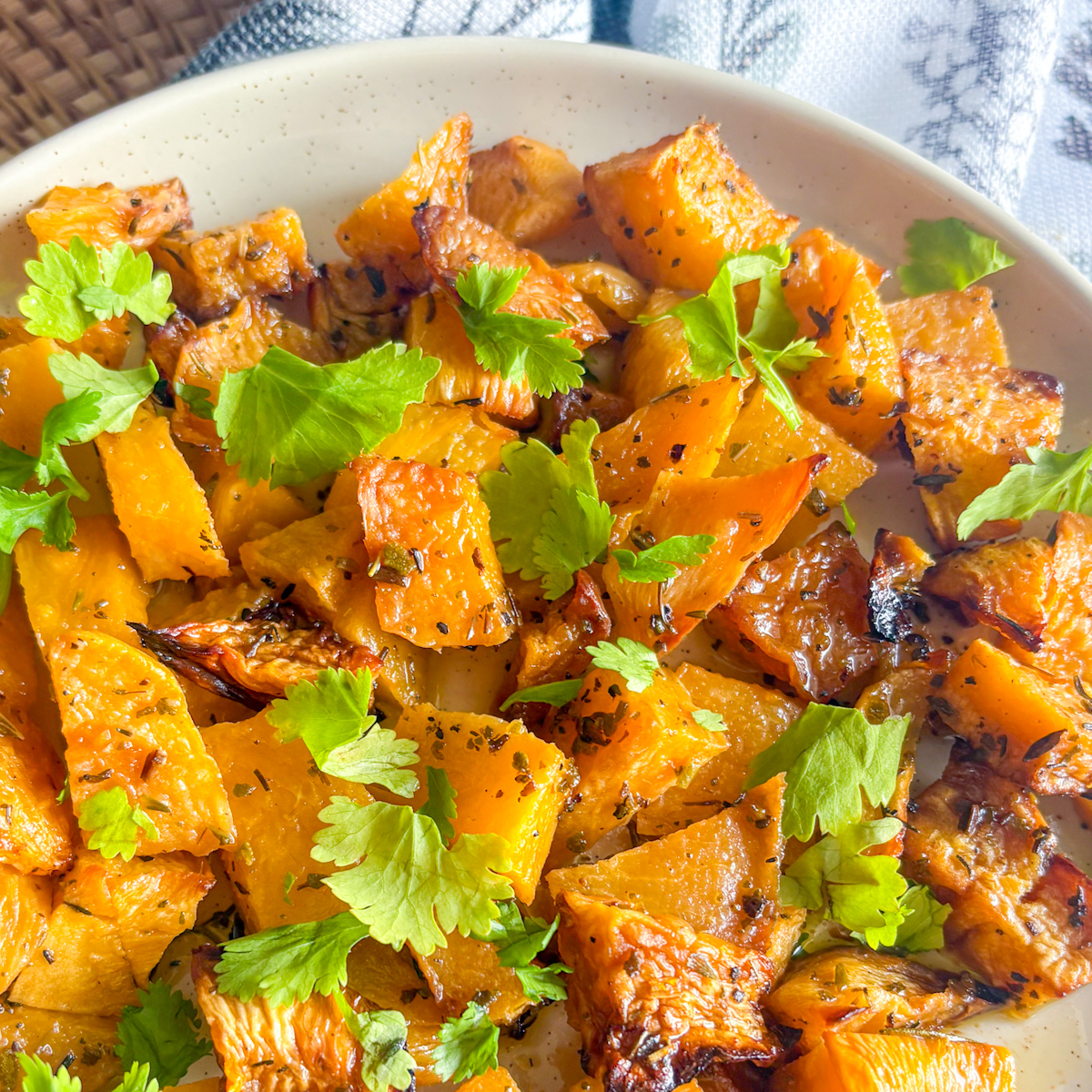
These easy roasted turnips are crispy on the edges, soft and tender inside, and ready in under 45 minutes. A fuss-free, healthy turnip recipe with olive oil, thyme, sage and rosemary that turns one humble root vegetable into a proper side dish.
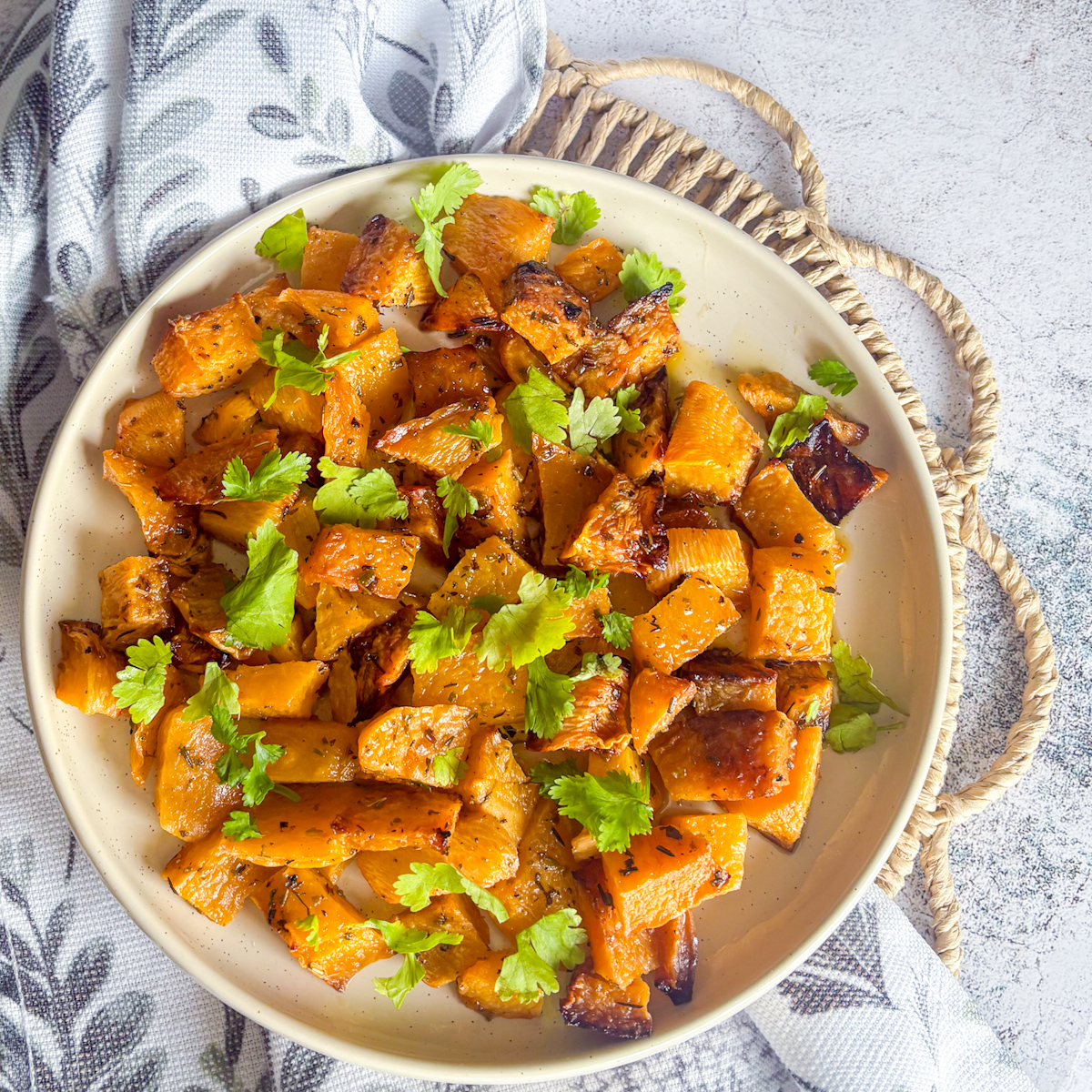
The recipe needs one large turnip, a glug of olive oil and a few dried herbs from the cupboard. That's the whole shopping list. The oven does the rest of the work for you, and around 35 minutes later you have a tray of golden, caramelised pieces with crispy edges and soft, fork-tender middles.
The flavour is mildly sweet, a little peppery and very earthy, which I think is what makes turnips so underrated. They sit between a potato and a swede in taste, and once they roast, they pick up so much depth from the heat. This is a low carb option that works as a side for roast chicken, lamb or beef, but I also eat it on its own with a big spoon of cold sour cream on top. Budget-friendly, simple to prep, and good enough for guests if you serve it nicely.
Jump to:
- Ingredients for Easy Roasted Turnips
- How to Roast Turnips in the Oven — Method
- How to Serve and Store This Healthy Turnip Recipe
- How Much Does It Cost to Make Roasted Turnips? A Quick Price Comparison
- More Easy Roasted Vegetable Recipes You'll Love
- Top Tips and Notes for the Best Oven Roasted Turnips
- FAQ — How to Roast Turnips
- Related
- Pairing
- Easy Roasted Turnips with Herbs
Ingredients for Easy Roasted Turnips
- Large turnip — pick a firm one with smooth skin and no soft patches. A heavy turnip for its size usually means it is fresh and full of moisture, which gives you better texture after roasting.
- Olive oil — gives the turnip its golden crust and helps the herbs stick. Extra virgin works beautifully, but any decent olive oil is fine for roasting.
- Dried thyme — adds a warm, woody note that suits root vegetables really well. Dried thyme also holds up better than fresh under high heat.
- Dried sage — brings a soft, slightly savoury flavour that pairs naturally with thyme and rosemary. A little goes a long way.
- Sea salt — pulls out the natural sweetness of the turnip and seasons the surface as it crisps up.
- Black pepper — freshly ground is best, just a few twists for a gentle kick.
- Fresh rosemary sprigs (optional) — I leave them whole so I can lift them straight off the tray before serving. They give a beautiful fragrance without the loose needles ending up in your dinner.
How to Roast Turnips in the Oven — Method
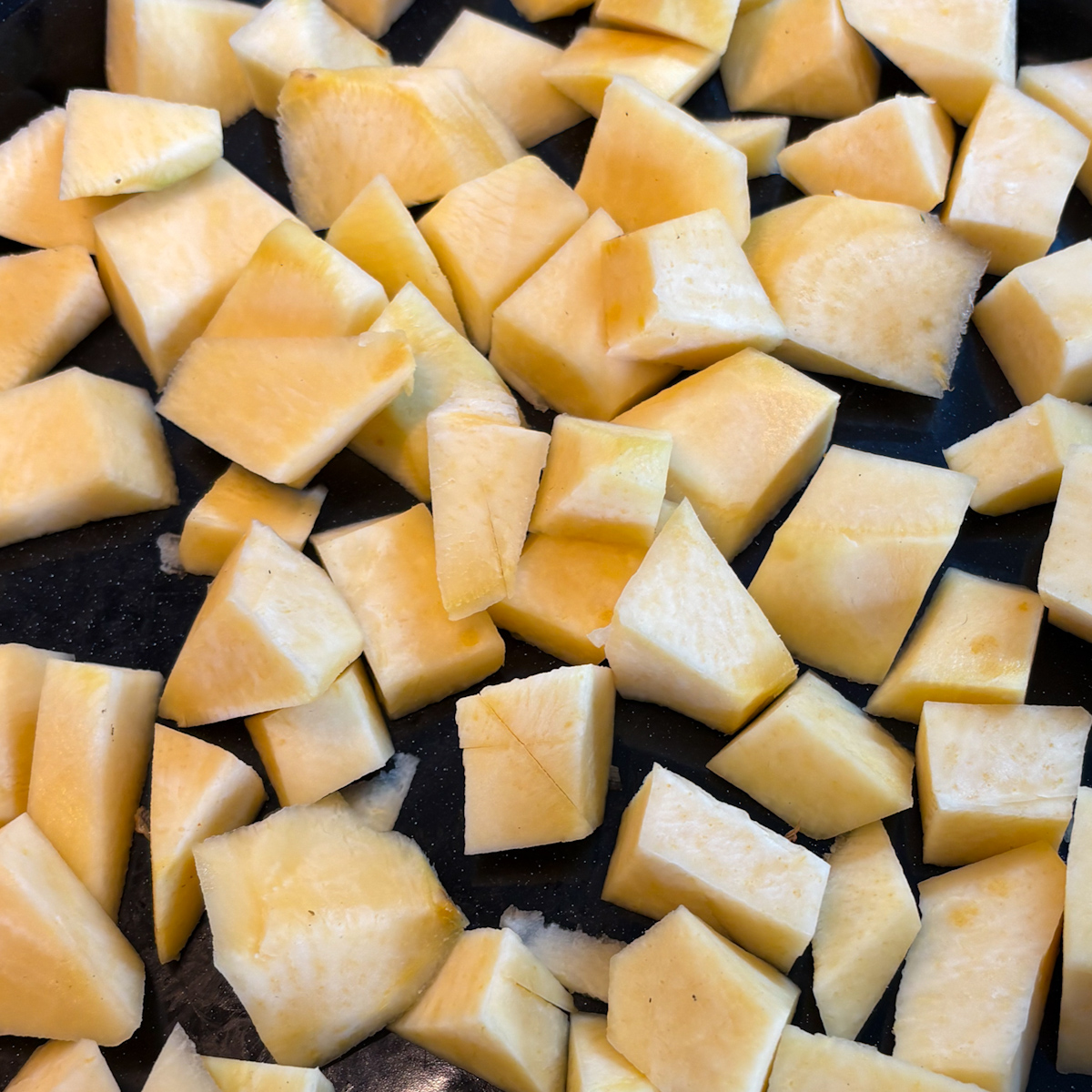
- Step 1: Wash the turnip well, peel off the skin and cut into bite size pieces. Try to keep them roughly the same size so they roast evenly in the oven. If some are much bigger, they will still be hard while the smaller ones are already done.
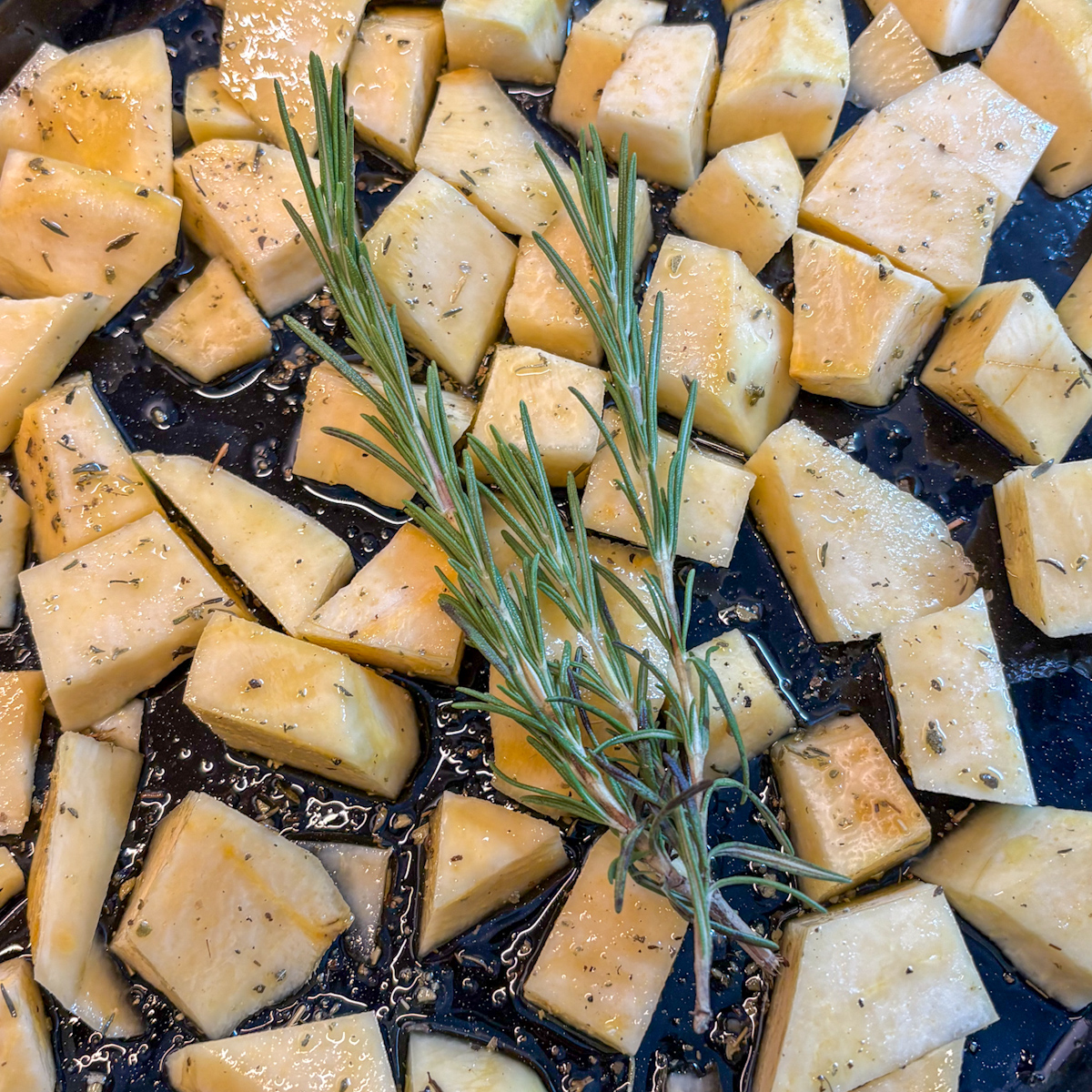
- Step 2: Preheat your oven to 200°C (400°F). Tip the turnip onto a large baking tray, drizzle generously with olive oil, then add the thyme, sage, sea salt and black pepper. Use your hands or a spoon to toss everything well, so every piece is coated in the oil and herbs. Spread the turnip out in a single layer with a bit of space between the pieces. If you want extra fragrance, tuck two whole rosemary sprigs on top — I use whole sprigs because they are easy to lift off before serving, and you avoid those sharp needles in the finished dish. No parchment paper or foil is needed for this one.
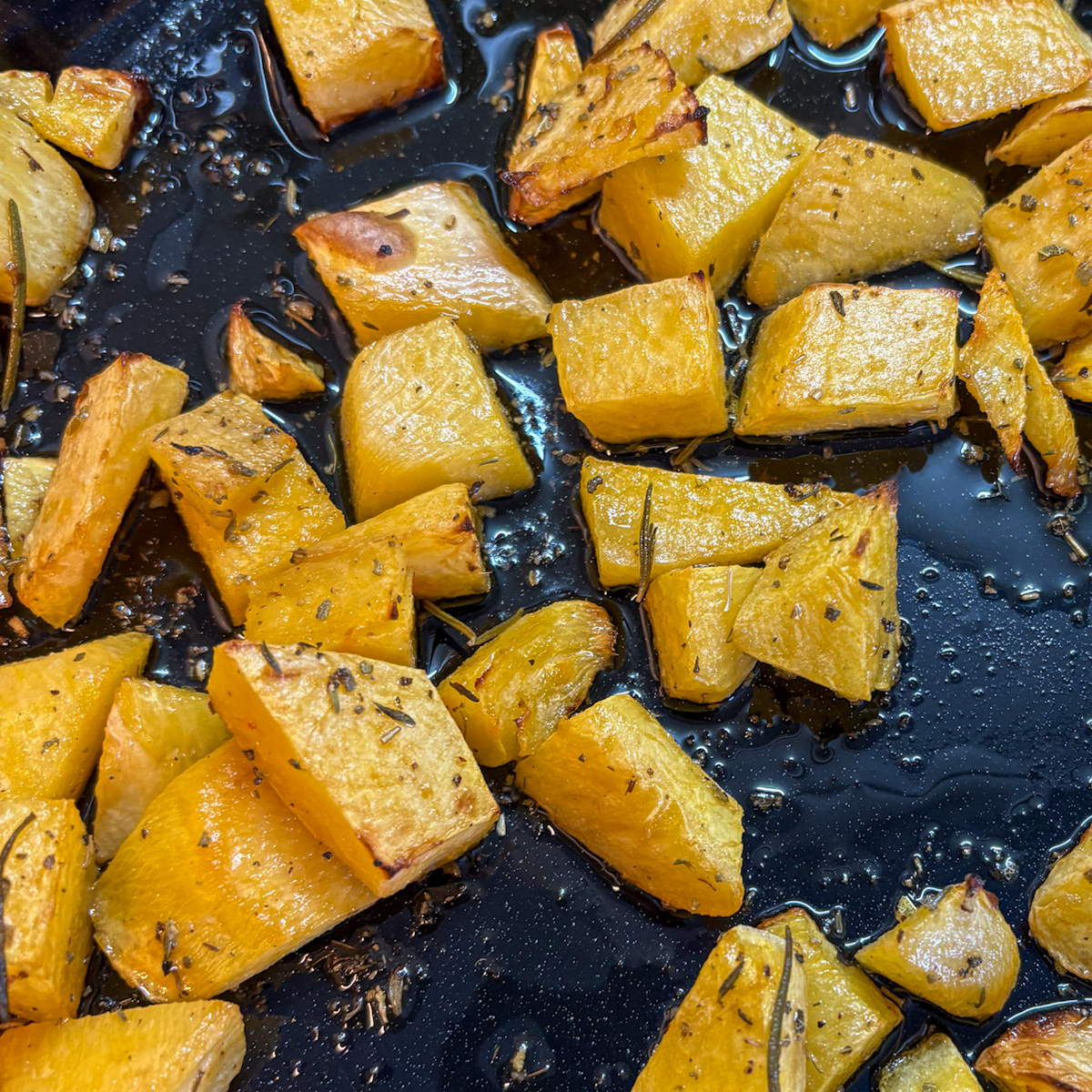
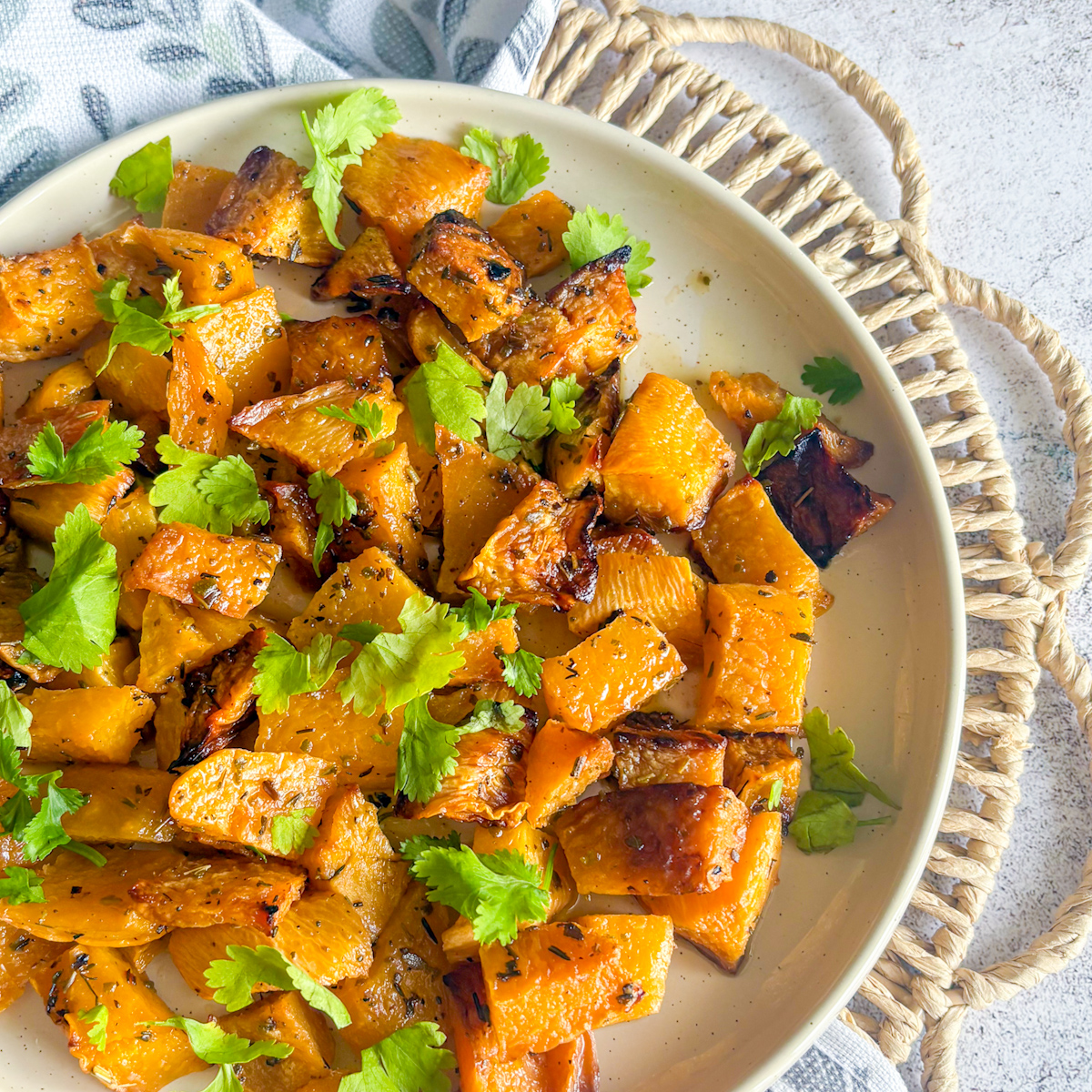
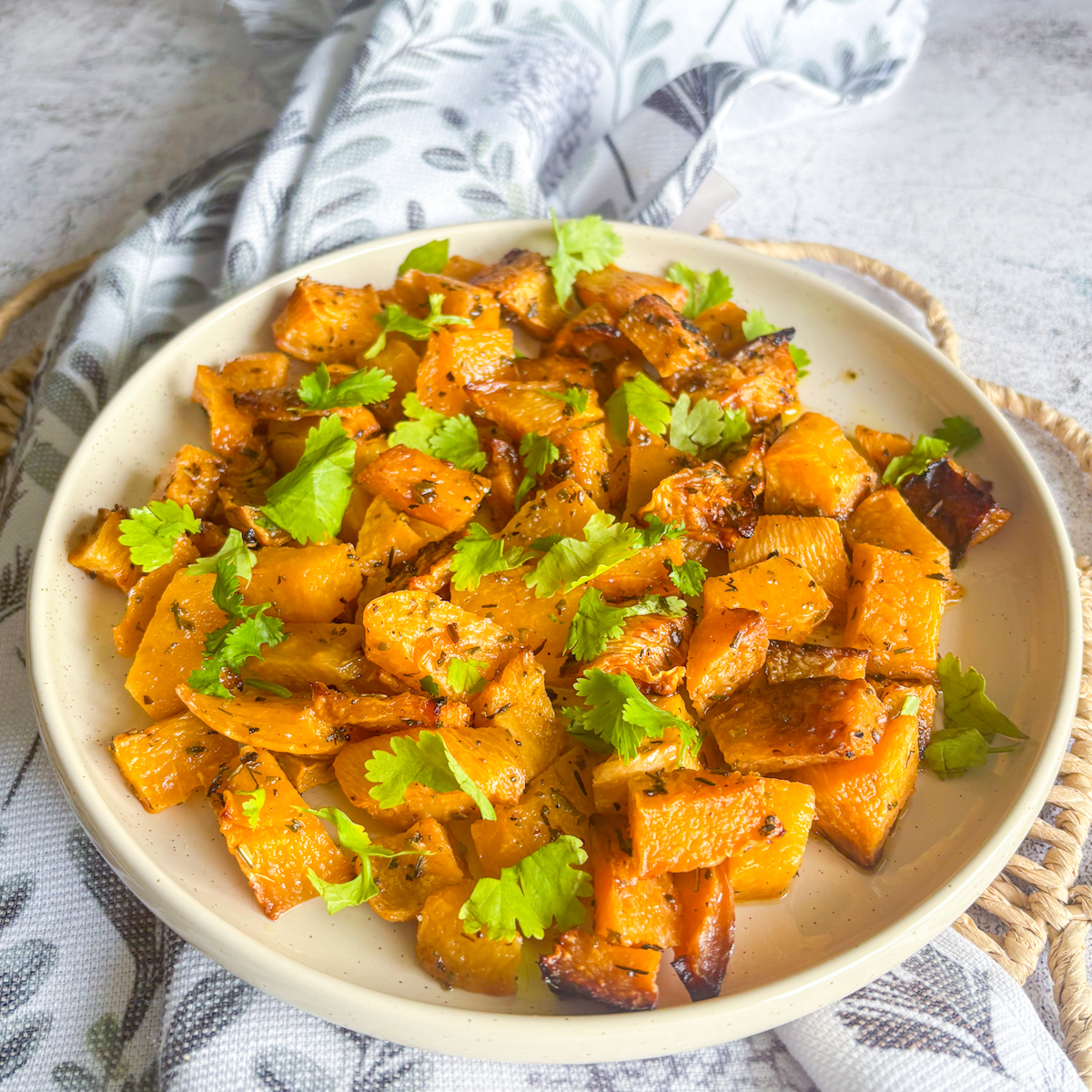
- Step 3: Slide the tray into the oven and roast for 30–35 minutes. Give the turnip a good mix twice during cooking so all sides catch some colour. To check it is ready, push a fork into one of the larger pieces — it should slide in easily, and the outside should be a deep golden brown with some crispy edges.
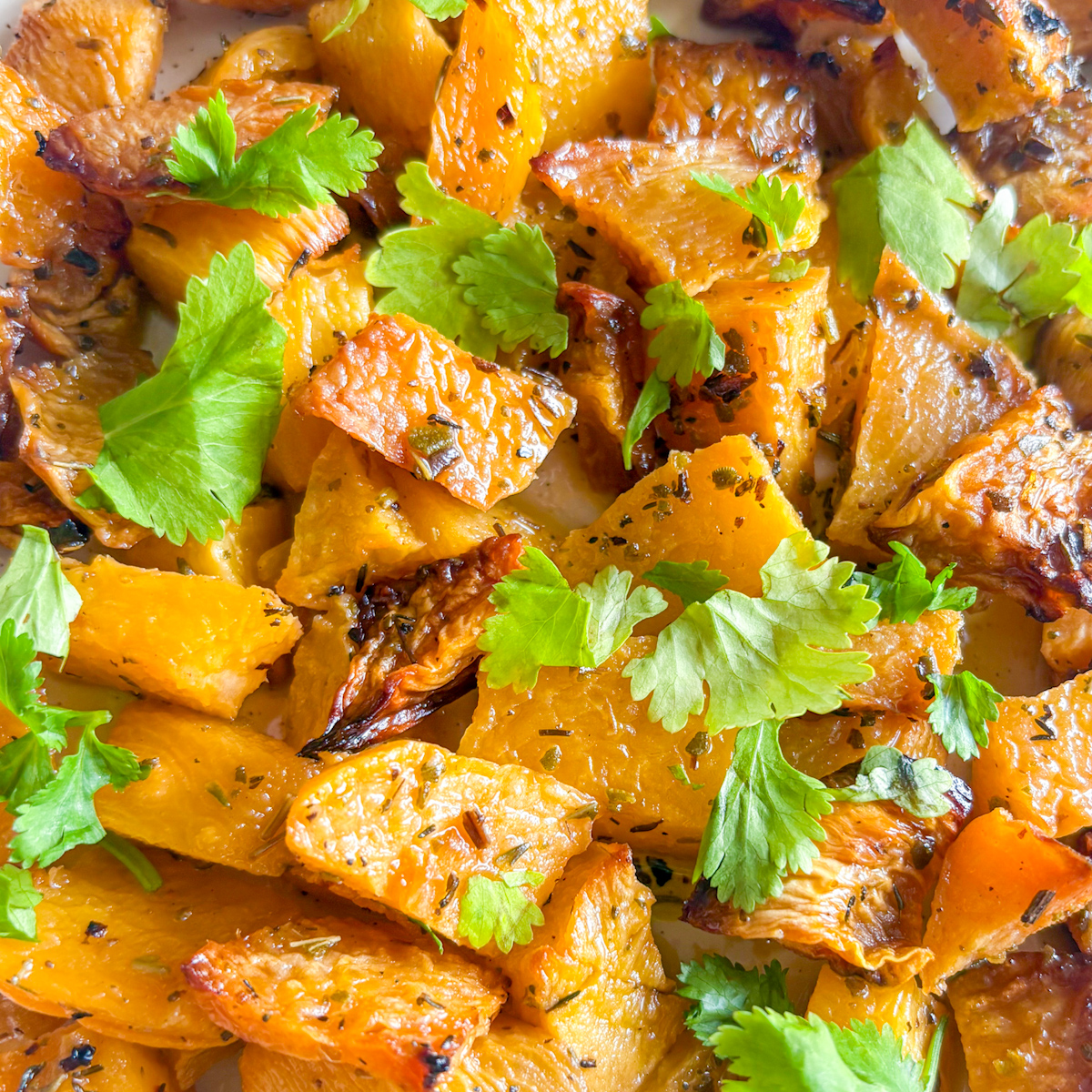
- Step 4: Take the tray out and let it rest for about 5 minutes before serving. Transfer the roasted turnips to a serving dish, scatter over some fresh parsley if you like, and finish with a pinch of sea salt flakes and another twist of pepper. I love mine with a spoon of cold sour cream on the side.
How to Serve and Store This Healthy Turnip Recipe
I serve roasted turnips as a warm side dish, usually next to roast chicken, slow-cooked lamb, sausages or a piece of grilled fish. It also works really well in a grain bowl with quinoa or barley, a handful of leaves and a soft-boiled egg on top. A spoon of cold sour cream, plain Greek yogurt or a garlicky tahini dressing makes the whole plate feel more generous.
For storage, let the roasted turnips cool fully, then keep it in an airtight container in the fridge for up to 3 days. To reheat, spread the pieces back on a baking tray and warm in a hot oven at 200°C for 8–10 minutes — this brings back the crispy edges much better than a microwave. I would not freeze this dish, as the texture goes soft and watery after thawing.
How Much Does It Cost to Make Roasted Turnips? A Quick Price Comparison
One of the reasons I keep going back to this easy roasted turnips recipe is the price. Turnips are one of the cheapest root vegetables you can buy almost anywhere in the world, which makes this a properly budget-friendly side dish.
- In the UK, a single turnip at Tesco or Sainsbury's costs from around £0.60 to £0.90 each, and loose turnips at Aldi or Lidl can be even less.
- In Ireland, you'll find turnips at Tesco, Dunnes Stores and SuperValu for roughly €0.80 to €1.50 each, depending on size and season.
- In the USA, fresh turnip root at Walmart sells for around $1.50–$2.70 per 1 lb bag, with similar pricing at Kroger.
- In Australia, expect to pay around AU$3.50–$5 per kg at Woolworths or Coles, and in Canada turnips are usually CA$2–$3 per kg at Loblaws or Sobeys.
Add a tablespoon or two of olive oil and a pinch of dried herbs from your cupboard, and the whole tray of healthy roasted turnips works out at well under £2 / $3 to make at home.
More Easy Roasted Vegetable Recipes You'll Love
If you enjoyed this recipe for roasted turnips, here are a few more simple roasted vegetable recipes from the blog that pair brilliantly with a Sunday roast or a midweek meal.
- A soft, golden Mediterranean classic: Easy Roasted Aubergine Recipe with Olive Oil and Fresh Herbs — silky, herby and ready in 30 minutes.
- A sweet, fragrant favourite: Perfectly Roasted Carrots Recipe with Fresh Thyme — caramelised carrots with a fresh, woody herb finish.
- Something a little different: Easy Oven Baked Fennel Recipe with Garlic and Parmesan — crispy on top, soft underneath, with a savoury cheese crust.
- A quick green side: Easy Roasted Asparagus Recipe with Crispy Charred Tips — bright spears with lovely charred ends in just 15 minutes.
- A full traybake option: Easy Oven Roasted Vegetables with Potatoes, Courgettes & Herbs — a one-tray, no-fuss mix that feeds the whole family.
Top Tips and Notes for the Best Oven Roasted Turnips
- Cut everything the same size. This sounds basic but it is the single biggest reason home cooks end up with uneven results. If your pieces are wildly different in size, the small ones will burn while the big ones are still hard. Aim for chunks about 2–3 cm across. Bite size means one or two bites, not one mouthful and one boulder.
- Do not skimp on the olive oil. Turnips have very little natural fat and need oil to crisp up and caramelise properly. A generous drizzle, around 1–2 tablespoons for one large turnip, is the sweet spot. Too little and they end up dry, too much and they steam in a pool. Toss thoroughly so every piece is glossy before it goes in the oven.
- Use a hot oven. 200°C (400°F) is the temperature I always use, and I would not drop below that. A hot oven dries the outside fast and locks in the sweetness, which is exactly what you want for crispy edges and a soft middle. A low oven will give you pale, sad, slightly mushy turnips, no matter how long you cook them.
- Give them room on the tray. Crowding the baking tray is the enemy of crisp. The pieces release steam as they cook, and if they are packed too closely, that steam has nowhere to go and the turnip ends up boiling in its own moisture. Spread them out in a single layer with a bit of breathing space, even if it means using two trays.
- Mix halfway through. I turn the pieces twice during the 30–35 minutes of roasting. This makes sure every side gets a chance to touch the hot tray and pick up that lovely golden brown colour. If you leave them untouched, only the bottom will caramelise and the tops will look a little pale and dull.
- Whole rosemary sprigs are easier than chopped. I always use full sprigs rather than picking the needles off. They release the same lovely fragrance into the oil and the turnip, but you can simply lift them off the tray before serving. Loose rosemary needles can be sharp and unpleasant to bite into, especially for kids.
- Season at the start and again at the end. A pinch of sea salt before roasting helps draw out the moisture and sweetness. A second pinch of sea salt flakes right before serving gives a bright, crunchy hit on top. This double-seasoning trick works for almost any roasted vegetable and it makes a real difference to the finished flavour.
- Test with a fork, not the clock. Ovens vary, and turnip size varies even more. Start checking at 30 minutes by pushing a fork into one of the bigger pieces — if it goes in with no resistance and the outside is deeply golden, you are done. If there is still a hard core, give it another 5–10 minutes and check again.
- Pair with a cold, creamy element. Hot, herby, slightly sweet roasted turnips really come alive next to something cold and tangy. I like a spoon of plain sour cream, but Greek yogurt with a little lemon zest, soured cream with chives, or a quick garlic-yogurt sauce all work brilliantly. The contrast in temperature and texture makes the dish feel much more finished.
FAQ — How to Roast Turnips
How long do you roast turnips in the oven?
At 200°C (400°F), turnips cut into bite size pieces take around 30–35 minutes. The exact time depends on how big your pieces are and how fresh the turnip is — older, denser turnips can take a little longer. Always test one of the larger chunks with a fork before serving.
How do you peel turnips easily?
The skin on a turnip is thicker than a potato skin, so a sharp Y-shaped vegetable peeler works best, or a small paring knife if you prefer. Cut a thin slice off the top and the bottom first so the turnip sits flat on your board, then peel down the sides in long strips. If the skin is very thick or slightly woody, do not be afraid to peel a little deeper to reach the clean, pale flesh underneath.
Do I need to peel turnips before roasting?
For this recipe I always peel them, because the skin can be slightly bitter and tough once roasted. Younger, smaller turnips have thinner skin and can sometimes be scrubbed and roasted whole, but anything larger than a tennis ball really benefits from peeling. It also gives you that lovely smooth, caramelised surface on each piece.
Are roasted turnips healthy?
Yes, very. Turnips are low in calories, low in carbs and naturally rich in fibre, vitamin C and a good range of minerals. Roasting with a small amount of olive oil keeps the dish light while adding healthy fats. It is a great choice for low carb, gluten-free and vegetarian eating.
What do roasted turnips taste like?
Roasted turnips have a mild, slightly sweet and gently peppery flavour, with an earthy backbone that becomes much softer and rounder after time in the oven. The caramelisation adds a deeper, nutty edge. If you have only ever eaten boiled turnip, roasting will completely change your opinion of this vegetable.
Why are my roasted turnips soggy?
Soggy roasted turnips usually come down to one of three things: not enough oil, an oven that is not hot enough, or pieces packed too closely on the tray. Make sure you preheat the oven properly, give the turnip a generous coating of olive oil, and spread the pieces out in a single layer with space between them. Mixing them halfway through also helps the moisture escape.
What is the difference between a turnip and a swede?
Turnips are usually smaller, with white flesh and a purple-tinged white skin, while swedes are larger with yellow-orange flesh and a tougher, waxy skin. Turnips taste milder, slightly more peppery, and cook faster, whereas swedes are sweeter and need a little more time in the oven. You can use this recipe for swede too, just add another 10–15 minutes of roasting time.
Related
Looking for other recipes like this? Try these:
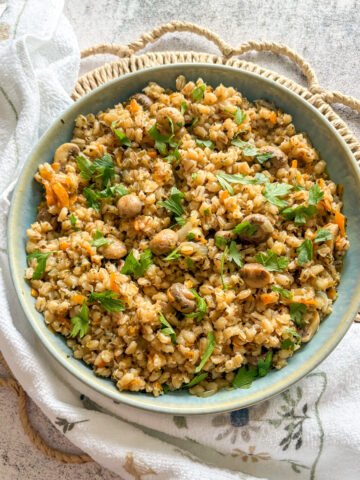
- Budget-Friendly Pearl Barley with Mushrooms
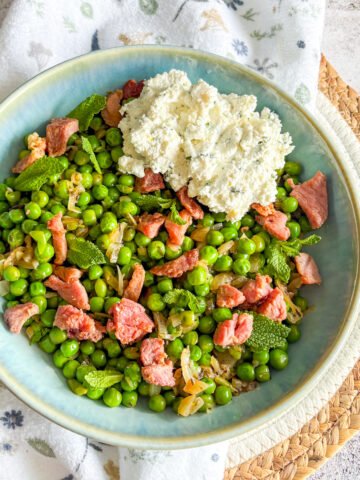
- Summer Peas with Bacon and Ricotta (Hot or Cold)
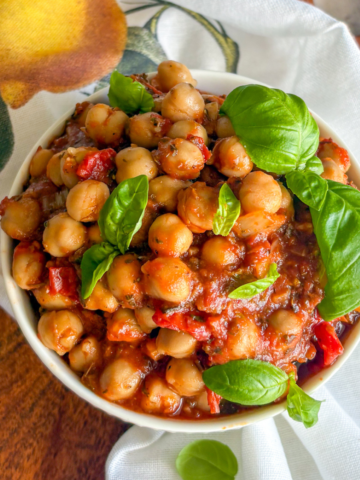
- Easy Chickpeas in Tomato Sauce Recipe (Budget-Friendly Struggle Meal)
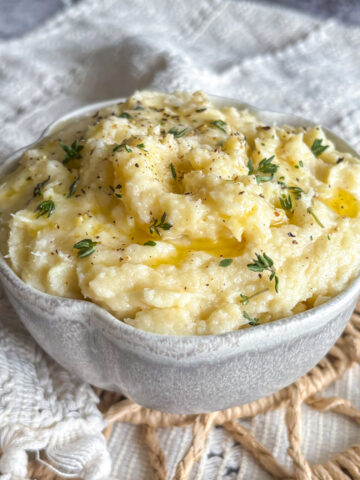
- Easy Parsnip and Pear Mash Recipe with Thyme Butter - A Beautiful Festive Side
Pairing
These are my favorite dishes to serve with Roasted turnips:
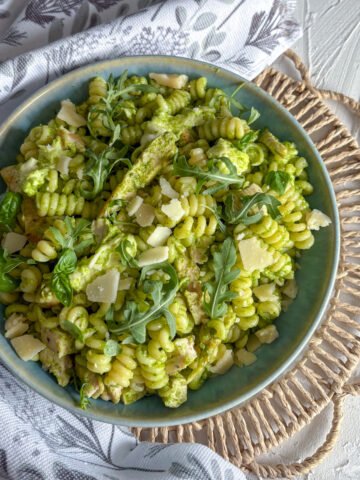
- Rocket Pesto Pasta Salad with Chicken and Cashews
- Easy Pesto Pasta Salad with Parsley Pesto and Mozzarella
- Summer Peach and Burrata Salad with Prosciutto
- Pasta Salad with Dill Vinaigrette - Easy Summer Recipe
Easy Roasted Turnips with Herbs
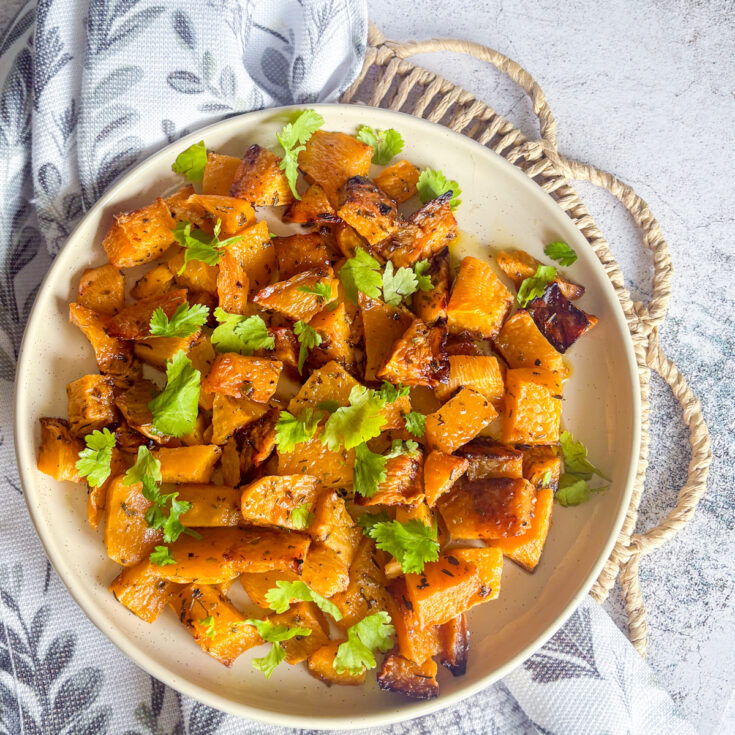
Roasted turnips with olive oil, thyme, sage and rosemary — a simple, healthy side dish ready in 35 minutes. Crispy on the edges, soft and tender inside, and perfect with any roast dinner. A budget-friendly recipe that makes the most of one humble root vegetable.
Ingredients
- 1 large turnip (about 600 g / 1.3 lb), peeled and cut into bite size pieces
- 1–2 tablespoon olive oil
- ½ teaspoon dried thyme
- ½ teaspoon dried sage
- Sea salt, to taste
- Freshly ground black pepper, to taste
- 2 whole rosemary sprigs (optional)
Instructions
- Preheat the oven to 200°C (400°F).
- Wash and peel the turnip, then cut into bite size pieces, roughly 2–3 cm across. Keep the pieces similar in size so they cook evenly.
- Tip the turnip onto a large baking tray. Drizzle generously with olive oil, then add the dried thyme, dried sage, sea salt and black pepper. Toss well with your hands or a spoon so every piece is coated in the oil and herbs.
- Spread the turnip out in a single layer with a little space between the pieces. Tuck the whole rosemary sprigs on top, if using.
- Roast for 30–35 minutes, mixing the pieces twice during cooking. The turnip is ready when a fork slides in easily and the outside is deeply golden brown with crispy edges.
- Remove the rosemary sprigs and discard them. Let the tray rest for 5 minutes, then transfer to a serving dish. Finish with a pinch of sea salt flakes, a twist of pepper and a scatter of fresh parsley. Serve with a spoon of cold sour cream on the side.