

These cottage cheese cookies are soft, chewy, and ready in under 30 minutes. A wholesome, high-protein bake made with rolled oats, eggs, and a touch of brown sugar – no butter or oil needed.
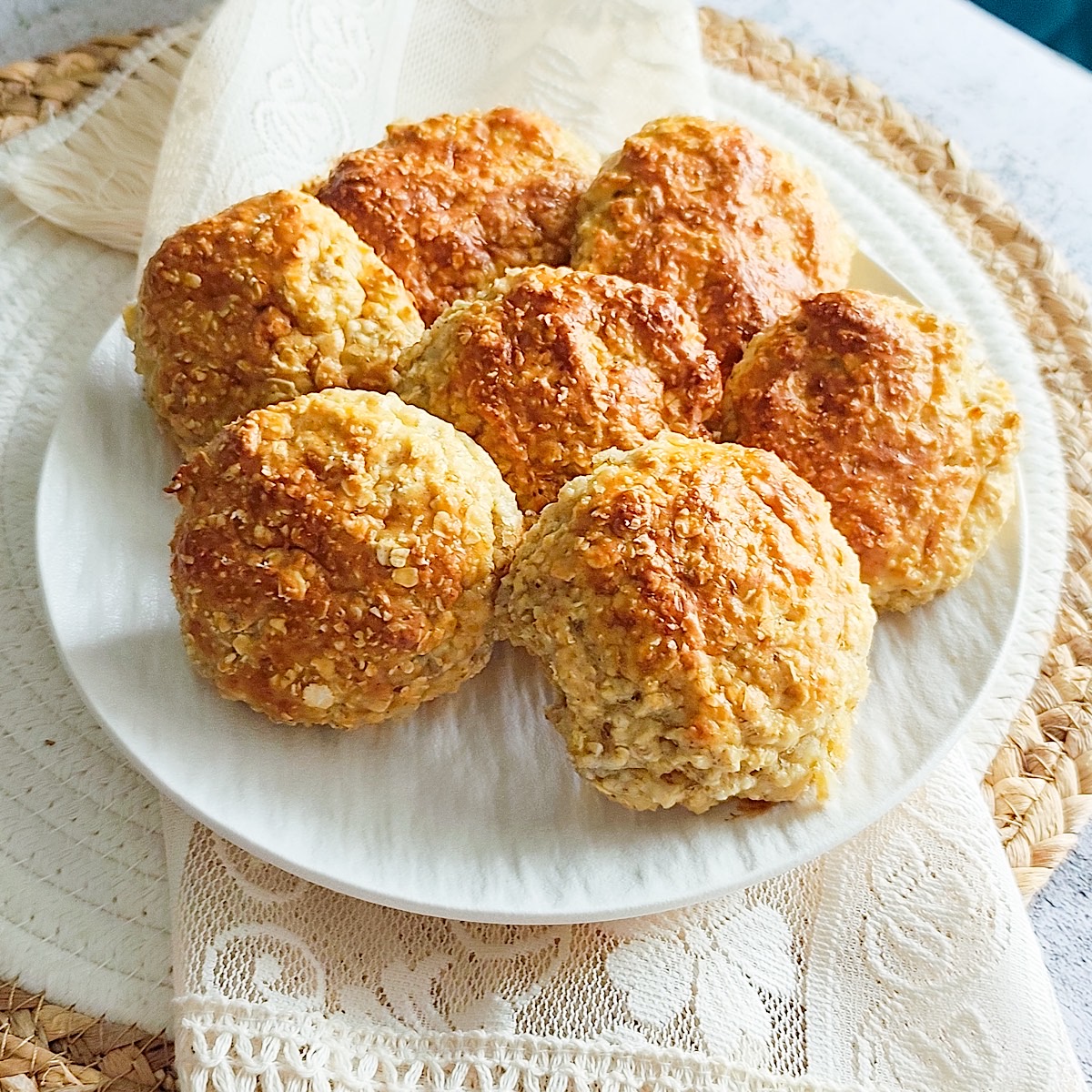
These cottage cheese cookies came out of a simple idea: use up a half-finished pack of cottage cheese and turn it into something better than a snack straight from the pot. The result is a soft, chewy cookie with a golden top and a tender, oaty middle. The cottage cheese keeps the texture moist for days and adds a solid dose of protein, so they hold up well as a breakfast, a lunchbox filler, or something to eat after the gym. There's no butter, no oil, and only a few tablespoons of brown sugar, yet the cookies still taste warm and satisfying. The method is straightforward — one bowl, a hand mixer, damp hands for shaping, and 15 minutes in the oven. No chilling, no resting the dough, no special kit. If you bake cottage cheese cookies once, you'll understand why the recipe sticks around.
Jump to:
Ingredients
Here is what you need to bake these healthy cottage cheese cookies:
- Cottage cheese (5–9% fat, dry/curd style) - this adds a creamy texture, subtle tang, and a protein boost. The low moisture content helps keep the cookie shape intact without making the dough too runny. I am using the one from Polish stores, and this Mlekpol is also very good. And of course you can use the homemade cottage cheese!
- Eggs - bind everything together and give the cookies their lift and structure.
- Vanilla essence - a small splash rounds out the flavour and balances the tang of the cheese.
- Light brown sugar - adds gentle sweetness and a warm, caramel note without being heavy.
- Rolled oats - the main dry ingredient, giving body, chew, and that wholesome texture.
- Plain flour - just enough to firm up the dough so the cookies hold their shape in the oven.
- Baking powder and baking soda - helps the cookies rise and stay light rather than dense.

How to Make Cottage Cheese Cookies
One of the best parts? These cottage cheese cookies are incredibly easy to make – no fancy equipment, no chilling time, just quick and fuss-free.

- Step 1: Preheat your oven to 180°C (350°F) and line a baking tray with parchment paper. Crack the eggs into a deep mixing bowl, then add the cottage cheese, vanilla essence, and brown sugar. Beat with a hand mixer for 2–3 minutes until the mixture is smooth and well blended.

- Step 2: Tip in the rolled oats, plain flour, baking powder, and baking soda. Mix again briefly until everything comes together into a soft dough. If it feels too wet or sticky to handle, add another spoonful or two of oats and mix through.

- Step 3: The dough should be soft but firm enough to shape. With slightly damp hands, roll the mixture into balls roughly the size of a walnut and place them on the prepared tray, leaving a little space between each one.

- Step 4: Bake for about 15 minutes, rotating the tray halfway through so they colour evenly. They'll look a touch underbaked when they come out – that's exactly right. Leave them to cool on the tray and they'll firm up into soft, chewy cookies as they settle.
Hint: The cookies might look a little underbaked when they come out of the oven – that’s totally normal! Don’t worry, just leave them to cool on the tray, and they’ll firm up nicely as they settle.
How to Serve and Store These Cottage Cheese Cookies
I love these warm from the oven with a cup of tea or coffee, but they're just as good at room temperature the next day. They make a brilliant grab-and-go breakfast, a post-workout snack, or a lunchbox filler for kids. Try them split open with a spoonful of Greek yoghurt and fresh berries, or spread lightly with nut butter and honey for something more indulgent. They also pair beautifully with a glass of cold milk for an after-school snack.
To store, let the cookies cool completely, then pop them into an airtight container. They'll keep at room temperature for 2–3 days, though I find they stay softer if you refrigerate them – they last up to 5 days in the fridge. You can also freeze them: layer between sheets of parchment in a freezer-safe container and freeze for up to 2 months. Thaw at room temperature, or warm briefly in the oven at 150°C for 5 minutes to bring back that just-baked feel.

More Recipes You Might Like
If you enjoyed this bake, here are a few more from the blog worth trying:
- If you love soft, cheese-based bakes, try the Ricotta Syrniki Recipe – lightly pan-fried cheese pancakes with a tender centre and golden crust.
- For a fluffy weekend breakfast, have a go at The Best Ricotta Pancakes Recipe – cloud-soft pancakes with a delicate, creamy crumb.
- Fans of oat-based bakes will enjoy the Banana Oatmeal Cookies Recipe – naturally sweet, chewy cookies made with ripe bananas.
- For a fruity twist on oat cookies, check out the Apricot Oatmeal Cookies Recipe – packed with dried apricots and a warm, buttery flavour.
- And for a cosy pudding, try the Plum Crumble Recipe – juicy plums under a golden, oaty topping.
5 Pro Tips for Perfect Cottage Cheese Cookies
- Choose the right cottage cheese. The style of cottage cheese you use makes a real difference to the final texture. A drier, curd-style cottage cheese (sometimes labelled as farmer's cheese or dry curd) gives the cleanest result because it doesn't release too much liquid into the dough. If you can only find the wet, creamy kind, drain it in a sieve lined with muslin or kitchen paper for 20 minutes before using. This small step prevents a soggy dough and keeps your cookies from spreading too much on the tray.
- Damp hands are your best friend. This dough is naturally sticky because of the cottage cheese and eggs, so trying to shape it with dry hands is a losing battle. Keep a small bowl of cool water nearby and dip your fingertips in between each cookie. The water creates a thin barrier that stops the dough clinging to your skin, which makes shaping quick and tidy. You'll also get a smoother surface on each cookie, which bakes up into that lovely golden top.
- Adjust the sweetness to taste. The recipe calls for 4–5 tablespoons of brown sugar, which gives a gently sweet cookie that works well for breakfast. If you're after something more dessert-like, bump it up to 6 tablespoons, or swap half the sugar for honey or maple syrup for a different flavour profile. Remember that cottage cheese has a slight tang, so a little extra sweetness balances things beautifully. Taste the batter before baking to check it suits your preference.
- Add mix-ins for variety. Plain cookies are lovely, but a handful of raisins, chopped nuts, seeds, or dark chocolate chips takes them up a notch. Stir about 50–80g of your chosen mix-in through the dough after combining the dry ingredients. Dried cranberries and pecans work brilliantly for an autumnal feel, while chocolate chips and chopped walnuts create something closer to a classic oat cookie. Keep mix-ins on the smaller side so the cookies hold their shape.
- Watch the oven closely near the end. Every oven runs a little differently, and cottage cheese cookies can go from perfectly golden to overbaked in just a minute or two. Start checking at the 13-minute mark and pull them out as soon as the tops are lightly golden and the edges look set. Remember they'll continue cooking on the hot tray once out of the oven. Underbaked is better than overbaked here – dry cookies are the one thing this recipe shouldn't produce.
- Use an ice cream scoop for uniform cookies. If you want all your cookies to bake evenly and look neat, use a small ice cream scoop or cookie scoop to portion the dough. This gives each cookie the same amount of batter, which means they bake at the same rate and finish together. It also speeds up the whole process considerably compared to rolling by hand. A 1.5-tablespoon scoop is about right for this recipe.
- Make the dough ahead for fresh cookies later. The dough keeps well in the fridge for up to 24 hours, which means you can mix it the night before and bake fresh in the morning. Cover the bowl tightly with cling film and store in the coldest part of your fridge. When ready to bake, let the dough sit at room temperature for 10 minutes, then shape and bake as usual. You might need to add a touch of flour if it has loosened up overnight.

FAQ About Cottage Cheese Cookies
Can I taste the cottage cheese in these cookies?
Not really, and that's the beauty of it. Once baked, the cottage cheese melts into the dough and adds moisture and protein without leaving any noticeable cheesy flavour. You'll mainly taste the oats, vanilla, and brown sugar, with just a subtle tang in the background that rounds everything out.
Can I make these cottage cheese cookies gluten-free?
Yes, you can easily make them gluten-free by swapping the plain flour for a 1:1 gluten-free flour blend and using certified gluten-free oats. The texture stays very similar, though gluten-free versions can be slightly more delicate, so let them cool fully on the tray before moving. I've tested this with a few different blends and they all worked well.
What kind of cottage cheese works best?
A drier, curd-style cottage cheese gives the best results because it holds its shape and doesn't make the dough watery. In the UK, look for traditional cottage cheese with smaller curds, or try farmer's cheese if you can find it. If you only have the wet, creamy kind, drain it through a muslin-lined sieve for 20 minutes before using to remove excess moisture.
Can I use quick oats instead of rolled oats?
Quick oats will work, but the texture will be softer and less chewy because they absorb moisture faster and break down more during baking. If you only have quick oats, reduce the quantity slightly (by about 2–3 tablespoons) to avoid a dry cookie. For the classic chewy bite, stick with traditional rolled or porridge oats.
Can I make these without sugar?
You can reduce the sugar significantly or replace it with a natural alternative like mashed banana, date paste, or a spoonful of honey. For a completely sugar-free version, try 2–3 tablespoons of monk fruit sweetener or erythritol. Keep in mind that sugar also helps with browning, so sugar-free cookies will look paler on top even when fully baked.
Related
Looking for other recipes like this? Try these:
- The Best Plum and Blueberry Crumble Recipe
- Grilled Apricots with Mascarpone Cream - A Quick Summer Dessert
- Healthy Oatmeal Cookies with Dates for Breakfast
- Easy Strawberry Oatmeal Cookies Recipe with Almonds



Need more inspiration for cooking?
So here you gooooo! All my recipes are cooked in my house and loved by my family!




Cottage Cheese Cookies

Cottage cheese cookies are soft, chewy, and packed with protein – a healthy, no-butter bake made with rolled oats, eggs, and a touch of brown sugar. Ready in under 30 minutes, they're perfect for breakfast, snacks, or lunchboxes.
Ingredients
- 250g cottage cheese (9 oz), 5% or 9% fat, dry/curd style
- 3 large eggs
- Splash of vanilla essence
- 4–5 tablespoons light brown sugar
- 2 cups rolled oats (180g)
- 3–4 tablespoons plain flour
- ½ teaspoon baking powder
- ½ teaspoon baking soda
Instructions
- Preheat the oven to 180°C (350°F) and line a baking tray with parchment paper. Set aside while you prepare the dough.
- In a deep mixing bowl, combine the cottage cheese, eggs, vanilla essence, and brown sugar. Beat with a hand mixer for 2–3 minutes until the mixture is smooth and well blended.
- Add the rolled oats, plain flour, baking powder, and baking soda to the bowl. Mix again briefly until everything comes together into a soft, cohesive dough. If the mixture feels too wet to handle, stir in a little more oats a spoonful at a time.
- With slightly damp hands, scoop up walnut-sized portions of dough and roll into balls. Place them on the lined tray, spacing them about 3cm apart. They don't spread much, so you can fit them fairly close.
- Bake for 15 minutes, rotating the tray halfway through for even colour. The tops should be lightly golden and the cookies set around the edges.
- Remove from the oven and leave to cool on the tray for at least 10 minutes. They'll look soft at first but firm up as they rest. Transfer to a wire rack once cool enough to handle, or serve warm.
Notes
- Use drier cottage cheese for best results. Wet, creamy cottage cheese can make the dough too loose. Drain through a muslin-lined sieve for 20 minutes if that's all you have.
- Cookies firm up as they cool. Don't be tempted to overbake if they look soft straight from the oven – they'll set beautifully on the tray.
- Add mix-ins for variety. Stir in a handful of raisins, chopped nuts, seeds, or chocolate chips for extra texture and flavour.
- Swap the flour if you like. Wholemeal flour adds fibre and a nuttier taste, or use gluten-free 1:1 blend for a GF version.
- Store properly. Keep in an airtight container at room temperature for 2–3 days, in the fridge for up to 5 days, or freeze for up to 2 months.