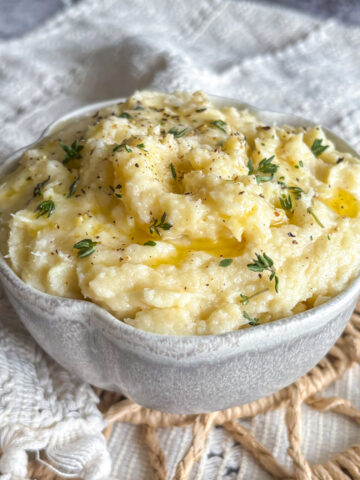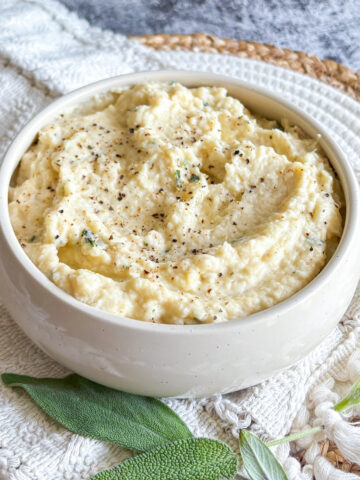

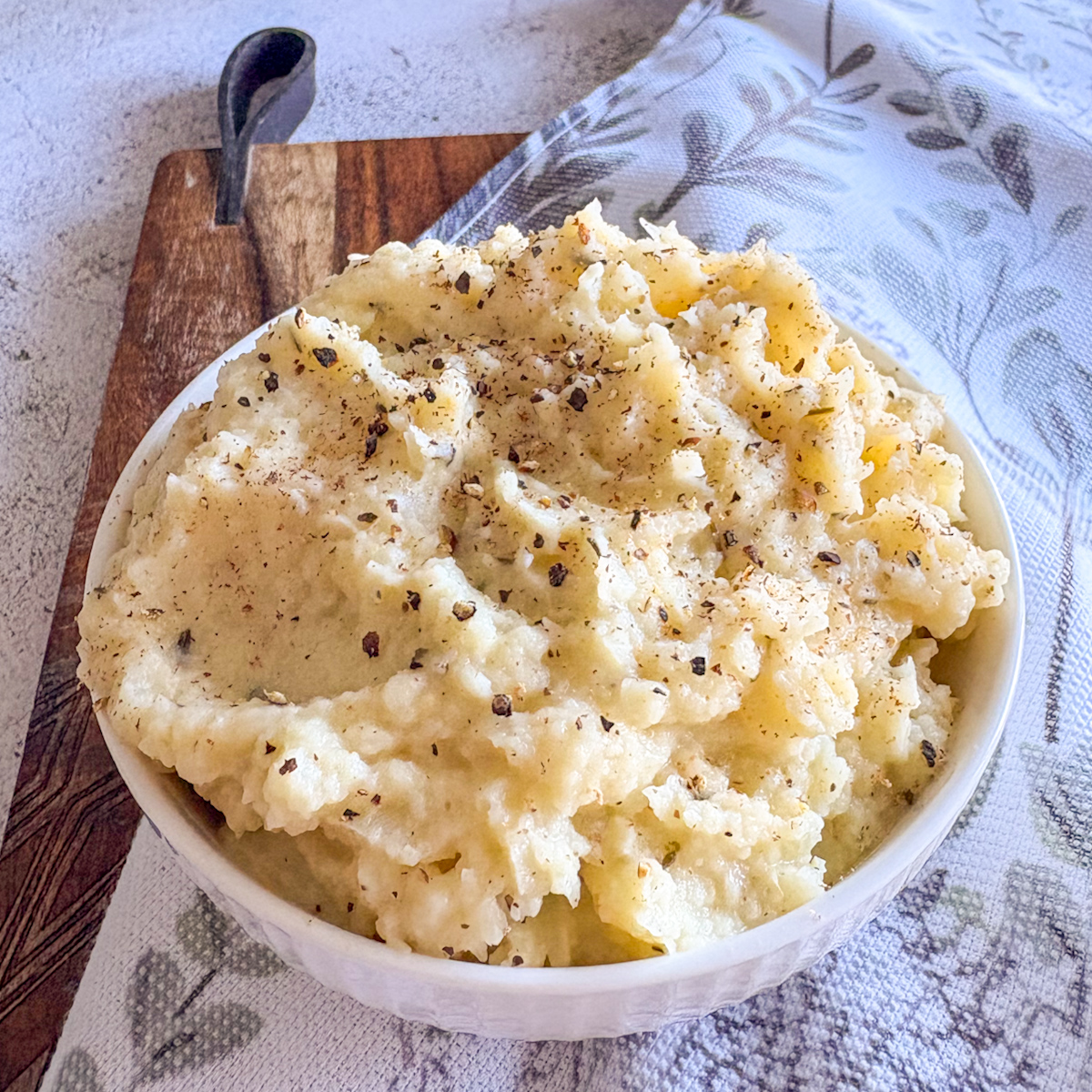
Creamy parsnip mash is a buttery, silky side dish that comes together in under 30 minutes with just a handful of ingredients. It has a naturally sweet, nutty flavour and a smooth, velvety texture that pairs beautifully with roast dinners and weeknight meals alike.
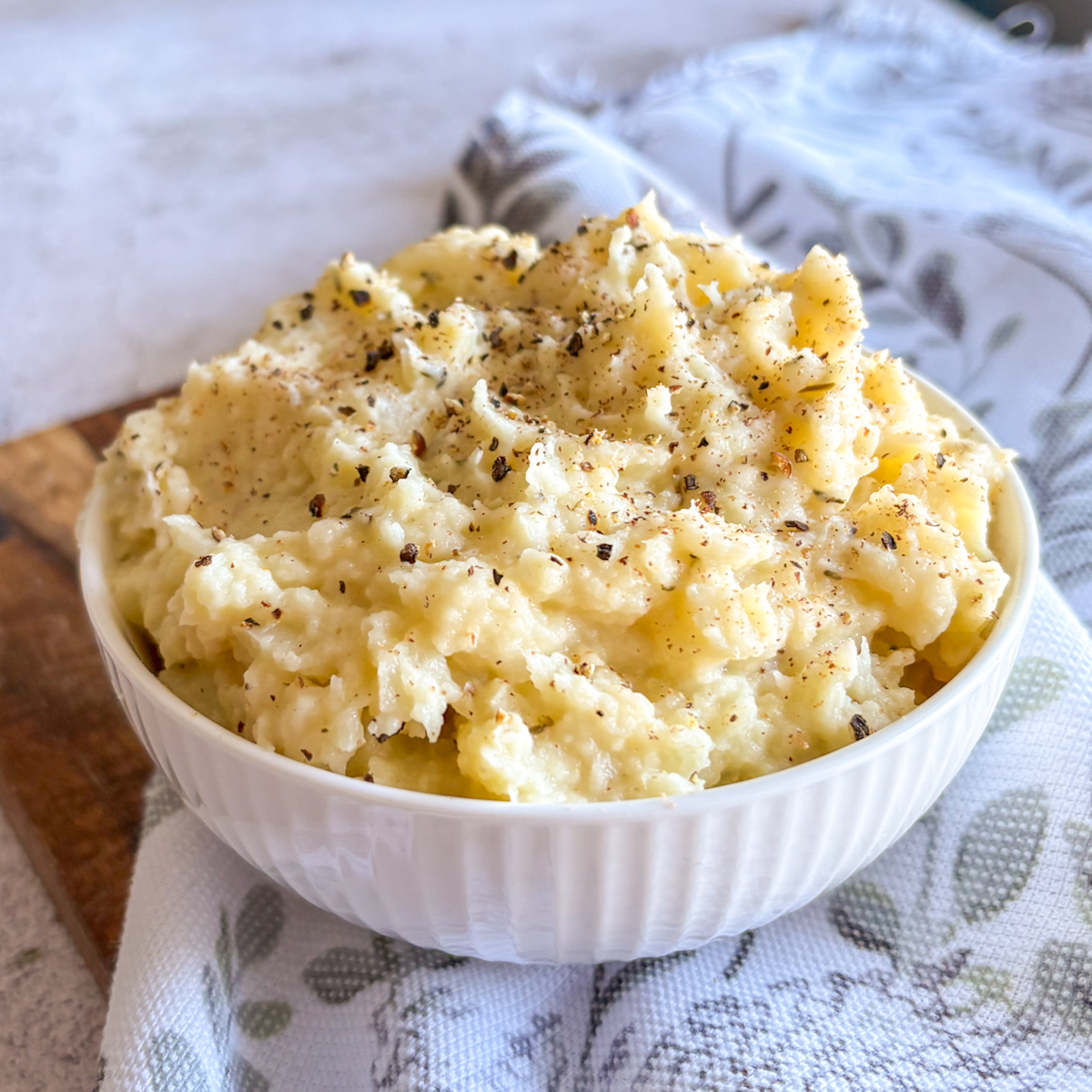
If you've only ever eaten mashed potatoes, this parsnip mash recipe will completely change how you think about root vegetable sides. Parsnips have a gentle sweetness with earthy, nutty notes that turn into something genuinely luxurious once mashed with butter and cream. The texture is softer than potato mash, almost pillowy, and it carries herbs and garlic beautifully without feeling heavy. This is the kind of side dish that quietly steals the show at Sunday lunch, sits perfectly next to a roast beef joint, and works just as well on a busy Tuesday with a piece of grilled chicken. It's low carb compared to potato mash, naturally gluten-free, and uses pantry-friendly ingredients you most likely already have.
Jump to:
Ingredients for Creamy Parsnip Mash
Here is what you need to make this buttery parsnip mash with garlic and thyme:
- Parsnips – the star of the dish, with a sweet, slightly nutty flavour that becomes silky when cooked and mashed.
- Unsalted butter – adds richness and creates that glossy, buttery finish; unsalted lets you control the seasoning.
- Double cream – brings the velvety texture and gives the mash its proper restaurant-quality smoothness.
- Garlic cloves – minced and warmed through the butter to release a soft, mellow aroma rather than a sharp bite.
- Dried thyme – pairs naturally with parsnips and adds a gentle herby warmth that runs through every bite.
- Sea salt – seasons the cooking water and the finished mash, drawing out the natural sweetness of the parsnips.
- Black pepper – freshly cracked, for a little warmth and a clean, peppery finish.
- Fresh nutmeg – grated over the top for a delicate spiced note that lifts the whole dish.
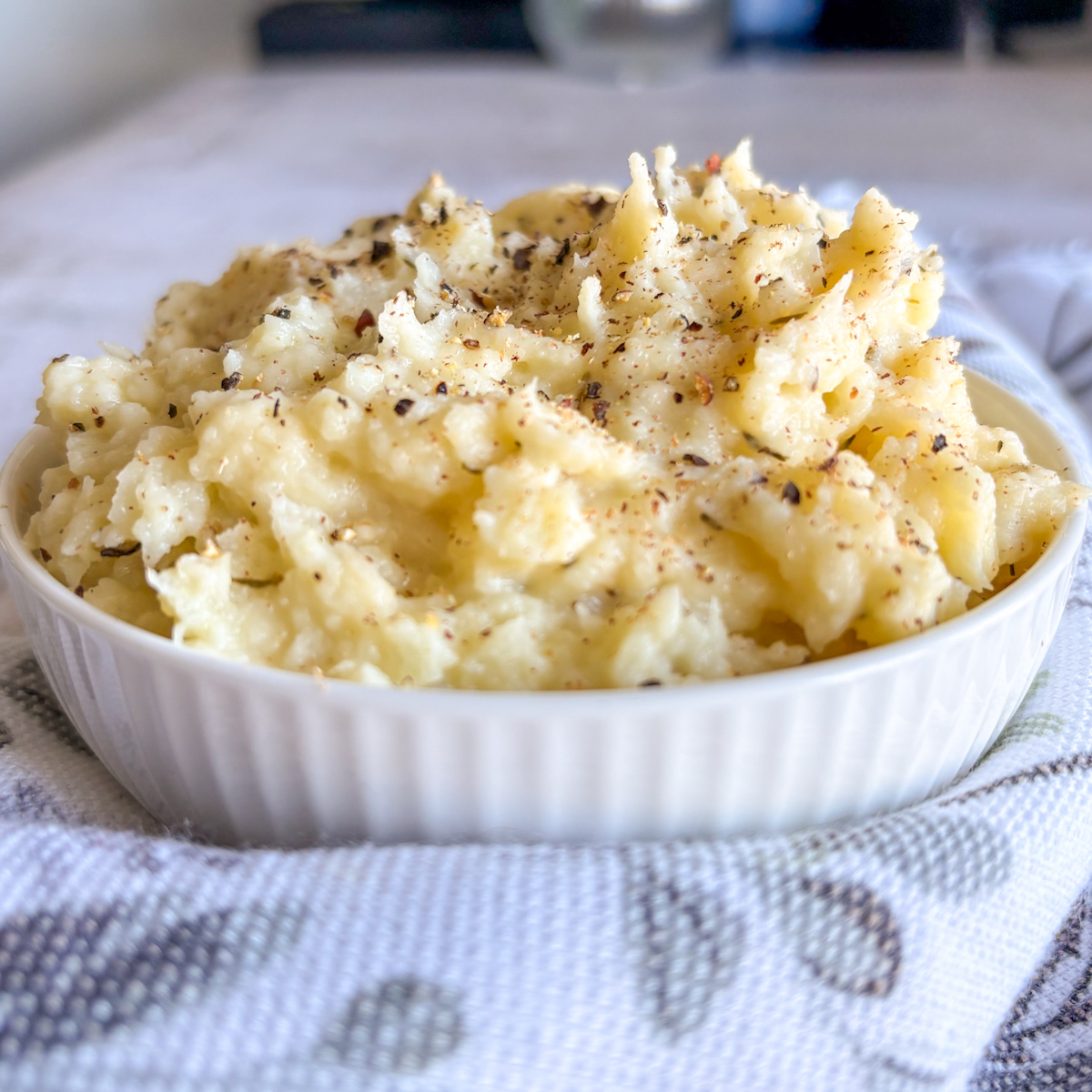
How to Make Parsnip Mash
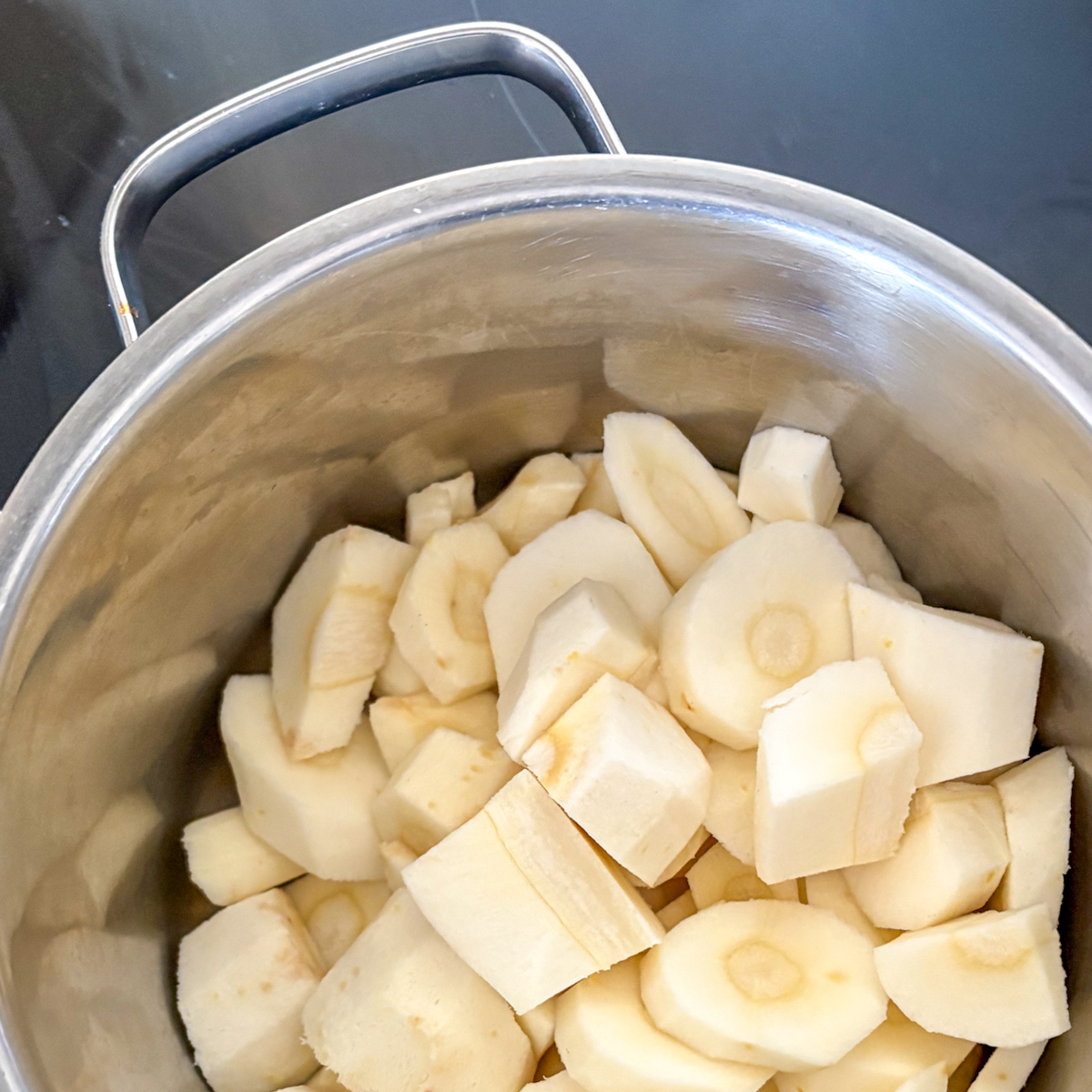
- Step 1: Peel the parsnips and slice them into even rounds about 2 cm thick. Place them in a large pot, cover with cold water, add a generous pinch of salt, and bring to the boil. Simmer for 15 to 20 minutes until completely fork tender. Drain the parsnips well and return them to the warm pot. Let them sit for a minute over low heat to allow any excess water to evaporate, which keeps the mash from turning watery.
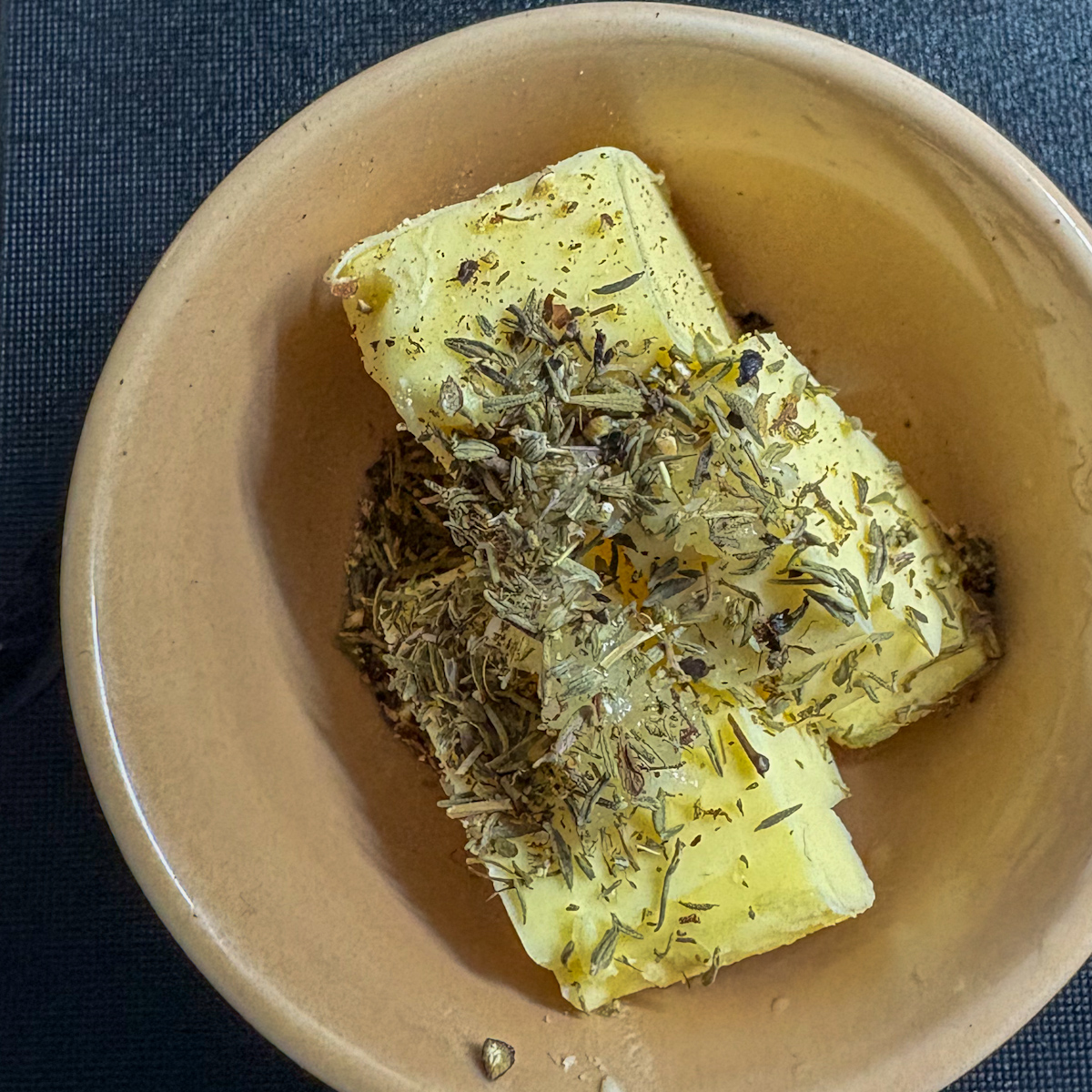
- Step 2: While the parsnips are cooking, melt the butter in a small bowl in the microwave for around 20 seconds. Stir in the minced garlic and dried thyme so the butter becomes fragrant and infused while it cools slightly.
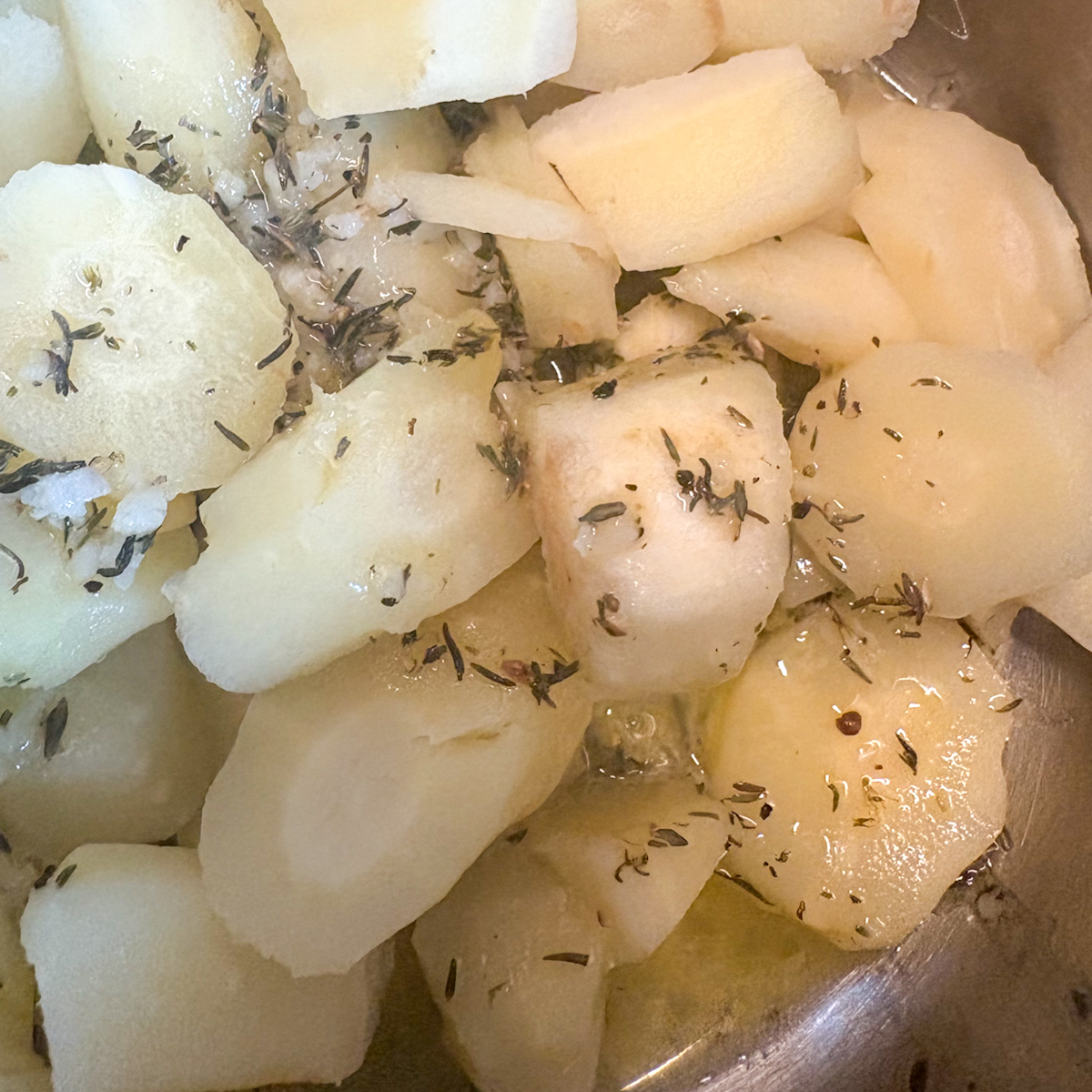
- Step 3: Pour the garlic and thyme butter over the parsnips, then mash with a potato masher or blend with a hand blender until smooth.
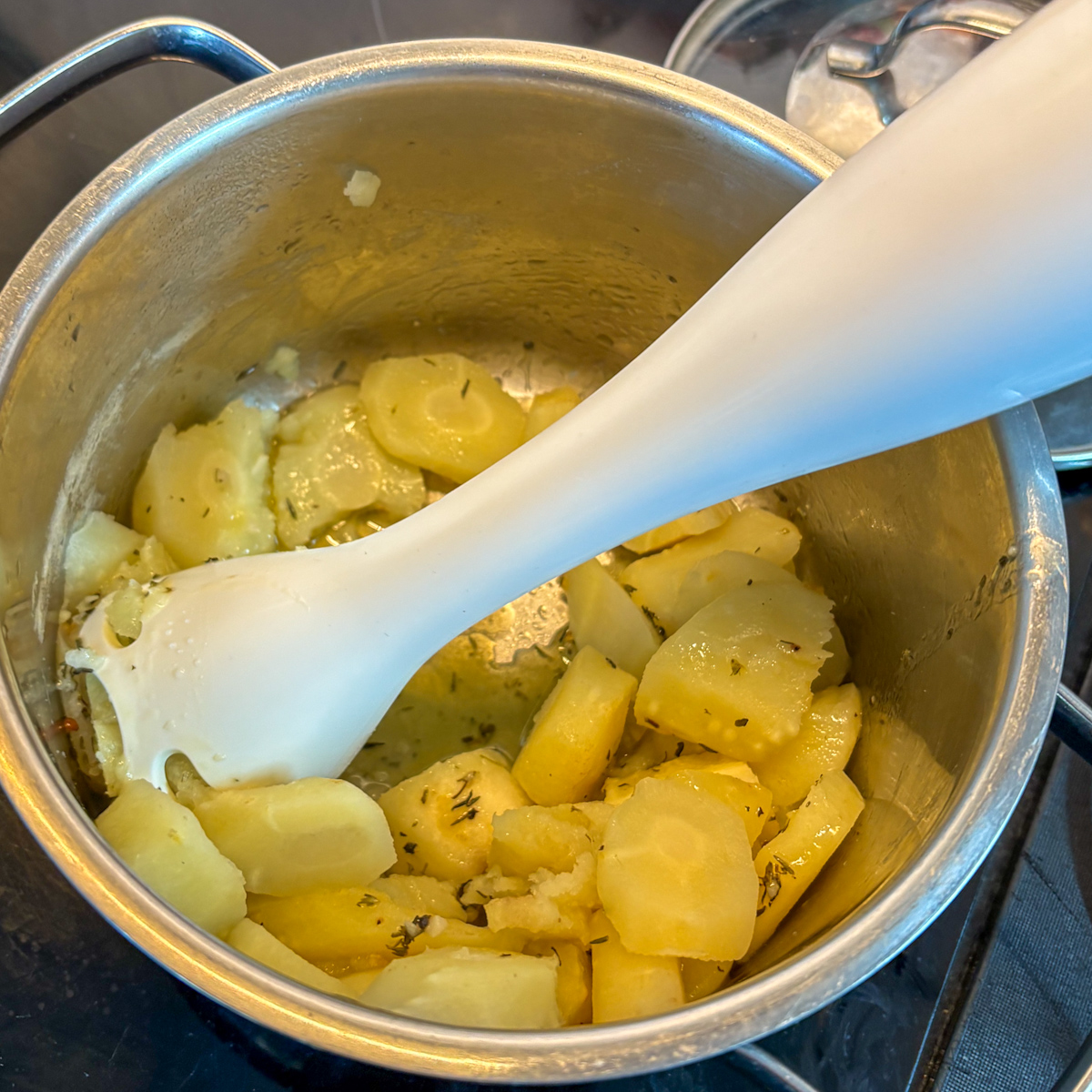
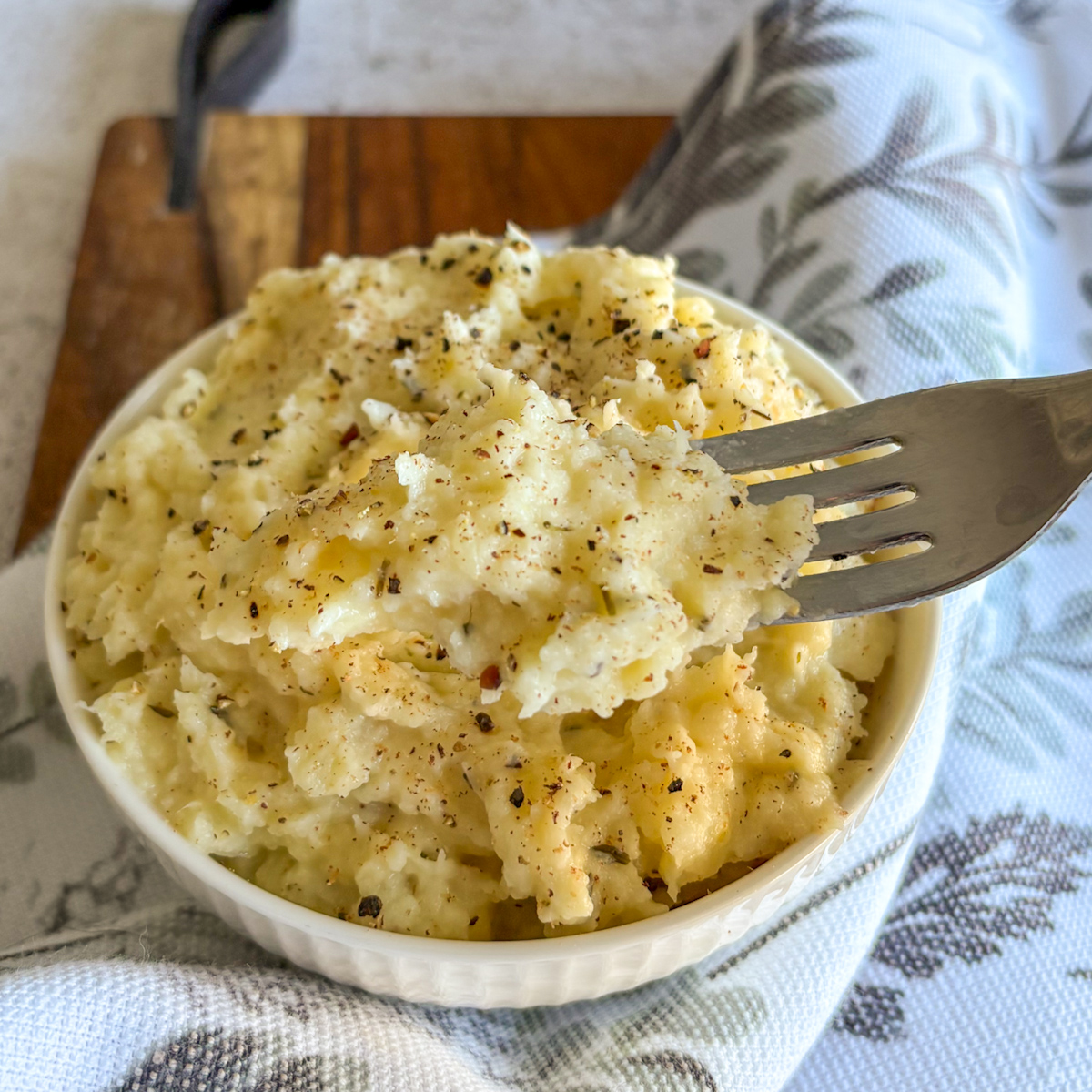
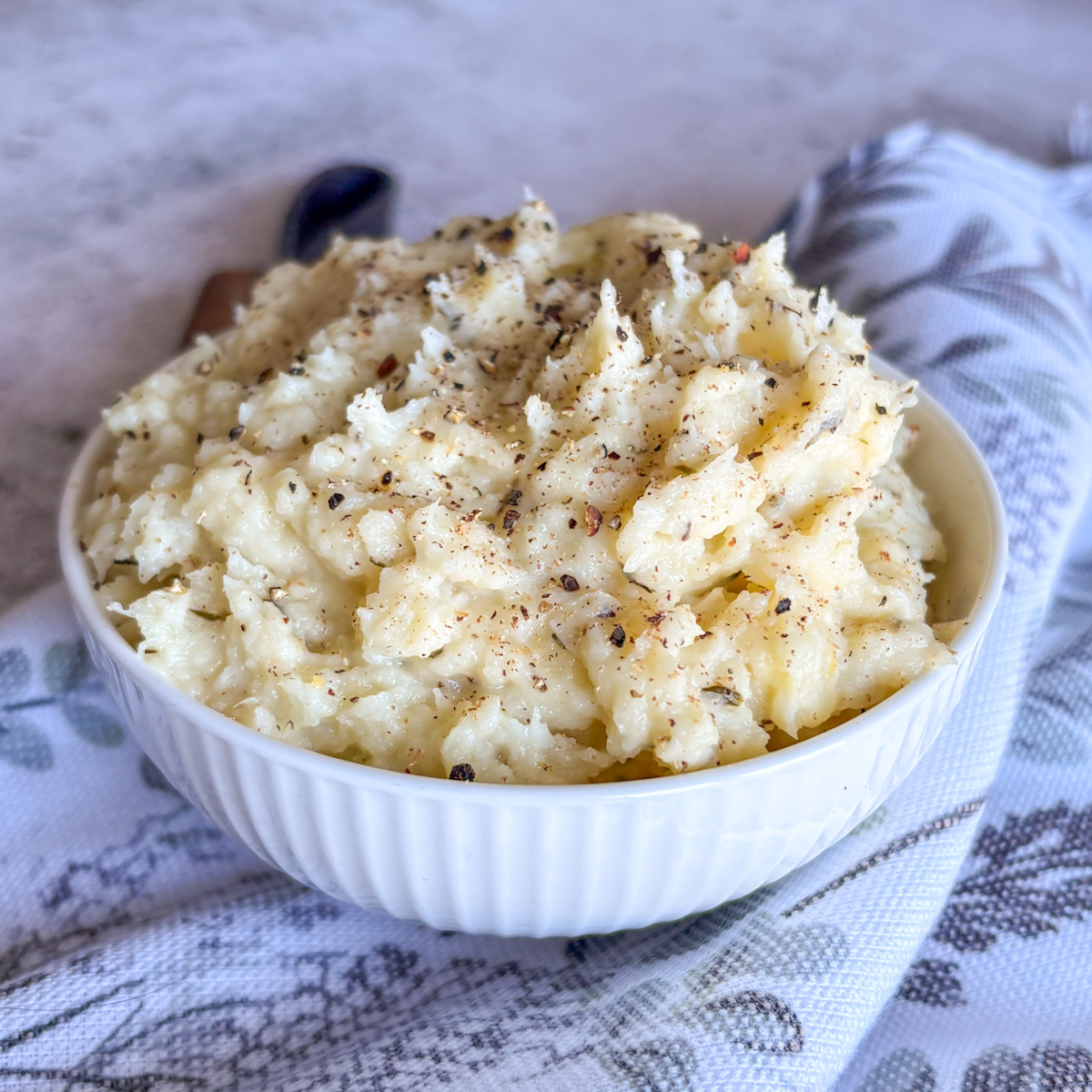
- Step 4: Fold in the double cream, season with salt and pepper, finish with a grating of fresh nutmeg, and serve parsnip mash warm.
How to Serve and Store This Parsnip Mash
This mashed parsnip recipe is wonderfully versatile and works as a side dish for almost any main. Serve it warm alongside roast beef, slow-cooked lamb shanks, roast chicken, grilled pork chops, or pan-seared salmon. It's a brilliant choice for Sunday roast or Christmas dinner, and a lighter alternative when you want something instead of potato mash. A small drizzle of melted herb butter on top, an extra crack of black pepper, or a scatter of fresh chopped parsley dresses it up nicely. And nutmeg. Seriously, do not forget freshly grated nutmeg, as this little twist changes the dish completely.
To store, transfer cooled leftovers into an airtight container and keep in the fridge for up to 3 days. Reheat gently on the hob with a splash of milk or cream to bring back the silky texture, stirring often over low heat. You can also freeze it in portions for up to 2 months, but defrost overnight in the fridge and stir well when reheating, since the texture can loosen slightly after thawing.
More Side Dish Recipes You'll Love
If you enjoyed this recipe, you'll find more easy side dishes on the blog worth trying.
- Try this comforting classic: Roasted Garlic Mashed Potatoes Recipe – buttery, fluffy mash with deep roasted garlic flavour throughout.
- A traditional Irish favourite: How to Make Carrot and Turnip Mash – a sweet and earthy mash that pairs perfectly with roast dinners.
- For something silky and elegant: Carrot and Parsnip Puree Recipe – smooth, golden, and brilliant under roast meats.
- A little sweeter alternative: Mashed Sweet Potatoes Recipe – creamy, lightly spiced, and ready in under 30 minutes.
- If you have parsnips left over: Roasted Parsnip Soup Recipe – a warming, velvety soup perfect for cold evenings.
Tips and Notes for the Best Parsnip Mash
- Choose medium-sized parsnips when possible. Very large parsnips often have a tough, woody core running through the centre that doesn't soften properly when boiled. Medium parsnips are sweeter, more tender, and mash beautifully without any fibrous bits. If you only have large ones, slice them in half lengthways and cut out the woody core before chopping into rounds.
- Cut the parsnips into even pieces. Uniform rounds cook at the same rate, which means no half-mushy, half-firm chunks ruining the texture of your mash. Aim for pieces around 2 cm thick so they soften through to the middle in the same time. This small step is the difference between a rustic, lumpy mash and a properly silky one.
- Always start parsnips in cold, salted water. Adding them to cold water and bringing it up to the boil together helps them cook evenly from the outside in. Salting the water seasons the parsnips from the inside, which makes a huge difference to the final flavour. Skip this step and you'll need a lot more salt at the end to get the same depth.
- Dry the parsnips properly after draining. Watery parsnip mash is the most common problem with this dish, and it almost always comes down to leftover cooking water. Once drained, return the parsnips to the warm pot and let them sit over low heat for a minute or two to steam off the moisture. You'll see the surface go from glossy and wet to dry and slightly powdery, which is exactly what you want.
- Warm the butter with garlic and thyme first. Stirring raw garlic into hot mash gives a sharp, almost harsh flavour that can overwhelm the natural sweetness of the parsnips. Melting the butter and infusing it with garlic and thyme softens the bite and spreads the flavour evenly through every spoonful. It only takes 20 seconds in the microwave and makes the dish taste far more thoughtful.
- Use double cream rather than milk. Milk thins the mash too much and can make it taste flat, while double cream brings richness and that proper velvety mouthfeel. You only need a few tablespoons, so it doesn't make the dish overly heavy. If you want a slightly lighter version, you can use single cream or crème fraîche, but double cream really does give the best result here.
- Mash by hand for rustic, blend for silky. A traditional potato masher gives you a chunkier, more textured mash that feels homely and comforting. A hand blender or food processor takes it into smooth puree territory, almost like a restaurant-style side. Both are delicious, so it really comes down to what you're serving it with and the texture you prefer that day.
- Don't overwork the parsnip mash if blending. Parsnips contain natural sugars and starches that can turn gluey if you blend them too aggressively or for too long. Pulse the hand blender in short bursts and stop as soon as the mash looks smooth. The same rule applies to food processors, so a few quick pulses are always better than one long blitz.
- Grate nutmeg fresh, not from a jar. Pre-ground nutmeg loses its aroma quickly and can taste dusty rather than warm and fragrant. A whole nutmeg grated fresh over the finished mash adds a delicate, slightly sweet spice note that ties everything together. You only need a tiny amount, just a few passes over a fine grater, and the difference is immediately noticeable.
- Taste and adjust the seasoning at the end. Parsnips vary in sweetness depending on the season, so the same recipe can taste different from one batch to the next. Always taste the mash before serving and adjust with a little more salt, a touch more cream, or an extra crack of pepper as needed. A small squeeze of lemon juice can also brighten the flavour if the mash tastes too sweet or rich.
Frequently Asked Questions
Can I make parsnip mash ahead of time?
Yes, parsnip mash is a great make-ahead side dish, especially for Sunday roast or Christmas dinner. You can prepare it up to 24 hours in advance, store it in an airtight container in the fridge, and reheat gently on the hob with a splash of cream or milk to loosen it. Stir often over low heat to prevent sticking and bring back the silky texture.
Do I need to peel parsnips before cooking?
Peeling is recommended for the smoothest, most refined mash, as parsnip skin can be slightly bitter and tough. If you're using young, small parsnips with thin skin, you can scrub them well and leave the skin on for a more rustic finish. For a polished, silky puree, peeling is the better choice every time.
What's the best way to mash parsnips?
A traditional potato masher gives a textured, rustic finish with a few small lumps, which many people prefer for a homely side dish. For a smooth, restaurant-quality puree, a hand blender or food processor works brilliantly, but use short pulses to avoid a gluey texture. Both methods are valid, and the choice really depends on what you're serving it with.
Is parsnip mash low carb?
Parsnip mash has fewer carbohydrates than traditional potato mash but more than cauliflower mash, so it sits somewhere in the middle. A typical serving contains roughly 18 to 20 grams of carbs, compared to around 30 grams for the same amount of potato mash. It's a great option for anyone looking to reduce carbs without giving up that comforting, creamy side dish feel.
Can I make this recipe vegan?
Yes, swap the butter for a good-quality plant-based block butter and use oat cream or coconut cream in place of double cream. The result is still wonderfully creamy and satisfying, with much the same flavour profile. Make sure to taste and adjust seasoning carefully, as plant-based butters can vary in salt content from brand to brand.
Related
Looking for other recipes like this? Try these:
- Budget-Friendly Pearl Barley with Mushrooms
- Summer Peas with Bacon and Ricotta (Hot or Cold)
- Easy Chickpeas in Tomato Sauce Recipe (Budget-Friendly Struggle Meal)
- Easy Roasted Turnips Recipe with Herbs and Olive Oil
Pairing
These are my favorite dishes to serve with Creamy Parsnip Mash:
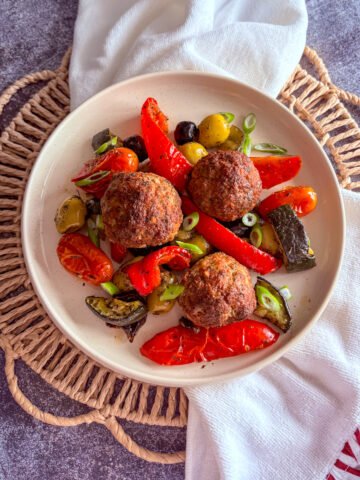
- Baked Mediterranean Meatballs with Roasted Vegetables Recipe
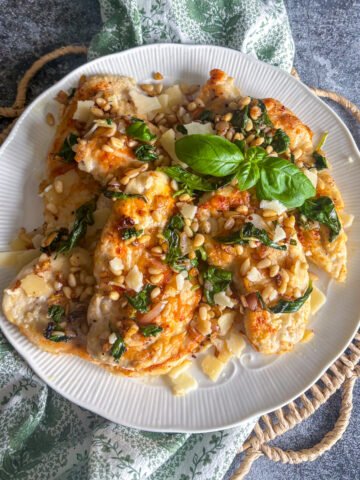
- How to Cook Pan-Fried Chicken Cutlets with Basil
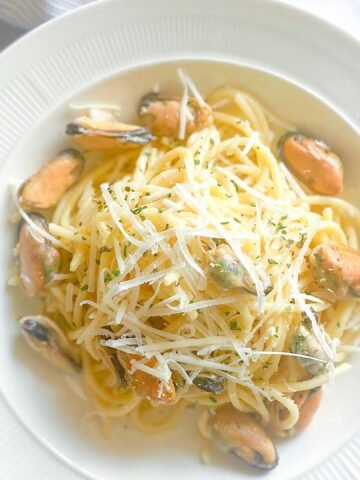
- Mussel Pasta in Creamy Garlic Butter Sauce
- Herb Butter Roast Chicken with Crispy Golden Skin
The Best Creamy Parsnip Mash Recipe
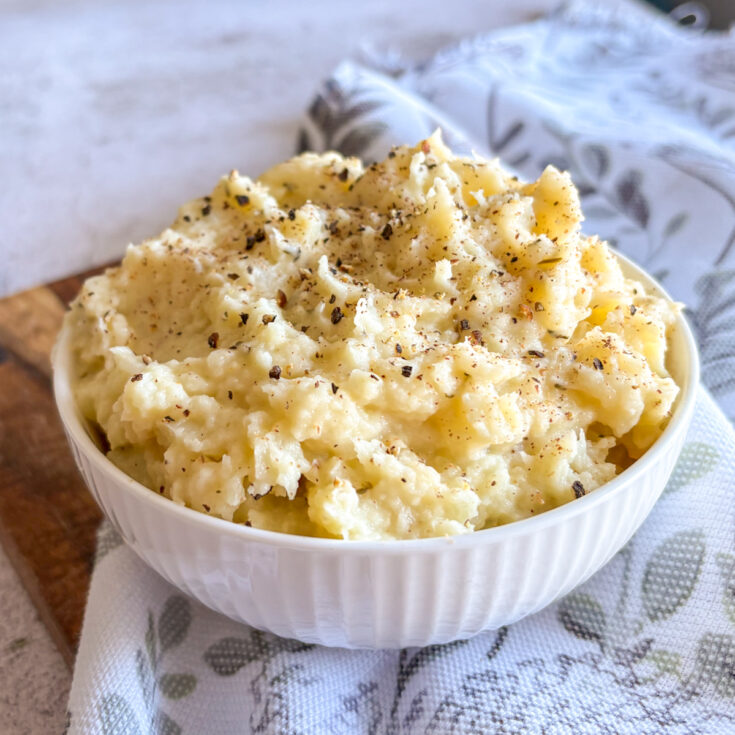
Creamy parsnip mash is a buttery, silky side dish made with parsnips, garlic, thyme, and double cream. Ready in under 30 minutes, it's a comforting, naturally sweet alternative to potato mash that works beautifully with roast dinners.
Ingredients
- 1 kg (2.2 lb) parsnips, peeled and cut into 2 cm rounds
- 60 g (4 tbsp) unsalted butter
- 60 ml (¼ cup) double cream
- 2 garlic cloves, minced
- 1 teaspoon dried thyme
- 1 teaspoon sea salt, plus more for the cooking water
- ½ teaspoon freshly ground black pepper
- ¼ teaspoon freshly grated nutmeg
Instructions
- Place the peeled and sliced parsnips in a large pot and cover with cold water. Add a generous pinch of sea salt and bring to the boil over high heat. Once boiling, lower the heat and simmer for 15 to 20 minutes, or until the parsnips are completely fork tender.
- While the parsnips are cooking, place the butter in a small heatproof bowl and melt in the microwave for about 20 seconds. Stir in the minced garlic and dried thyme, then set aside to allow the flavours to infuse the butter.
- Drain the parsnips thoroughly in a colander, then return them to the warm pot. Set the pot over low heat for 1 to 2 minutes to allow any remaining moisture to evaporate, which is the key to a thick, creamy mash.
- Pour the warm garlic and thyme butter over the parsnips. Mash with a potato masher for a rustic texture, or use a hand blender for a smoother puree. Fold in the double cream and season with sea salt and freshly ground black pepper to taste.
- Finish with a grating of fresh nutmeg over the top, give the mash a final stir, and serve immediately while warm.