
Draniki are crispy Belarusian potato pancakes with golden edges and a soft, savoury centre. Made from grated potatoes, onion and garlic, they cook in under 30 minutes and cost very little to put on the table.
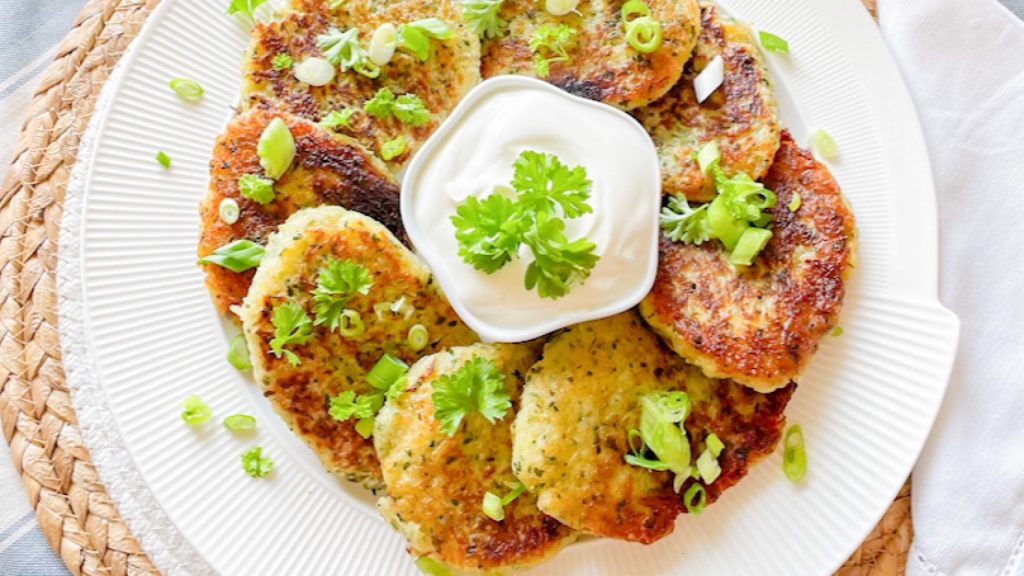
Draniki are one of the simplest potato dishes there is, and one of the most satisfying. Grated potatoes are drained, mixed with onion, garlic, egg and dried herbs, then fried in hot oil until golden brown on both sides.
The trick that separates good draniki from soggy ones is the potato starch, which settles out of the drained potato water and goes straight back into the mixture. It is cheap, filling, and works just as well for breakfast as it does for a weeknight dinner.
Jump to:
Ingredients for the Best Draniki Potato Pancakes
- Potatoes – Floury or all-rounder varieties work best, as they hold together and crisp up well.
- Potato water – The liquid drained from the grated potato. Left to settle, it gives you the potato starch that binds the mixture.
- Onion – Adds savoury depth and stops the grated potatoes from browning while you work.
- Garlic – Sharpens the flavour and cuts through the richness of the fried pancakes.
- Egg – Binds everything so the pancakes hold their shape in the pan.
- Salt and black pepper – Basic seasoning; salt also helps draw liquid out of the potatoes.
- Dried dill and parsley – Classic herbs for this dish, warm and slightly grassy against the potato.
- Oil for frying – Sunflower or any neutral oil. If you can get salo (lard), the flavour is noticeably better.
- Sour cream – The standard partner for draniki, served cold alongside the hot pancakes.

How to Make Draniki Step by Step
Step 1: Wash and peel the potatoes, then grate them on a fine grater — a fine grater gives a more even consistency, which helps the pancakes hold together. Mix in a pinch of salt, then tip the grated potatoes into a colander set over a bowl or glass, so you catch every drop of the liquid. Press down firmly to squeeze out as much water as you can, then leave the collected liquid to stand for five minutes while you prepare everything else.
Step 2: Peel and grate the onion, then add it to the potatoes and mix. The onion helps keep the colour of the potatoes and stops them browning. Add the minced or grated garlic, the egg, a pinch of salt and pepper, and the dried dill and parsley.

Step 3: Go back to the potato liquid. The starch should have settled as a thick white layer at the bottom of the bowl. Pour off the water above it, scoop out two to three full tablespoons of the starch, and add it to the potato and onion mixture. Combine everything well.
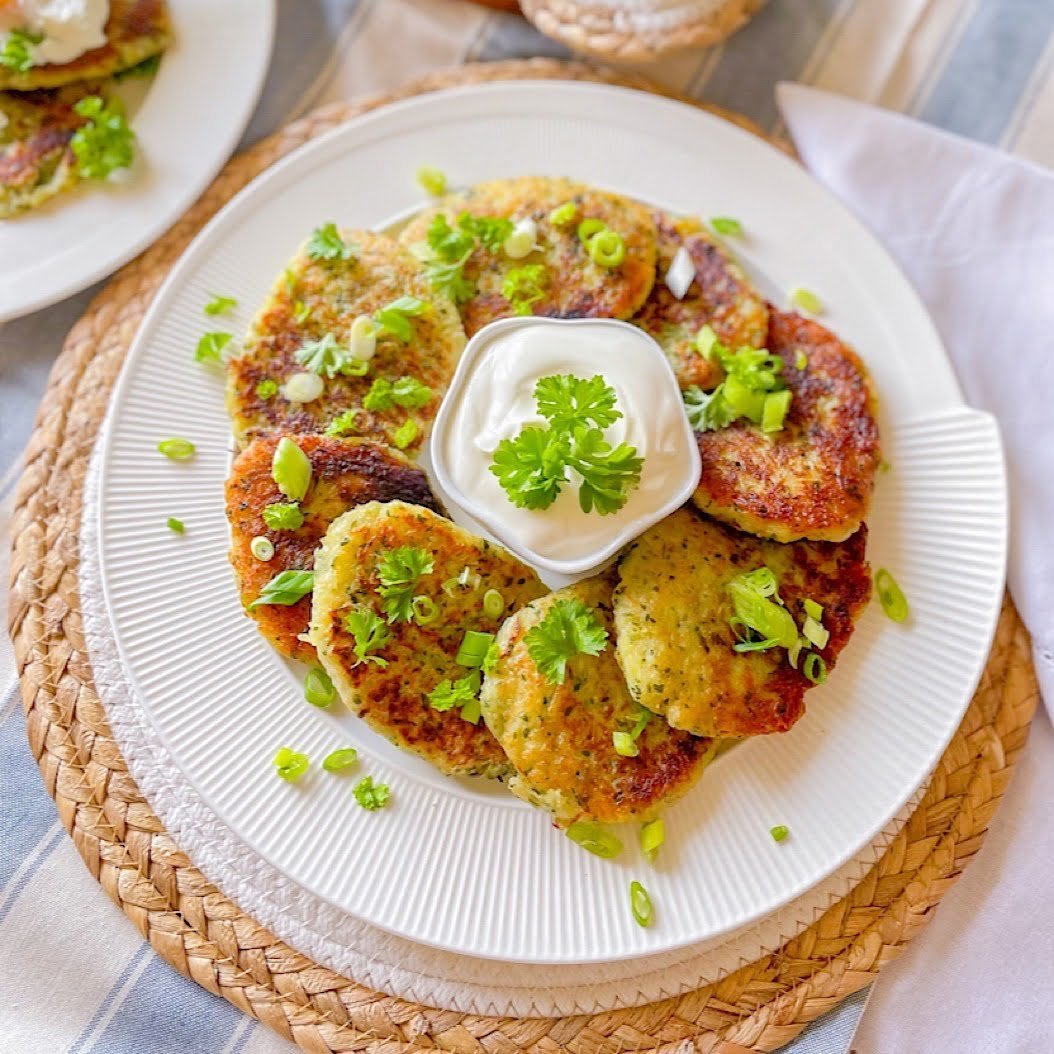
Step 4: Heat three tablespoons of oil in a skillet over medium heat. Shape the mixture into neat, thin ovals, or simply scoop it with a spoon and drop it into the pan, flattening each one slightly — don't make them too thick or they will stay raw in the middle. Fry uncovered for four to five minutes on each side until golden brown, then transfer to kitchen paper to soak up any extra oil. Serve warm with sour cream, plain or mixed with finely chopped herbs, garlic, salt and spices.

How to Serve and Store Draniki Potato Pancakes
Draniki are best straight from the pan, while the edges are still crisp. Sour cream is the traditional partner, either plain or stirred through with chopped dill, crushed garlic and a pinch of salt. They also work well next to fried mushrooms, a fried egg, cured meats, or a simple cucumber and tomato salad. For a bigger meal, serve them with sausages or braised pork.
Leftovers keep in an airtight container in the fridge for up to three days. Reheat them in a dry frying pan over medium heat for a couple of minutes on each side, or in the oven at 180°C, which brings back most of the crispness. The microwave will make them soft, so avoid it if you can. You can also freeze cooked draniki in a single layer, then bag them once solid — they keep for up to two months and reheat straight from frozen in a hot oven. Raw draniki mixture does not store well, as the potato discolours and releases more liquid, so fry the whole batch at once and store what you don't eat.
More Easy Recipes You Might Enjoy
If you like this one, here are a few more from the blog worth a look.
Since you're already making these, you might want Draniki with Sour Cream - the same potato pancakes served with a properly seasoned sour cream sauce.
For something lighter and faster, try Egg and Spring Onion Fritters - soft little fritters that come together in about fifteen minutes.
If you're feeding a crowd, Olivier Salad with Frankfurters - the classic potato and vegetable salad, made the way most families actually make it.
And for a sweeter option, have a look at Traditional Russian Oladi Pancakes - thick, fluffy little pancakes served with jam or sour cream.
What Does a Draniki Recipe Cost to Make?
Potatoes are one of the cheapest things in any supermarket, which is why draniki have stayed a staple for so long.
- In the UK, a batch works out at roughly £1.20–£1.60 in total, around 30–40p per serving. Potatoes are everywhere — Tesco, Aldi, Lidl, Sainsbury's — and a 2.5kg bag of whites costs about £1.50.
- In Ireland, expect around €1.60–€2.10 for the whole dish, or roughly 40–55c per serving. Rooster potatoes from Dunnes, SuperValu or Lidl are ideal here, floury enough to crisp up well.
- In the USA, the total lands around $2.00–$2.80, or about 50–70c per serving. Russets from Walmart, Kroger or Aldi are the closest match to what this recipe wants.
- In Poland, the whole batch comes to roughly 6–9 złoty, around 1.5–2.25 zł per serving. Biedronka and Lidl both sell potatoes cheaply, and lard for frying is easy to find.
- In Belarus, where the dish comes from, potatoes are as cheap as food gets — a full batch is around 3–5 Belarusian roubles, well under 1.25 roubles per serving. Local markets and any Euroopt store will have everything you need, including salo.
Prices are approximate and shift with the season, but the point holds — this is one of the cheapest hot meals you can put on a table.
Tips and Notes for Perfect Draniki Potato Pancakes
- Choose the right potato. Floury varieties like Maris Piper, King Edward or Rooster give the best result, because their higher starch content helps the pancakes bind and crisp. Waxy salad potatoes hold too much water and not enough starch, so the mixture stays loose and the pancakes turn out dense. If all you have is an all-rounder like Desiree, it will still work, but drain the grated potato for slightly longer. The difference between a floury and a waxy potato here is genuinely noticeable in the finished texture.
- Don't skip the starch. The starch that settles out of the potato water is the whole reason this recipe works without flour. Pour off the cloudy water carefully once it has settled, leaving the thick white layer at the bottom of the bowl. Two to three tablespoons is usually enough for five or six potatoes. If you throw the liquid away without letting it settle, you lose the natural binder and the pancakes will fall apart in the pan.
- . Grate the onion, don't chop it. Grated onion releases its juice into the mixture and distributes flavour evenly through every pancake. Chopped onion sits in visible pieces and can burn on the surface of the pan before the potato has cooked through. The juice also has a practical job, slowing the oxidation that turns grated potato grey. If you find grating onion unpleasant, chill it in the fridge for twenty minutes first.
- Work quickly once the potatoes are grated. Raw grated potato starts to discolour within minutes of hitting the air. The onion helps, but it is not a cure — the real answer is speed. Have your garlic peeled, your egg out and your herbs measured before you pick up the grater. If you must pause, press a piece of cling film directly onto the surface of the mixture to limit contact with air.
- Get the oil properly hot before the first pancake. Draniki dropped into lukewarm oil absorb it rather than sealing, and you end up with a greasy, heavy result. Test the oil with a small blob of mixture — it should sizzle immediately and start colouring within thirty seconds. If it sits there quietly, the pan is not ready. Between batches, give the oil a moment to come back up to temperature.
- Keep them thin. A thick pancake browns on the outside long before the middle has cooked, leaving a raw, gluey centre. Aim for around 8mm to 1cm once flattened. If you like a very crisp result, go thinner still and reduce the frying time by a minute a side. Pressing them gently with the back of a spoon as they hit the pan is the easiest way to get an even thickness.
- Don't crowd the pan. Too many pancakes at once drops the oil temperature and creates steam, which is the enemy of a crisp edge. Three or four at a time in a standard 24cm skillet is about right. Leave enough space between them that you can slide a fish slice underneath without disturbing the others. Cooking in batches takes longer but the results are worth it.
- Leave the pan uncovered. Covering the pan traps steam and softens the crust you have just built. Draniki should fry openly, with the moisture escaping into the air rather than condensing back onto the surface. This is one of the main differences between draniki and a potato cake finished in the oven. If you need to keep cooked ones warm, spread them on a rack in a low oven rather than stacking them on a covered plate.
- Salt at the right moment. Salting the grated potato early draws out water, which is exactly what you want before draining. Then taste and adjust the seasoning after the starch and egg go in, because the drained liquid takes some salt with it. Under-seasoned draniki taste flat no matter how well they are fried. A pinch more black pepper than you think you need usually works well against the sour cream.
Draniki Recipe FAQ — Your Questions Answered
What is the difference between draniki and latkes?
Both are grated potato pancakes, but the details differ. Draniki are Belarusian and usually bound with the potato's own starch, with onion, garlic and dried herbs in the mixture. Latkes are a Jewish dish, traditionally bound with flour or matzo meal and often served with apple sauce as well as sour cream. The textures come out slightly differently as a result.
Do I need flour in this draniki recipe?
No, and that is the point of collecting the potato water. The starch that settles out of the drained liquid does the binding job that flour would otherwise do. This keeps the flavour cleaner and the texture lighter than a flour-bound pancake. If your potatoes were very waxy and the mixture still feels loose, a single tablespoon of flour is an acceptable rescue.
Why did my potato pancakes turn grey?
Grated raw potato oxidises quickly when exposed to air, which turns it grey then pinkish-brown. Grated onion slows this down because of its natural acidity, which is one reason it goes in early. Working fast is the most effective fix, so have everything else ready before you start grating. Grey mixture is safe to eat and tastes fine — it just looks less appealing.
Can I make draniki without egg?
Yes, though they are a little more fragile. Increase the potato starch slightly, to about four tablespoons, and make the pancakes smaller so they are easier to turn. Let the shaped pancakes sit for a minute before flipping so the base sets properly. The flavour is unaffected, but handle them gently in the pan.
What are the best potatoes for draniki?
Floury, high-starch varieties are ideal — Maris Piper and King Edward in the UK, Rooster in Ireland, Russet in the USA. These bind well and give crisp edges with a soft centre. Waxy salad potatoes contain more water and less starch, so they produce a wetter mixture. If waxy potatoes are all you have, drain them longer and press harder.
Can I prepare the mixture in advance?
It is not recommended. Grated potato continues releasing water and discolouring as it sits, so a mixture made an hour ahead will be loose and grey by the time you fry it. If you need to get ahead, prepare everything else — grate the onion, mince the garlic, measure the herbs — and grate the potatoes last. Fry the whole batch and store the cooked pancakes instead.
Can draniki be baked or air-fried instead?
They can, though the result is different from the traditional fried version. For the oven, brush both sides with oil and bake at 200°C for about twenty minutes, turning halfway. In an air fryer, 190°C for roughly fifteen minutes with a light spray of oil works. Both give a drier, less rich pancake, which some people prefer.
How do I stop draniki absorbing too much oil?
Hot oil is the main answer, because properly heated oil seals the surface almost instantly. Cold or lukewarm oil soaks straight into the mixture and makes the pancakes heavy. Three tablespoons in the pan is enough for a shallow fry, and you top it up between batches rather than starting with a deep pool. Draining on kitchen paper afterwards removes whatever is left on the surface.
How many potatoes do I need per person?
Five to six medium potatoes make around four servings, so roughly one and a half potatoes per person. That gives you about three or four pancakes each, depending on how big you shape them. If you are serving them as a side rather than a main, one potato per person is plenty. The recipe scales up easily — just keep the ratio of starch and egg roughly proportional.
Draniki — Crispy Belarusian Potato Pancakes

Draniki are traditional Belarusian potato pancakes, made with grated potatoes, onion and garlic, and bound with the potato's own starch instead of flour. They fry up golden and crisp at the edges with a soft, savoury middle. Served hot with cold sour cream, they make a cheap and filling meal at any time of day.
Ingredients
- 5–6 medium potatoes (about 800g / 1 lb 12 oz), peeled
- Reserved potato water (from draining the grated potatoes)
- 1 medium onion
- 2–3 garlic cloves
- 1 egg
- ½ teaspoon salt, plus a pinch for the grated potatoes
- ¼ teaspoon black pepper
- 1 teaspoon dried dill
- 1 teaspoon dried parsley
- 3 tablespoon oil for frying, plus more between batches (or lard/salo)
- Sour cream, to serve
Instructions
- Wash and peel the potatoes, then grate them on a fine grater. Transfer to a bowl and mix through a pinch of salt.
- Tip the grated potatoes into a colander set over a bowl or glass, so you catch all the liquid. Press down firmly to squeeze out as much water as possible. Leave the collected liquid to stand for 5 minutes.
- Peel and grate the onion and stir it into the drained potatoes. Add the minced or grated garlic, the egg, salt, black pepper, dried dill and dried parsley.
- Return to the reserved liquid. The starch will have settled as a thick white layer at the bottom. Carefully pour off the water above it, then scoop 2–3 tablespoons of the starch into the potato mixture. Mix everything together well.
- Heat 3 tablespoons of oil in a skillet over medium heat. Shape the mixture into thin ovals, or scoop it with a spoon and drop it into the pan, flattening each one slightly. Keep them no thicker than about 1cm.
- Fry for 4–5 minutes on each side, uncovered, until deep golden brown. Cook in batches without crowding the pan.
- Transfer the cooked pancakes to kitchen paper to absorb any excess oil.
- Serve warm with sour cream, plain or mixed with finely chopped herbs, crushed garlic, salt and spices.