
Creole Chicken Wings are crisp, deeply spiced and baked in the oven rather than fried. Ready in under an hour using one bowl, one tray and a rub built on paprika, celery salt, thyme and three kinds of pepper.
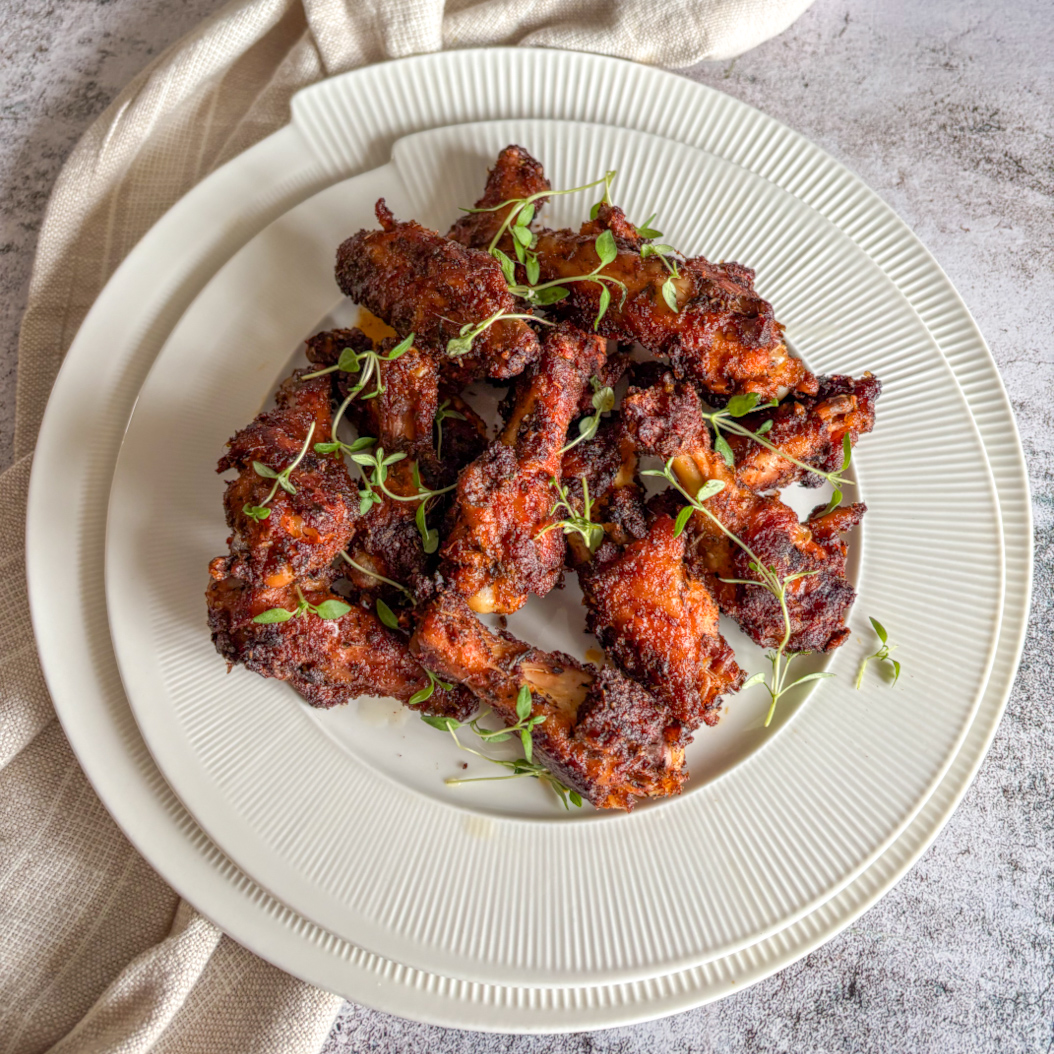
Creole Chicken Wings get their crunch from one simple trick: baking powder in the dry rub, which dries the skin as it bakes and gives that crackly finish without a pan of hot oil. The flavour sits in the rub — onion powder, celery salt, paprika, garlic, dried thyme and oregano, then cayenne, white and black pepper for heat that arrives in layers rather than all at once. Everything goes into one bowl, onto one lined tray, and into a 200°C oven for around 40 minutes. It is cheap for the amount of food it makes, easy to scale for a crowd, and the spice mix keeps in a jar for the next batch.
Jump to:
- Ingredients for Creole Chicken Wings
- How to Make Creole Chicken Wings
- How to Serve and Store Creole Chicken Wings
- More Easy Chicken Wing Recipes You Might Enjoy
- How Much Do Creole Chicken Wings Cost to Make?
- Tips and Notes for Perfect Creole Chicken Wings
- Creole Chicken Wings FAQ
- Related
- Pairing
- Creole Chicken Wings
Ingredients for Creole Chicken Wings
Nothing here is unusual, and most of it is probably already in the cupboard. The only slightly less common item in these Creole Chicken Wings is celery salt, and it is worth buying properly rather than substituting.
- Chicken wings – Pre-cut into drummettes and flats so the pieces cook at the same rate. Cut wings also give you more crisp surface per bite.
- Onion powder – Savoury depth right through the rub, without the moisture fresh onion would release onto the tray.
- Celery salt – The seasoning that makes the mix taste properly Creole, green and slightly bitter behind the heat. It also carries all the salt for the dish, so nothing else is needed.
- Paprika – Colour and gentle sweetness. Sweet paprika keeps things mild, smoked paprika pushes the flavour towards barbecue.
- Baking powder – The crisping agent. It raises the pH of the skin so it browns faster and dries as it bakes.
- Garlic powder or fresh minced garlic – Powder spreads evenly and copes with the long bake. Fresh garlic is sharper but can catch, so mix it well into the oil.
- Dried thyme – Woody and slightly resinous, one of the backbone herbs in Louisiana cooking.
- Dried oregano – Rounder and more peppery than thyme, and it holds its flavour through 40 minutes of heat.
- Cayenne pepper – Clean, direct heat. One teaspoon across a kilo of wings is warm rather than punishing.
- White pepper – Sharp and slightly fermented, and it lands differently on the tongue to black pepper.
- Black pepper – Warmth and a bit of bite right at the finish.
- Olive oil – Binds the rub to the skin and lets the spices toast instead of scorching.
If you want more heat, add cayenne rather than anything else — it lifts the temperature without muddying the herbs. A pinch of allspice or nutmeg takes the Creole Chicken Wings in a slightly older, more aromatic direction, which is worth trying once you know the base recipe.
How to Make Creole Chicken Wings
Creole Chicken Wings need no special equipment — a large bowl, a baking tray and something to line it with. The whole thing takes about ten minutes of actual work.
- Step 1: Preheat the oven to 200°C (400°F), or 180°C for a fan oven. Pat the wings thoroughly dry with kitchen paper and separate them into drummettes and flats, discarding the tips or keeping them for stock. Line a large baking tray with parchment paper or foil.
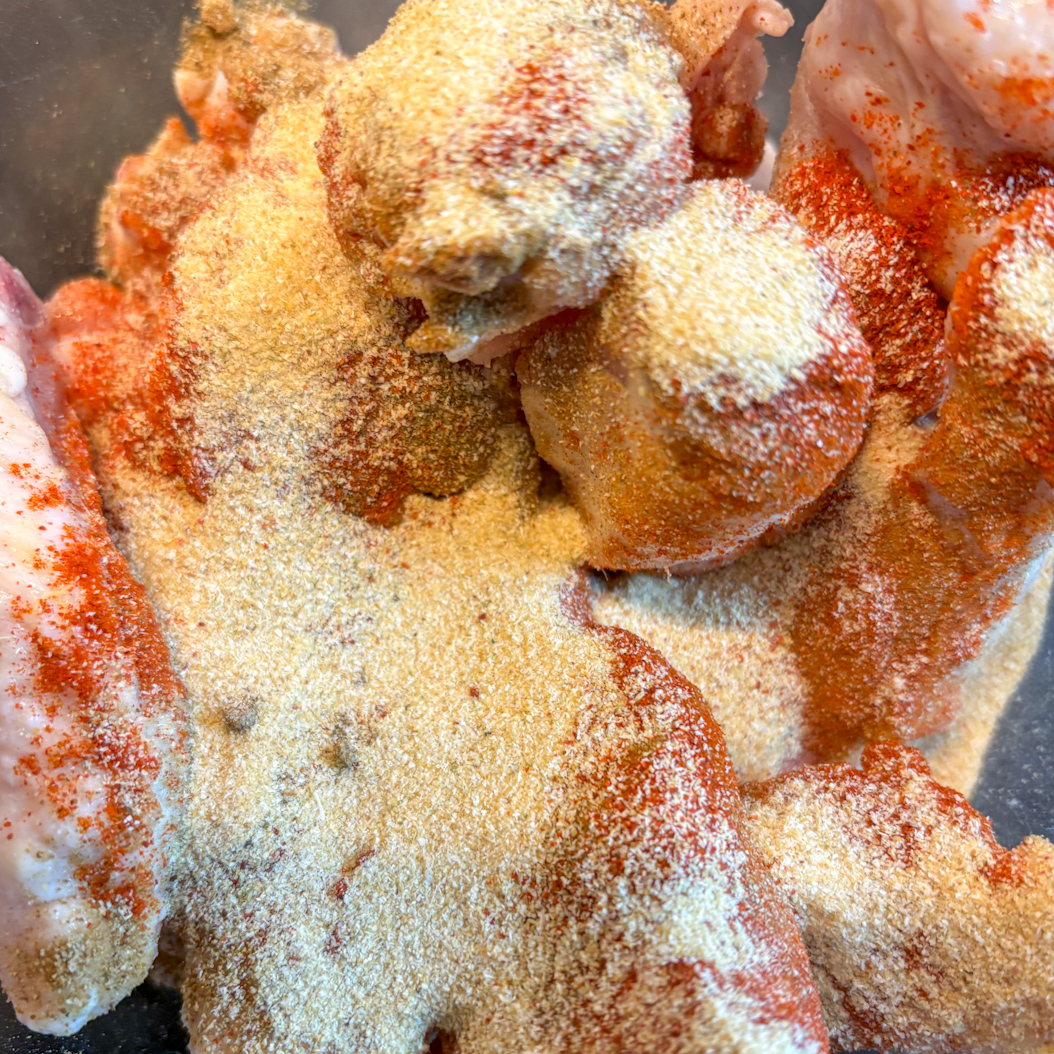
- Step 2: Put the wings into a large bowl and add the onion powder, celery salt and paprika. Mix with your hands until every piece is coated and the colour is even.
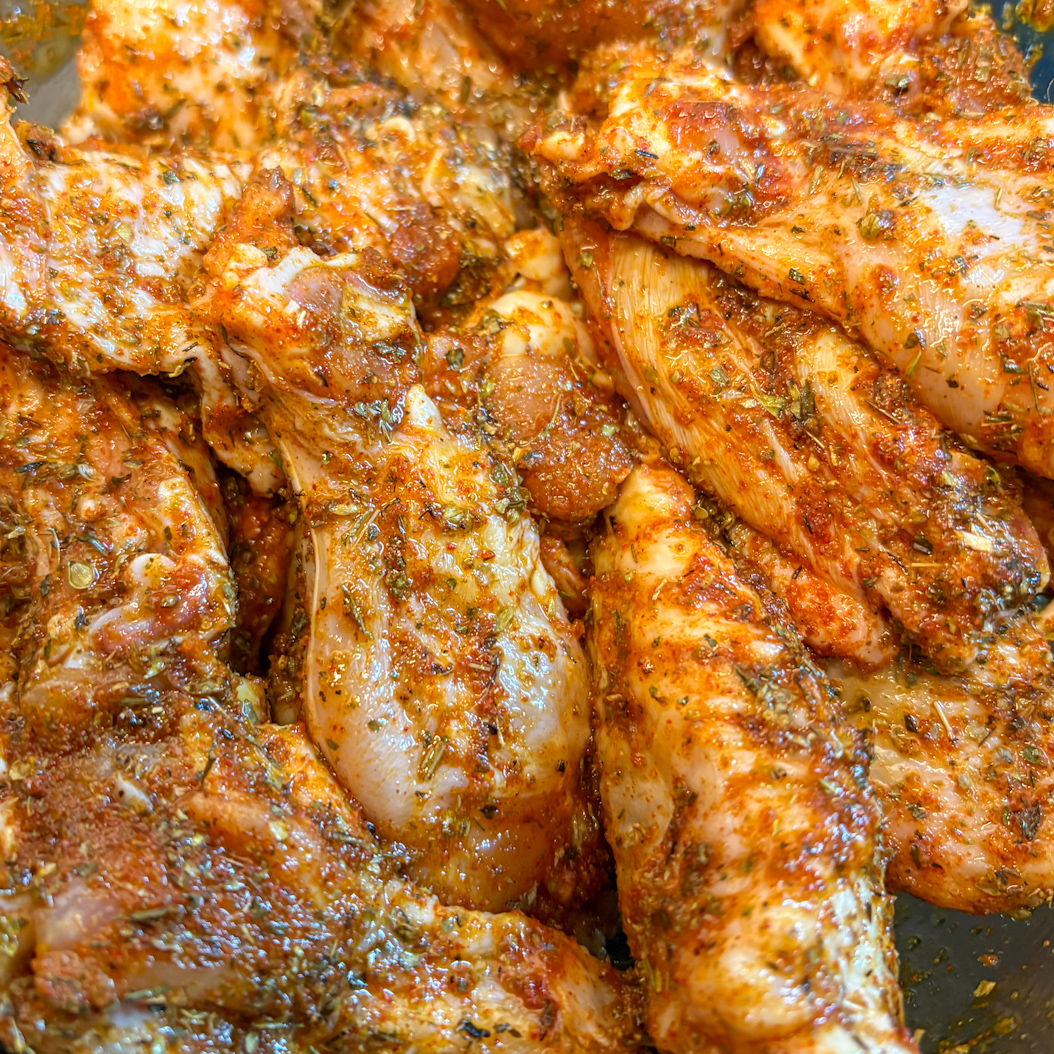
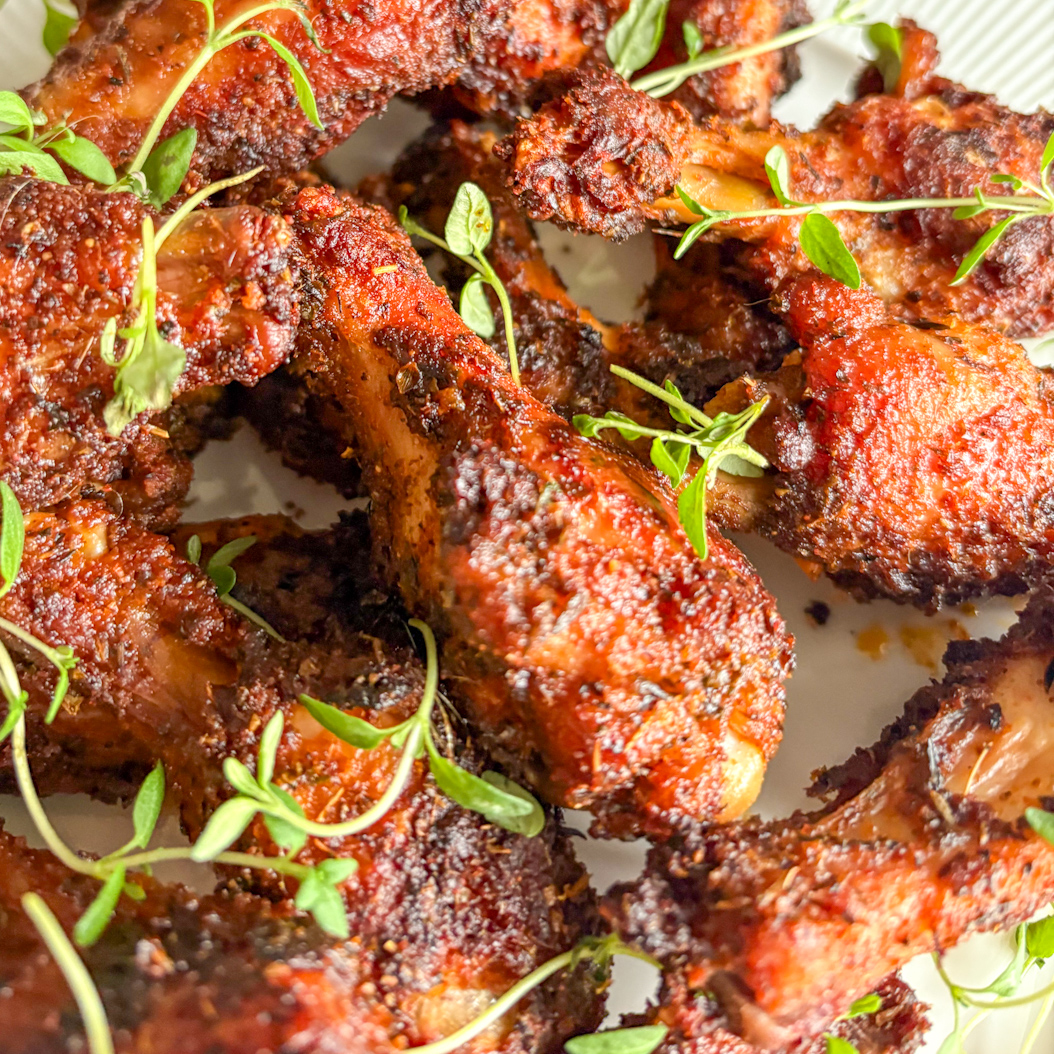
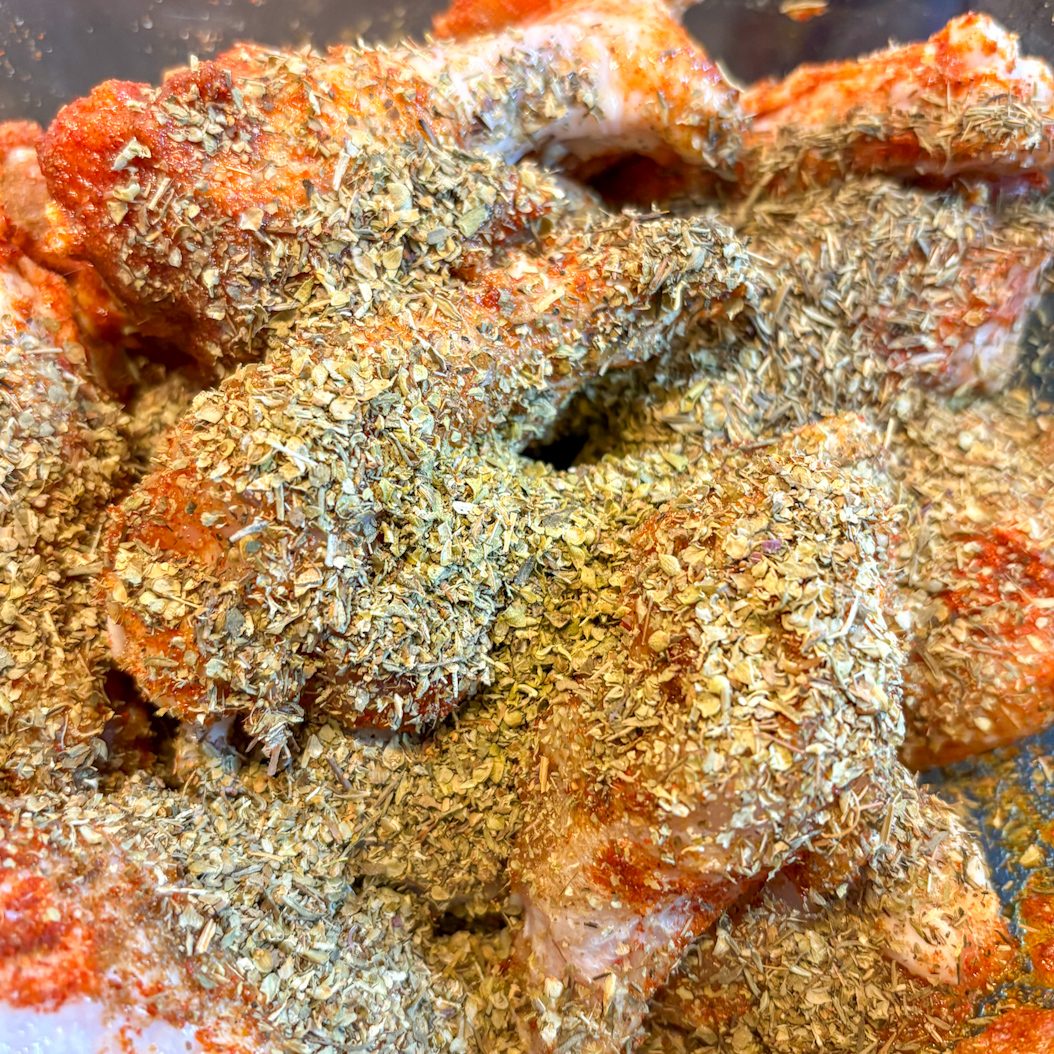
- Step 3: Add the thyme, garlic, oregano, cayenne pepper, white pepper, black pepper and baking powder, and mix again. Pour over the olive oil and give it a final turn — the wings should look glossy and evenly red-brown, with no dry patches of powder sitting on the surface.
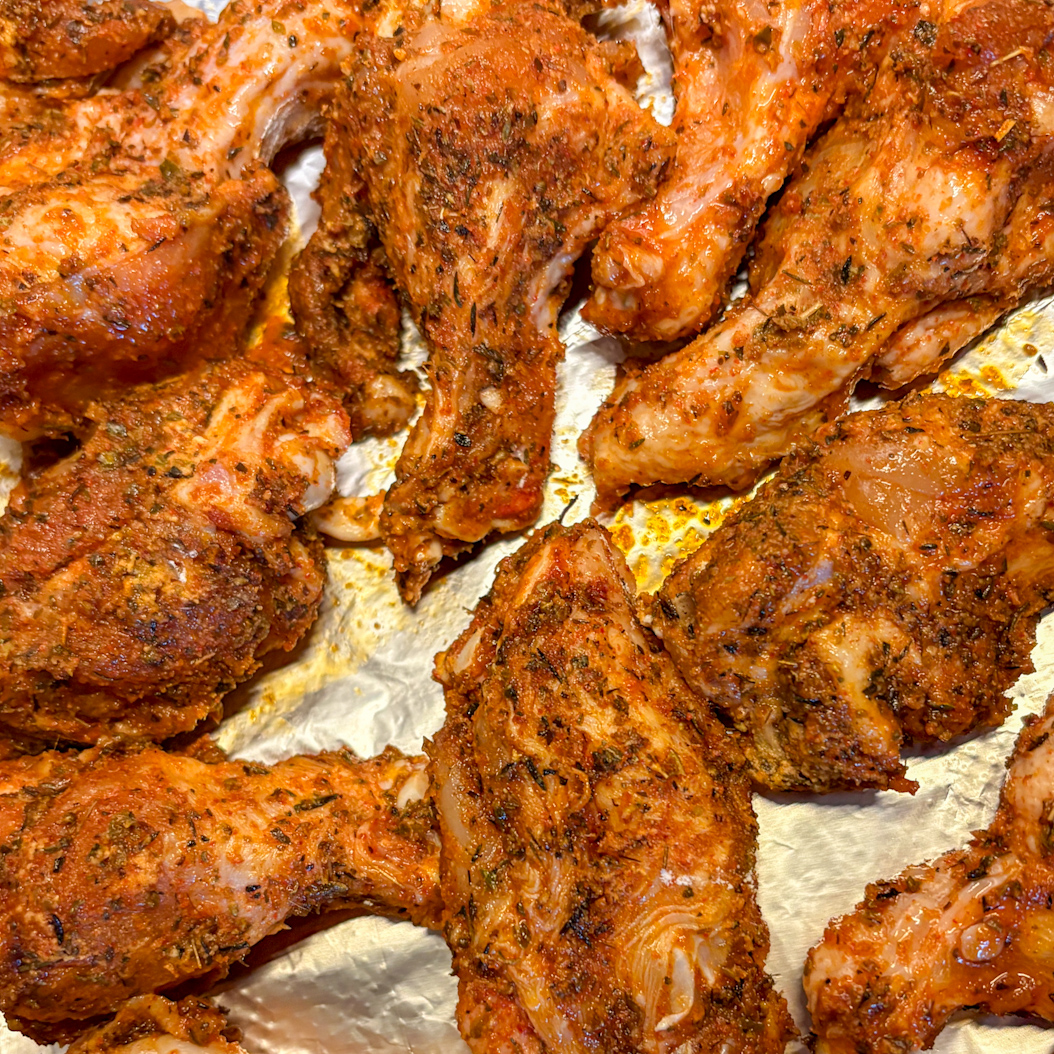
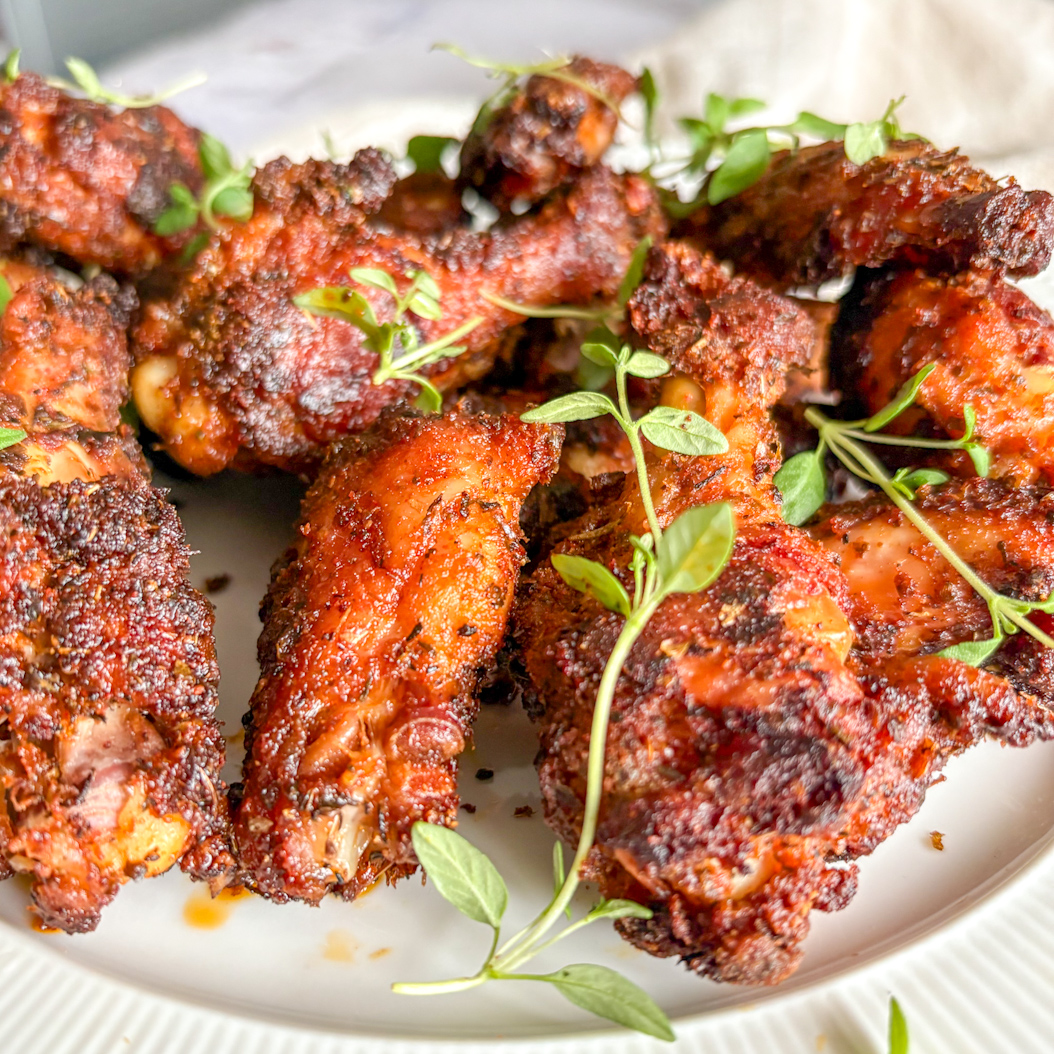
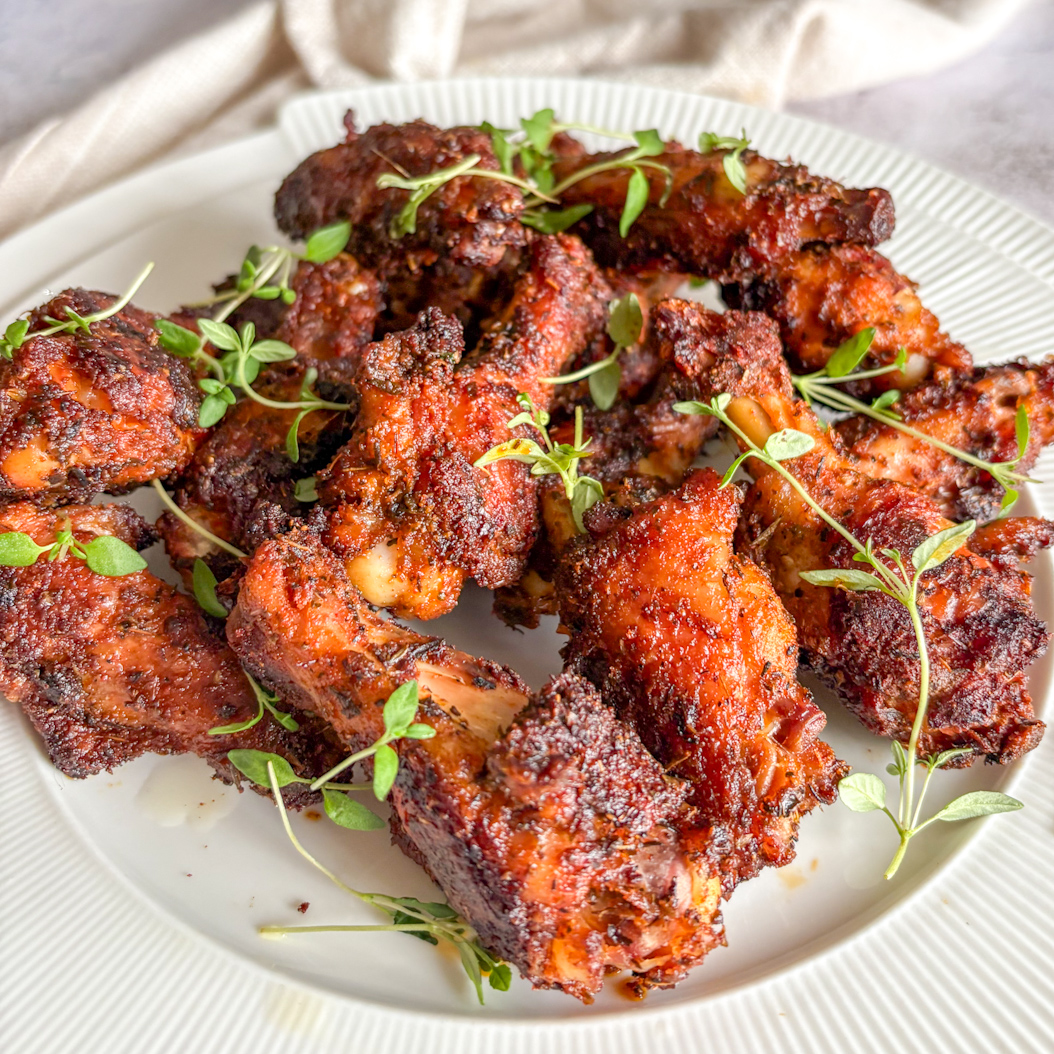
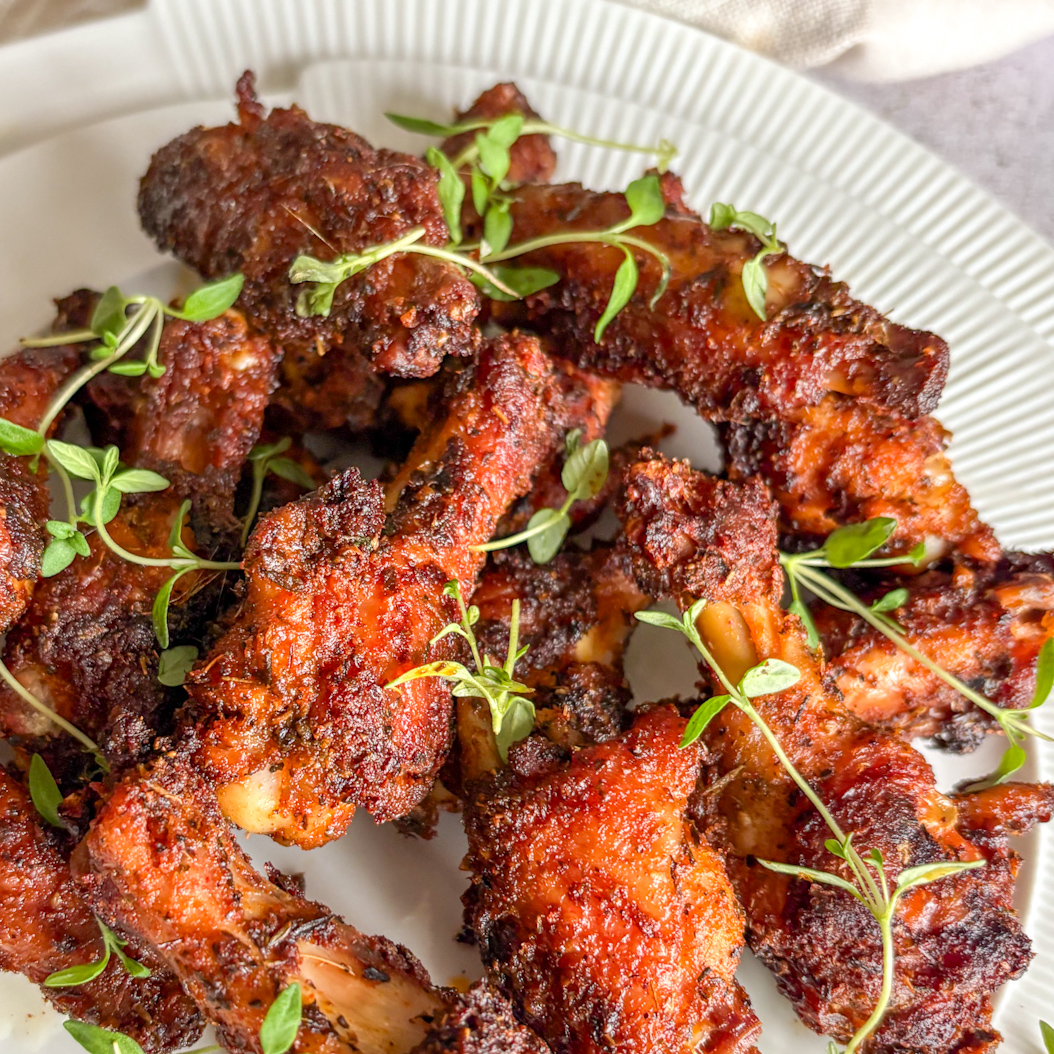
- Step 4: Spread the wings across the lined tray in a single layer, leaving a gap between each piece so they roast instead of steaming. Bake for 20 minutes, flip each wing, then bake for a further 15–20 minutes until the skin is golden and crisp and the meat pulls easily from the bone. Let them rest for 3 minutes, then serve.
How to Serve and Store Creole Chicken Wings
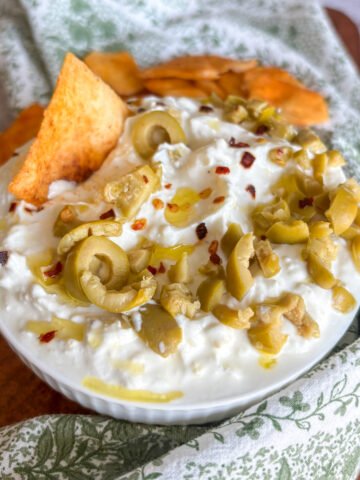
Creole Chicken Wings are best eaten within a few minutes of leaving the oven, while the skin is still tight and the spices are at their most aromatic. I serve them with something cool and something starchy — a sharp slaw, buttered corn, ranch or a lemony yoghurt dip, and either baked mac and cheese or plain rice to soak up the heat. Cold beer or a soft drink with plenty of ice works better than wine here, because the cayenne and white pepper build as you eat.
Leftovers should be cooled completely, then kept in an airtight container in the fridge for up to three days. To bring back the crunch, reheat in the oven or air fryer at 180°C (350°F) for 8–10 minutes rather than the microwave, which softens the skin immediately. Cooked Creole Chicken Wings also freeze reasonably well for a month, though the skin never returns to quite the same texture — if you know you are batch cooking, freeze the wings raw in the rub instead and bake them from defrosted.
More Easy Chicken Wing Recipes You Might Enjoy
Wings are the thing I make most often, and the spice mix is the only part that really changes.
If you want something darker and stickier, try my Guinness Chicken Wings — a smoky dry rub finished with a reduced Guinness glaze that turns properly sticky in the oven.
For a gentler, more aromatic version, there is my Peppercorn and Coriander Chicken Wings — cracked peppercorns and toasted coriander seed instead of chilli heat.
When the cupboard is looking thin, these Easy Pantry Staples Chicken Wings — built entirely from basic dried seasonings you already own.
And if you fancy something warm and slightly sweet, have a look at my Five Spice Chicken Wings — star anise, cinnamon and fennel against crisp baked skin.
How Much Do Creole Chicken Wings Cost to Make?
Wings are one of the cheapest cuts on the bird, which is the main reason this recipe is such good value. The figures below are approximate whole-dish costs based on 1 kg of wings serving four people, counting only the portion of each spice actually used rather than the full jar.
- In the UK, a kilo of chicken wings runs around £3.50–£4.50, and the spices, oil and baking powder add roughly £1.00, giving about £5.20 for the tray, or £1.30 a serving. Wings are stocked everywhere from Tesco and Sainsbury's to Aldi and Lidl, and butcher counters often sell them cheaper by the kilo.
- In Ireland, the same tray costs closer to €7.50, or €1.90 a serving, with Dunnes, SuperValu, Lidl and Tesco Ireland all carrying wings, though local butchers tend to have better sized ones.
- Over in the USA, where these Creole Chicken Wings come from, wings are more of a premium item at roughly $4 a pound, so the dish lands around $10.50 total, or $2.60 a serving — Walmart, Kroger and Costco are the cheapest routes, and Costco is the obvious choice for party quantities.
- In Australia, expect about A$13 for the tray, or A$3.25 a serving, with Woolworths, Coles and Aldi all selling wings by the kilo.
- And in France, where the Creole spice tradition has some of its roots, a kilo of ailes de poulet costs around €6–7, so the finished dish is about €8.50, or €2.10 a serving, from Carrefour, Leclerc, Intermarché or any decent boucherie.
Whichever country you are in, Creole Chicken Wings work out cheaper per head than almost any other party food, and the spice blend costs pennies once the jars are in the cupboard.
Tips and Notes for Perfect Creole Chicken Wings
- Dry the skin properly, then dry it again. Kitchen paper gets the surface water off, but the skin holds more moisture than you would expect. If you have time, spread the seasoned wings on a rack and leave them uncovered in the fridge for two to four hours before baking. The cold air pulls out more moisture and the finished Creole Chicken Wings come out noticeably crisper.
- Take the wings out of the fridge twenty minutes before they go in the oven. Fridge-cold chicken drops the oven temperature the moment the tray goes in, and the wings spend their first ten minutes catching up rather than browning. Room-temperature wings start crisping almost straight away. This also means the seasoning sits closer to the surface rather than sweating off. Twenty minutes is enough — do not leave raw chicken out for longer.
- Do not add extra salt. Two tablespoons of celery salt is already carrying the seasoning for a whole kilo of chicken, and it is easy to forget that celery salt is mostly salt. Taste one wing before you reach for the salt cellar. If you swap in plain celery seed instead, you will need to add around a teaspoon and a half of fine salt to compensate.
- Mix with your hands, not a spoon. A spoon pushes the rub around the outside of the bowl and leaves the wings patchy. Hands let you feel which pieces are still bare and press the spices into the folds of skin where they stick. Wear a pair of gloves if you would rather not have stained fingers. Rinse the bowl straight after so the oil and spice do not set.
- Use the upper third of the oven. Heat rises, and the top shelf gives you faster browning on the skin side without overcooking the meat. If your oven runs hot at the back, rotate the tray when you flip the wings. Fan ovens are more even, so 180°C fan is the right conversion rather than the full 200°C. Ovens vary enough that the visual cue — deep golden, blistered skin — matters more than the clock.
- Make a double batch of the rub. All the dry ingredients keep perfectly in a sealed jar for months, so mixing twice the quantity costs you nothing in effort. Label it with the date and leave the baking powder out of the stored version, adding that fresh each time, since it loses potency once mixed with salt. Having the blend ready turns this into a fifteen-minute decision on a weeknight.
- Cook to temperature, not just to time. Wings are safe at 74°C in the thickest part of the drummette, but they are better at 80–85°C, where the connective tissue has broken down and the meat comes away cleanly. An instant-read thermometer takes the guesswork out entirely. If you do not have one, pierce a drummette at the joint — the juices should run completely clear with no pink at the bone.
- Let them sit for three minutes, no longer. Straight out of the oven the skin is very hot and the fat is still liquid; a couple of minutes on the tray lets it set into a proper crust. Leave them much longer and steam trapped underneath starts to soften the base. Never pile hot wings into a bowl to rest, because the ones at the bottom go limp. Move them to a warm serving plate in a single layer instead.
Creole Chicken Wings FAQ
What is Creole seasoning actually made of?
Creole seasoning is a Louisiana blend built on paprika, garlic, onion, black and white pepper, cayenne and dried herbs, usually thyme and oregano. Celery salt or celery seed is the detail that separates it from a generic barbecue rub. Shop-bought versions vary hugely in salt content, which is why mixing your own gives you far more control.
What is the difference between Creole and Cajun wings?
Both come from Louisiana, but Creole cooking developed in New Orleans with French, Spanish and African influences and leans towards layered herbs and more complex spice blends. Cajun cooking is rustic country food, generally hotter, smokier and simpler in its seasoning. These wings sit firmly on the Creole side — fragrant first, hot second.
How spicy are Creole Chicken Wings?
With one teaspoon of cayenne across a kilo of wings, they are warm rather than fiery — most adults would call them mildly spicy. The heat comes from three peppers working together, so it builds gradually instead of hitting immediately. Halve the cayenne for children, or double it if you want them properly hot.
Can I make these in an air fryer?
Yes, and the results are excellent. Cook at 190°C for 20–24 minutes, shaking the basket twice, and work in batches so the wings sit in a single layer with space around them. Air fryers run hotter than their dial suggests, so check at the 18-minute mark the first time.
Do the wings need to marinate first?
No marinating is required, and the recipe works perfectly if you season and bake straight away. That said, leaving the seasoned wings uncovered in the fridge for a few hours acts as a dry brine and improves both flavour and crispness. Anything beyond twelve hours starts to make the texture slightly dense.
Can I use frozen chicken wings?
Defrost them fully in the fridge first, then pat them very dry — frozen wings release a surprising amount of water. Baking from frozen will steam the wings rather than crisp them, no matter how much baking powder is in the rub. Defrosted wings often need an extra minute or two of drying compared with fresh.
Why did my wings not go crispy?
The three usual causes are wet skin, an overcrowded tray, or an oven that was not fully preheated. Wings need visible gaps between them so moisture can escape rather than collecting as steam. If your tray is small, split the batch across two trays or cook in two rounds.
Can I use baking soda instead of baking powder?
No — this is the one substitution that will ruin the dish. Bicarbonate of soda is far more alkaline and leaves a soapy, metallic taste on the meat. Baking powder contains an acid that neutralises it, which is exactly why it crisps the skin without affecting the flavour.
Are Creole Chicken Wings gluten free?
Every ingredient in this recipe is naturally gluten free, including the baking powder in most brands. The thing to check is your celery salt and paprika, as some blends use anti-caking agents or fillers derived from wheat. Read the label if you are cooking for someone coeliac.
Related
Looking for other recipes like this? Try these:

Pairing
These are my favorite dishes to serve with Creole Chicken Wings:
Creole Chicken Wings
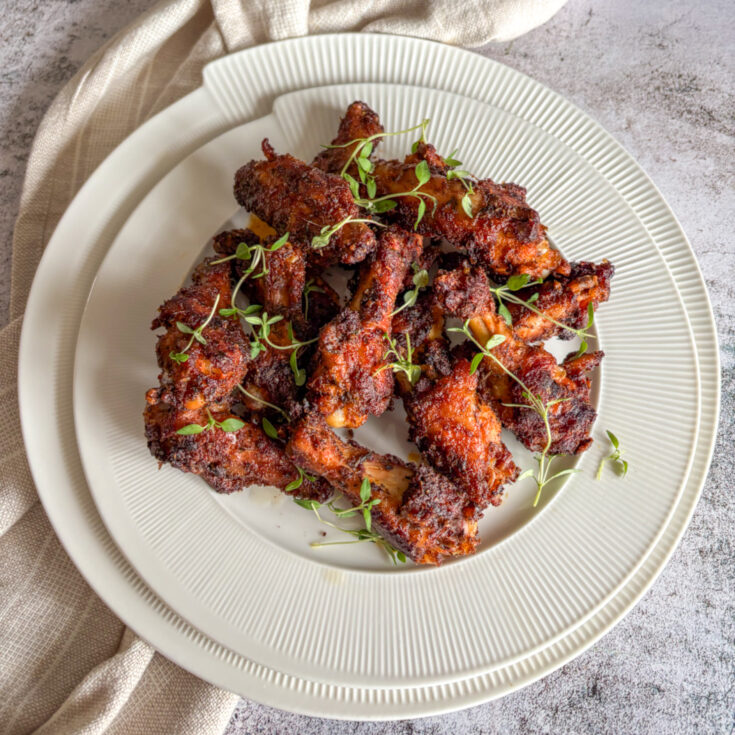
Creole Chicken Wings are coated in a bold southern rub of paprika, celery salt, thyme and three peppers, then baked until the skin turns golden and crackly. Baking powder does the work that deep frying usually would, so there is no oil and no mess. Ready in under an hour with one bowl and one tray.
Ingredients
- 1 kg chicken wings (2 lb 4 oz), pre-cut into parts
- 2 tablespoons onion powder
- 2 tablespoons celery salt
- 2 tablespoons paprika
- 2 tablespoons baking powder
- 2 tablespoons garlic powder, or 3–4 cloves minced garlic
- 2 teaspoons dried thyme
- 2 teaspoons dried oregano
- 1 teaspoon cayenne pepper
- 1 teaspoon white pepper
- 1 teaspoon black pepper
- 2 tablespoons olive oil (30 ml)
Instructions
Step 1: Preheat the oven to 200°C (400°F), or 180°C for a fan oven. Pat the chicken wings dry with kitchen paper and separate them into drummettes and flats, discarding the tips if needed. Line a large baking tray with parchment paper or foil.
Step 2: Place the chicken wings in a large bowl. Add the onion powder, celery salt and paprika, and mix thoroughly so each wing is coated. Then add the thyme, garlic, oregano, cayenne pepper, white pepper, black pepper and baking powder, and mix again to combine well.
Step 3: Add the olive oil to the wings and mix once more, until everything is evenly coated and glossy with no dry powder left on the surface.
Step 4: Arrange the chicken wings on the baking tray in a single layer, leaving space between each piece. Bake for 20 minutes, flip the wings, then bake for another 15–20 minutes until golden, crisp and cooked through. Serve hot.
Notes
- Patting the wings completely dry before seasoning is the single biggest factor in how crisp they turn out, because surface moisture turns to steam and softens the skin before it can brown.
- Use baking powder, never bicarbonate of soda. Baking powder raises the pH of the skin so it browns and crisps, while bicarbonate of soda leaves a metallic, soapy taste behind.
- For an even crisper finish, set a wire rack inside the lined tray and bake the wings on top of it. Air circulates underneath and you can skip the halfway flip.
- Celery salt supplies all the salt in this recipe, so taste before adding any more. If you only have celery seed, add about 1½ teaspoons of fine salt as well.
- The dry spices can be mixed in advance and stored in a sealed jar for up to three months. Add the baking powder fresh on the day, as it loses strength once it sits with salt.